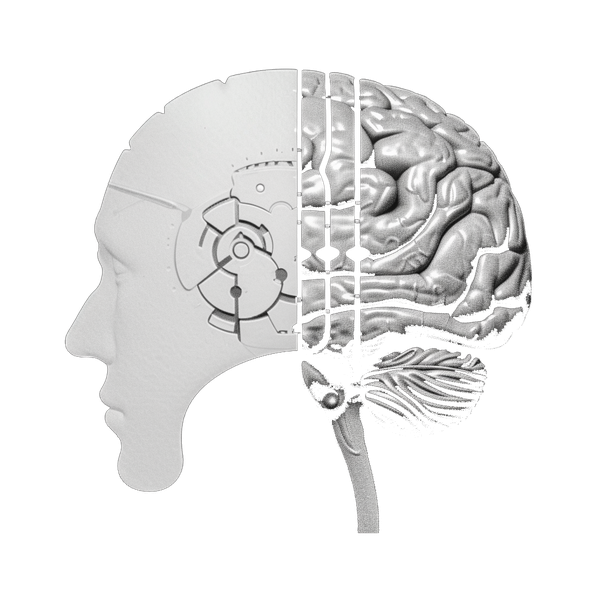

The Machine must always serve the Human Being. Defending our right to supremacy must be one of the main goals of the 21st century.
As the Technohumanist manifesto states, Big Data, Bio-Pharma-Genetics, the Internet of Everything, Artificial Intelligence and Extended Reality may well change us completely. We will soon be TransHuman and, beyond the Technological Singularity, possibly PostHuman.
But to what extent should we use Technology to perfect human beings? Given the extraordinary advances brought by the Fourth Industrial Revolution, we have to find an answer to this question.
Human enhancement aims to increase human capabilities beyond levels that until now were considered normal. For example, many professionals, students and academics in the United States and China take substances such as Adderall for their cognitive development in order to gain a competitive advantage («SMART PILLS»). From Europe we look on in amazement at the high performance of these countries, without understanding that caffeine is no longer enough to face everyday life in a society that is ever more demanding in terms of human productivity.
Among the goals of Science and Technology is to boost basic human abilities in order to increase or adjust cognition, mood, personality and physical performance, and to control the biological processes underlying normal aging. It is an increasingly feasible evolution, and it will inexorably take us beyond the limits of human nature.
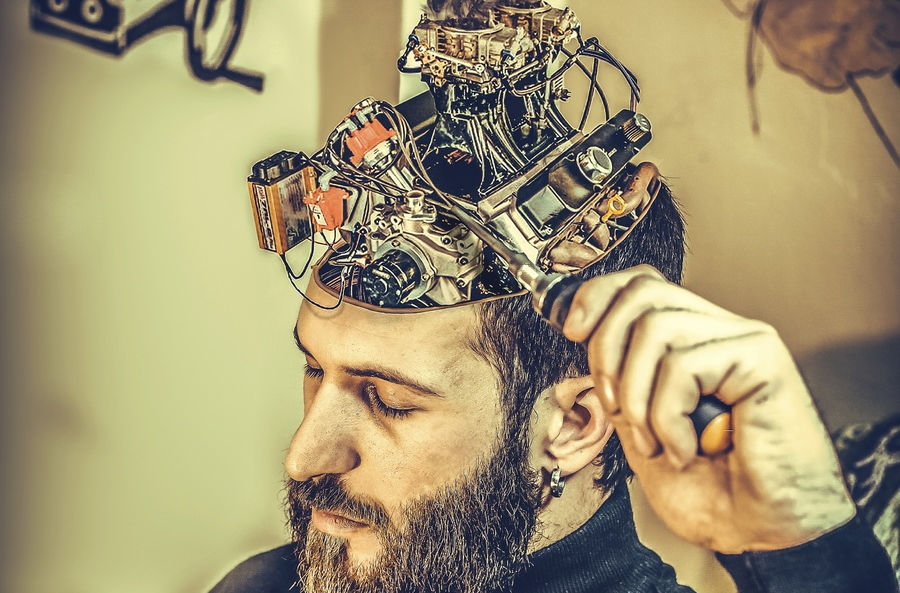
We are already immersed in the Second Cognitive Revolution, characterized mainly by opening hidden horizons, such as the discovery of unknown mental states and the achievement, dreamed of for so many centuries, of attaining immortality. That is why some world-renowned transhumanists such as Ray Kurzweil go so far as to claim that the first immortal superhumans are walking among us today.
On the other hand, Artificial Intelligence is plunging us headlong into the Second Machine Age, which will bring about the most important transformation of social, labor, economic and political organization ever known. It is estimated that around 2025 Artificial Intelligence will have been massively incorporated into the business structure, and to a greater or lesser extent the machine will help in every process of the value chain, in what until now was the irreplaceable stronghold of the human being, reasoning and decision-making.
It is very likely that the Human Being will end up hybridizing with the Machine, in a TransHuman process known as Cyborgization, which means that human enhancement will no longer include only advances in BioTechnology, but that we will also be empowered by modules and systems based on Artificial Intelligence and most likely BioImplanted. If this possible future arrives, it will be crucial that we have prepared ourselves in matters of regulation and legislation to guarantee human supremacy and the dominion of our mind over technological add-ons. The question is whether we are doing it right.
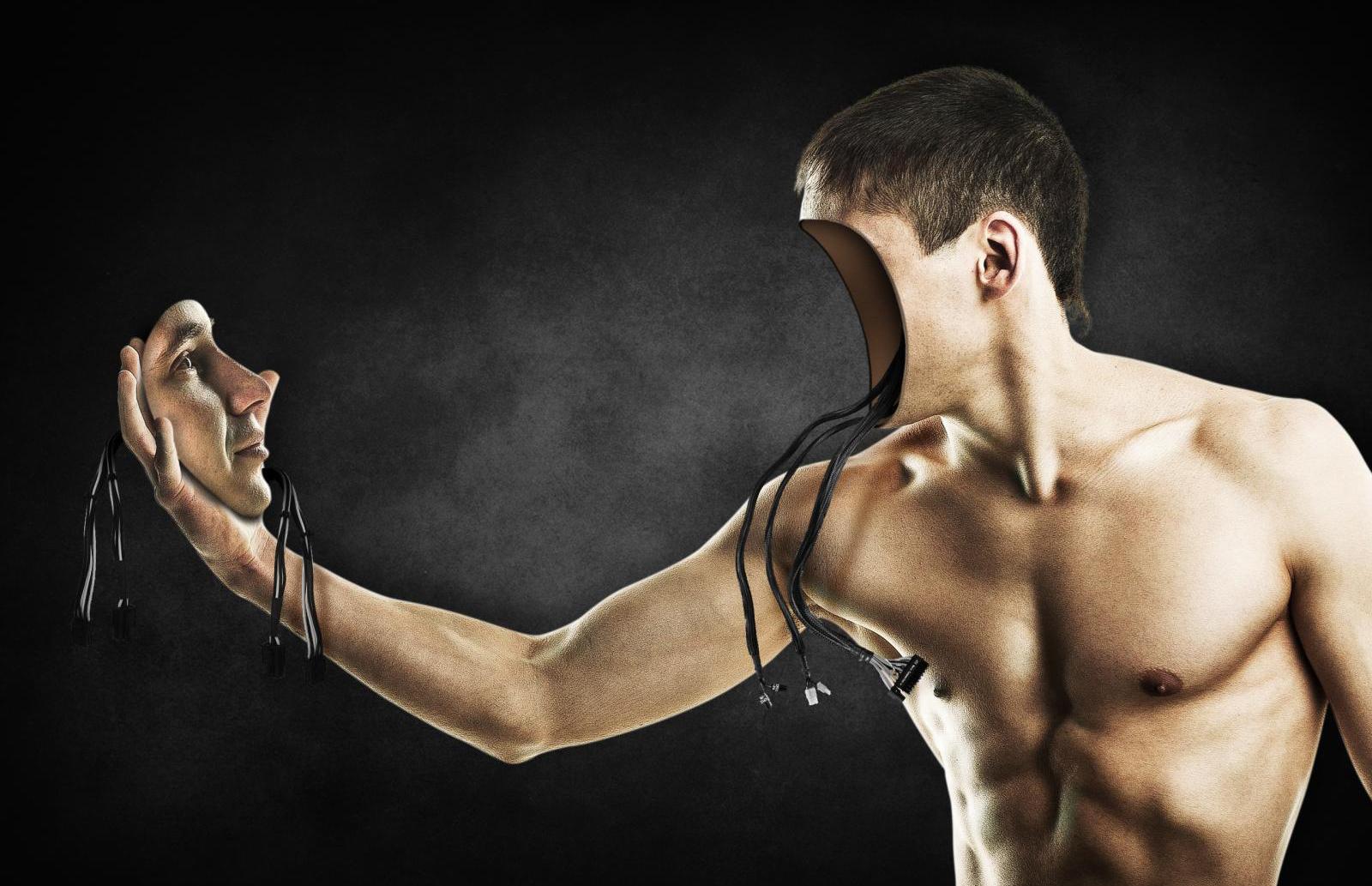
Although it will be decades before humanity lives alongside machines as intelligent as people, we are in a race against time: we must find ethical guidelines before technology catches up with us. Many challenges loom on the horizon, such as what Professor Jürgen Schmidhuber prophesies about intelligent robot factories in outer space, or what the physicist and director of the Future of Life Institute, Max Tegmark, foresees regarding a possible totalitarian state of control dominated by AI; and although the TechnoPhilosopher Thomas Metzinger also warns of an arms race whose main technology would be Artificial Intelligence, he also predicts that Europe can be a pioneer at the threshold of this new Technological Era if it develops a binding international code of ethics.
And that is what it is doing. This year, 2020, the European Union, through a committee of 55 experts, has issued a set of guidelines for the development of trustworthy, robust and responsible Artificial Intelligence. They are 7 principles that any AI-based system should meet, with which the aim is to achieve our supremacy, or at least to guarantee a safe context through a first approximation to what the implementation of an ethics for machines would be. But the road is long and there is still much work to be done, since this first initiative is still far from achieving its goals. All the more so since the expert committee included 35 technologists versus only 5 philosophers.
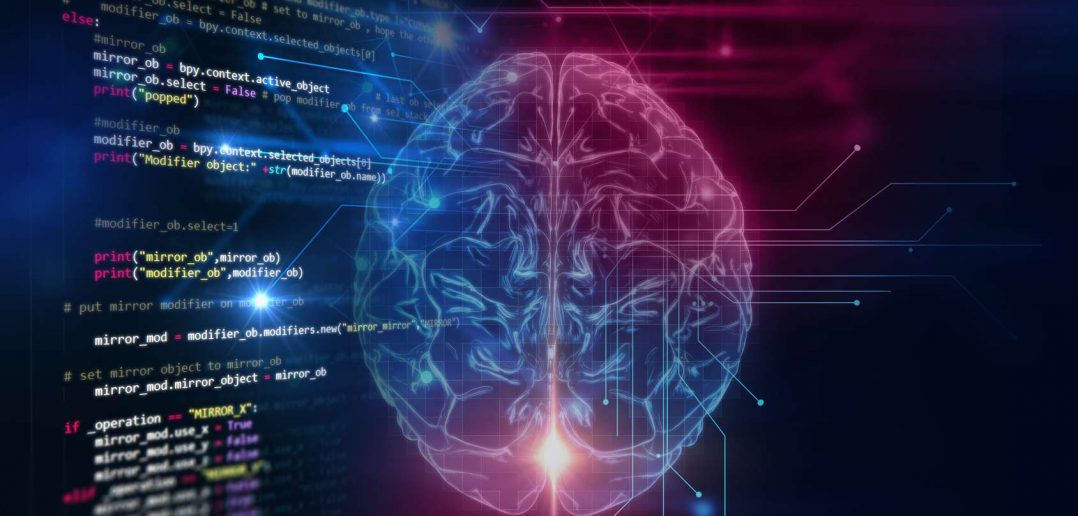
These trends and the great possibilities that may arise in the future raise momentous ethical questions. That is why it is so important to establish first a new TechnoEthics for people. An intense public debate is under way, becoming the central topic of conversation where practical ethics is concerned. Should we side with the Bioconservatives and renounce any BioTechnological intervention aimed at enhancing human abilities? Or should we support the TransHumanists and welcome new opportunities? Or is it possible to find a middle ground?
Whatever path we take to transform ourselves and overcome the limits of our own nature, we should never lose control over our own tools. Technohumanism postulates that the Machine must always serve the Human Being. Defending the right to our supremacy must be one of the main goals of the 21st century.
Originally published in Spanish on IANética (2020). English version prepared for TecnoHumanismo.
Related articles
The Right to Technology
The information society keeps transforming our world. To leave no one excluded, we must guarantee the fundamental right to Technology.
Read article →4 min
The Right to the Integrity of Being in the Age of Neurotechnology and Cyborgization
Neurotechnology and cyborgization promise advances in medicine and communication, but raise ethical challenges for autonomy, privacy and human integrity.
Read article →6 min

The Right to Digital Security and Ethical Hacking
Digital security is deeply tied to people: how online behaviour and information security are regulated has major implications for privacy and human rights.
Read article →7 min