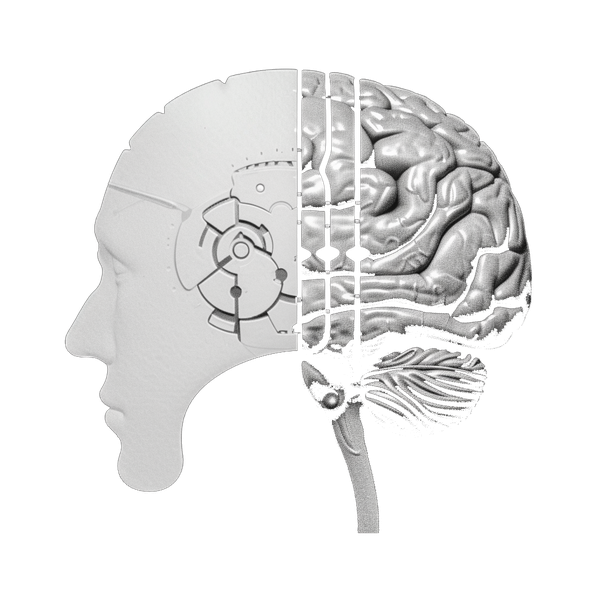

In a world where neurotechnology and cyborgization are emerging as imminent realities, it is crucial to address the right to the integrity of the human being. This new technological era promises unprecedented advances in medicine, communication and human interaction. However, significant ethical challenges emerge with these advances, especially with regard to personal autonomy and privacy.
The integrity of being in the face of technological modification is a complex, multifaceted issue. Neurotechnology and cyborgization, as they become integrated into our body and mind, have the potential to profoundly alter our perception of identity and personal integrity. These technologies can offer significant benefits, such as improvements in health and augmented capabilities, allowing individuals to overcome physical and cognitive limitations. However, important ethical and practical concerns arise. The possibility that technology could influence or even control our decisions and actions raises questions about autonomy and free will. Dependence on technology, vulnerability to technological failures and privacy risks are also crucial aspects. It is therefore essential to examine how these innovations can be implemented and regulated to ensure that they enrich the human experience without compromising our essence and individual autonomy.
ETHICAL AND PHILOSOPHICAL ASPECTS
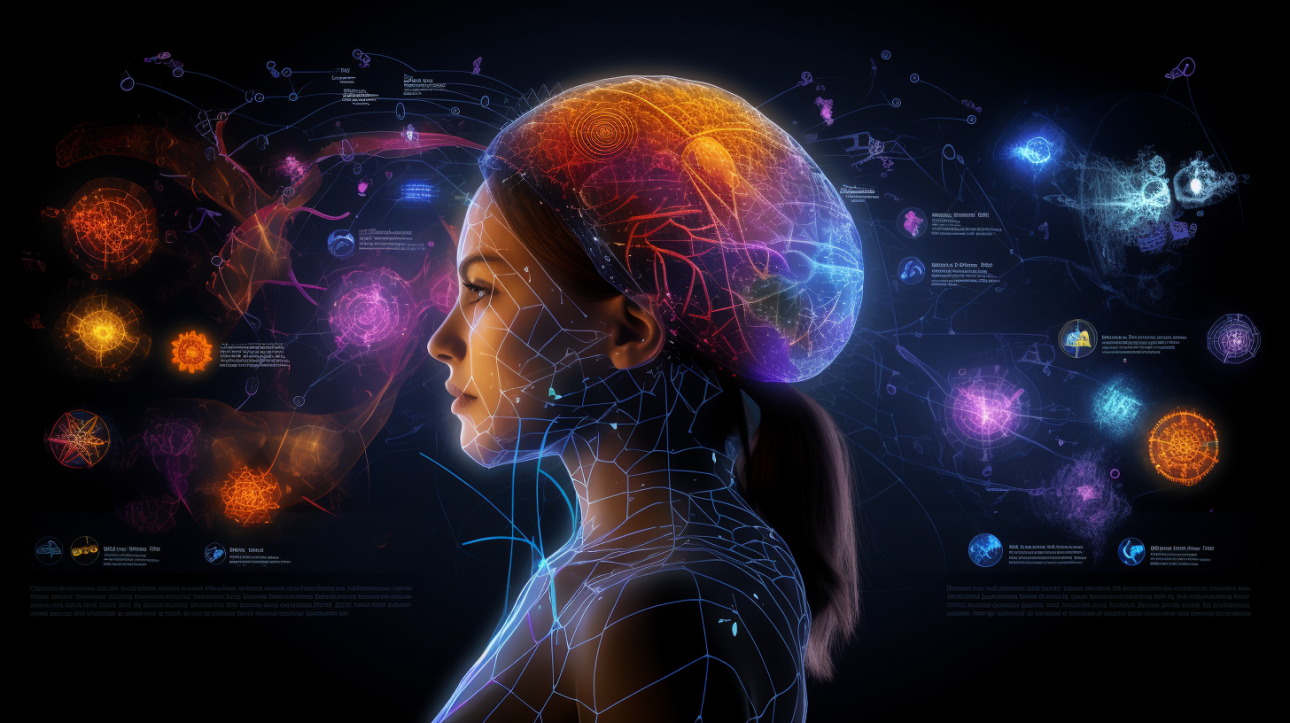
The ethical and philosophical aspects of altering human nature through technology form an intensely complex and fundamental field of debate. The integration of neurotechnology and cyborgization into our lives not only redefines what it means to be human, but also confronts us with unprecedented questions about the ethics of such changes. One of the central dilemmas is the integrity of the human being: how we can balance technological advances that offer significant improvements in quality of life with the need to preserve individual essence and autonomy. The alteration of our biology and psychology through technological means pushes us to reconsider fundamental concepts such as identity, free will and morality. The possibility of improving or altering our cognitive and physical capabilities with invasive technologies not only expands the limits of what is possible, but also raises questions about what is desirable or ethical.
Moreover, the integration of technology into the human being carries profound philosophical implications. We are forced to reflect on which aspects of our humanity we are willing to modify or improve, and which must remain inviolable. This discussion extends beyond individual concerns to address the collective impact on society. How will these technologies affect social dynamics, equality and access to enhancements? The prospect of a future in which technology could potentially create unbridgeable gaps between the ‘enhanced’ and the ‘natural’ poses a scenario that requires careful consideration and robust ethical regulations. The challenge lies in how to incorporate these technological advances in ways that respect and strengthen our shared humanity, rather than undermining it. Ultimately, continuous dialogue and deep reflection are essential on how these developments may shape not only our bodies and minds, but also our values and societies.

REGULATION AND HUMAN RIGHTS
Regulation and the protection of human rights in the context of neurotechnology and cyborgization are matters of the utmost importance that require immediate and thorough attention. As we move toward an era in which the fusion of human biology with technology becomes a tangible reality, there is an urgent need to establish a solid legal and ethical framework. This framework must be designed to protect personal integrity and ensure that the adoption of these technologies is carried out ethically and responsibly. Government regulations play a crucial role in this area, as they have the potential to guide the development and implementation of neurotechnology and cyborg modifications in ways that respect human dignity, personal autonomy and fundamental rights. These regulations must address issues such as informed consent, privacy, data security and equity of access to these technologies. In addition, it is essential that these policies adapt and evolve continuously to keep pace with rapid technological advances, ensuring that the benefits of these innovations are accessible to everyone and not just to a privileged elite.
On the other hand, establishing a global ethical framework requires transnational and multidisciplinary collaboration. Ethics experts, legislators, scientists and representatives of civil society must work together to create rules that not only regulate the current use of these technologies, but also anticipate future developments and challenges. This collaborative approach ensures that regulations are inclusive, fair and capable of protecting individuals from possible abuse or harm. Likewise, it is essential to foster a broad and ongoing public debate on these issues, involving society in decision-making and in shaping a future where technology serves to improve human life without compromising our fundamental values and rights. Ultimately, creating a robust legal and ethical framework is not only a matter of protection, but also an opportunity to reflect on and reaffirm what we value as a society in the age of technological transformation.
FORGING A FUTURE WHERE TECHNOLOGY EMPOWERS HUMANITY: EDUCATION, ETHICS AND THE SEARCH FOR BALANCE
Education and public awareness are fundamental pillars for navigating effectively and ethically the age of neurotechnology and cyborgization. It is vital that society is not only informed about technological advances, but also that it deeply understands the implications these technologies have for our everyday life, our health, our identity and our values. Educational programmes must be designed to address not only how these technologies work and what they offer, but also the potential risks and ethical questions. Awareness campaigns must be inclusive and accessible, making sure they reach diverse groups in society. This is crucial for preparing people not only as potential users of these technologies, but also as informed and responsible citizens who can take an active part in the debate and in shaping policies related to neurotechnology and cyborgization. Education in this field must also foster the development of critical and ethical skills, preparing people to make informed and thoughtful decisions about how and when to use these technologies.
In this regard, it is essential to recognise the importance of balancing technological advances with the preservation of our integrity as human beings. While we embrace the possibilities that neurotechnology and cyborgization offer us, we must not lose sight of the fundamental human values that define our existence and social cohesion. This balance is delicate and requires continuous reflection and a collaborative effort. Technology must be seen not as an end in itself, but as a means of improving the quality of human life, always respecting individual dignity, autonomy and freedom. This balanced approach ensures that as we move toward a more technologically integrated future, we do not dehumanise our experience or sacrifice the essential aspects of our humanity.
In conclusion, as we navigate this new and exciting territory of technological possibilities, we must do so with a deep respect for fundamental human values. Building a sustainable and ethical technological future depends not only on scientific advances and innovation, but also on our collective capacity to reflect, adapt and make conscious decisions that respect and strengthen our humanity. Education, public awareness and a balanced approach are essential to ensure that as we adopt new technologies, we also preserve and enrich what makes us fundamentally human. Ultimately, the key lies in fostering an informed, ethical and empathetic society, capable of using technology to improve our lives without compromising what we value most deeply.
.
Originally published in Spanish on IANética (2023). English version prepared for TecnoHumanismo.
Related articles

Technohumanism, Resilience and Edadismo
Technohumanism, Resilience and Edadismo propose a balanced, reflective integration of technology into our lives, in harmony with digital tools.
Read article →5 min
The Right to Digital Identity
Digital identity is a user's data, actions, opinions, photos and digital footprint, plus what others publish about them. Security and privacy are key.
Read article →7 min

The Right to Uniqueness for the Best Possible Future
Uniqueness, the quality of being unique and unrepeatable, is at stake from human cloning to digital identity impersonation. Why we must protect it.
Read article →6 min