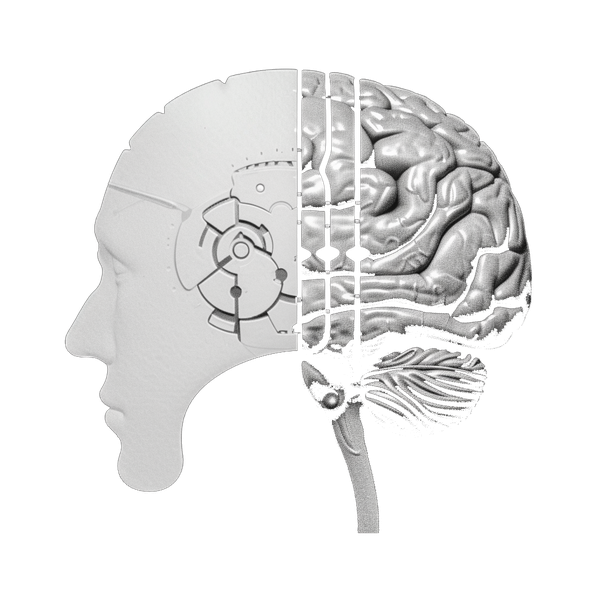

Throughout history, human beings have tirelessly explored the frontiers of knowledge and technology in search of answers and solutions to the enigmas that surround them. One of the most fascinating and controversial concepts to have emerged in this context is human uniqueness.
Uniqueness, understood as the quality of being unique, unrepeatable and singular, has been debated in many fields, from human cloning to the cloning or impersonation of digital identity. Technohumanism seeks debate between technologists and thinkers who are experts in technology, in order to carry out a deep analysis of these questions, exploring the ethical and philosophical implications that accompany these new realities.
Let us begin with human cloning, or bioclonation. Cloning, in essence, is the reproduction of an organism that is genetically identical to another. The possibility of creating exact copies of human beings has generated a deep ethical and philosophical debate. Those who oppose it argue that cloning attacks human uniqueness, since it involves the creation of individuals who are identical in appearance and, to a certain extent, in their genetic material. From a philosophical perspective, however, human uniqueness goes beyond mere genetic identity. Uniqueness resides in our consciousness, our subjectivity and our capacity to experience the world in a unique way. Even if two clones have the same set of genes, their experience and perception of the world will inevitably differ because of the environmental factors and social interactions that shape them.
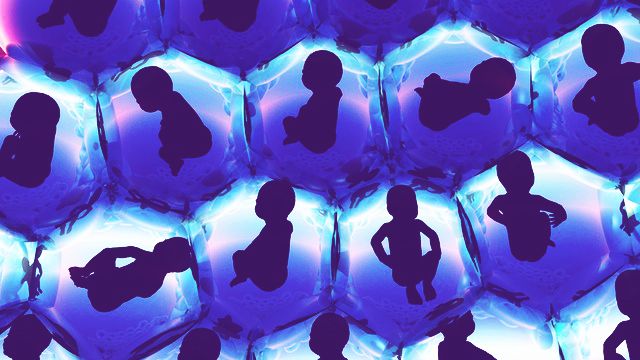
From this perspective, human cloning is not necessarily a threat to uniqueness, but an expansion of the possibilities of human existence. Cloning could be seen as a way of diversifying experience, allowing different versions of an individual to share the world and enrich the social and cultural fabric. Uniqueness, in this context, is not reduced to individuality but expands towards new forms of plurality. Nevertheless, when we enter the realm of the cloning or impersonation of digital identity, we face a series of even more complex challenges. In the age of digital technology, where our identities and activities are intertwined with the virtual world, the possibility of creating digital replicas of ourselves (DIGITAL BACKUPS OF OUR CONSCIOUSNESS) raises ethical and existential questions.
The idea of uploading a copy of a human being to the Internet, able to act autonomously, raises fundamental questions about uniqueness and identity. Could a digital version of ourselves be considered a unique, unrepeatable entity? What does it mean to be “authentic” in a digital context? Does uniqueness reside exclusively in physical existence, or can it also manifest in the virtual world? The concept of human uniqueness in the digital environment forces us to rethink the notions of identity and authenticity. If we consider that human uniqueness is based on consciousness and subjectivity, then it could be argued that a digital copy of an individual, although it lacks a physical body, can possess a unique identity by virtue of its capacity to experience and make decisions within the digital world.

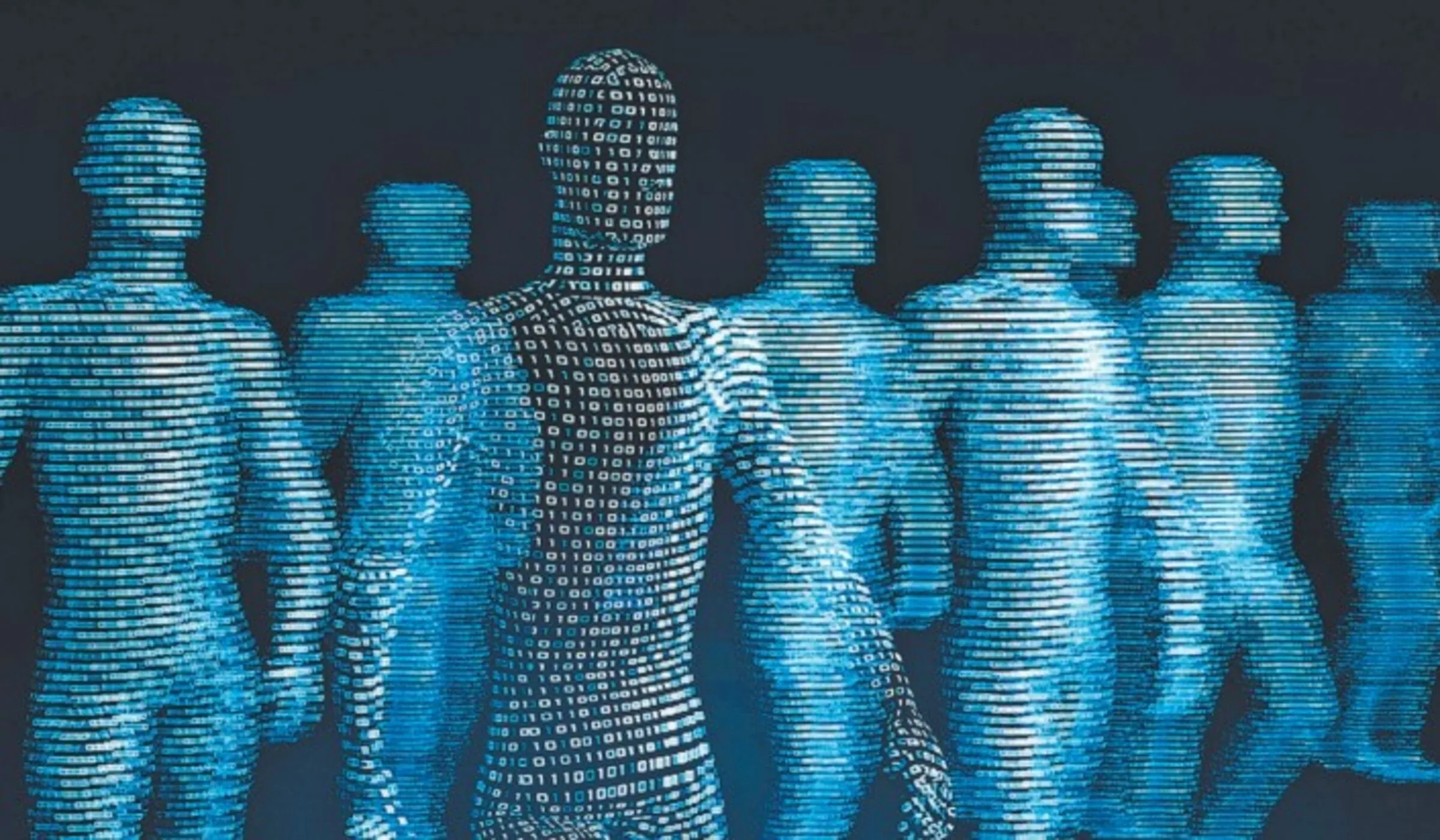
A PERSON’S UNIQUENESS WOULD DISSOLVE IN AN OCEAN OF DIGITAL COPIES DIRECTED BY ADVANCED ARTIFICIAL INTELLIGENCE
There are, however, important ethical concerns surrounding the cloning or impersonation of digital identity. The possibility of creating digital copies of people without their consent raises questions of privacy, autonomy and control over our own image and reputation. The usurpation of digital identity could lead to manipulation, fraud and a loss of trust in digital environments. Moreover, the existence of multiple digital copies of a person could undermine the notion of uniqueness and singularity in the virtual world. If every individual can have a digital version that acts autonomously, how is the distinction between the real and the virtual to be established? Would a person’s uniqueness dissolve in an ocean of digital copies directed by advanced artificial intelligence?
Ultimately, it is crucial to approach these dilemmas from an ethical perspective and to consider the impact these technologies may have on the dignity and value of the human person. Technology in itself is neither good nor bad; rather, its use and application determine its moral value. We must reflect on the ethical limits of cloning and of digital identity impersonation, and ensure that the rights and dignity of the individuals involved are respected.
The concept of human uniqueness, as the quality of being unique, unrepeatable and singular, faces challenges in the age of technology. Both human cloning and the cloning or impersonation of digital identity raise philosophical and ethical questions that call for deep reflection. Uniqueness should not be understood solely in terms of genetic material or physical existence, but also in terms of consciousness, subjectivity and experience. As a society, we must address these questions responsibly and ensure that the dignity of every individual is respected, in the physical world as well as the virtual one, so as to find a balance between technological progress and fundamental human values.
PROTECTING THE FUNDAMENTAL HUMAN RIGHT TO UNIQUENESS
Safeguarding uniqueness and preserving individual identity are critical matters in the age of digital technology. Given the potential risks of abuse and future dystopias, it is imperative that governments and laws recognise and protect the fundamental human right to uniqueness. First, governments must establish a clear and solid legal framework to regulate human cloning and the creation of digital identities. This legislation should address both the ethical aspects and the individual rights related to uniqueness. A rigorous process of informed consent must be established, and it must be guaranteed that human cloning and the creation of digital identities are carried out ethically and responsibly.
It is also essential to promote transparency and traceability in digital environments. Individuals must have the right to know when their digital identity is being used and for what purposes. Privacy and data protection policies must be strengthened to ensure that users are in control of their own personal information. Likewise, governments must invest in research and regulation that address digital security and the prevention of fraud and identity impersonation. Creating solid security standards and protocols will help protect people’s uniqueness and prevent the abuse of technology for malicious purposes.
[arve url=»https://www.youtube.com/watch?v=cXghhnwSW6U» /]
It is important to stress that education and public awareness play a crucial role in protecting uniqueness. Governments must encourage educational programmes that promote digital literacy and an understanding of the risks associated with human cloning and digital identity. This will enable people to make informed decisions and safeguard their uniqueness in an increasingly connected and technological world. Governments must also foster international collaboration in regulating and protecting uniqueness. Since technology knows no borders, global agreements and standards are essential to ensure the consistency and effectiveness of protective measures.
Ultimately, the recognition and protection of the human right to uniqueness must be an integral part of legislation and government policy. This will help avoid a dystopian future in which identities dissolve and people can no longer tell reality from copies. By safeguarding uniqueness, we preserve the very essence of what makes us human and guarantee a future in which technology and identity coexist in an ethical and harmonious way.
.
Originally published in Spanish on IANética (2023). English version prepared for TecnoHumanismo.
Related articles
The Right to Digital Identity
Digital identity is a user's data, actions, opinions, photos and digital footprint, plus what others publish about them. Security and privacy are key.
Read article →7 min
The Right to Digital Property
Do our concepts of digital and intellectual property still make sense, or have new forms of information, communication and expression changed them?
Read article →5 min
Ethics in the Metaverse
The Metaverse is still taking shape. Now is the time to discuss, alongside its technology, its necessary regulation and the ethical issues to consider.
Read article →11 min