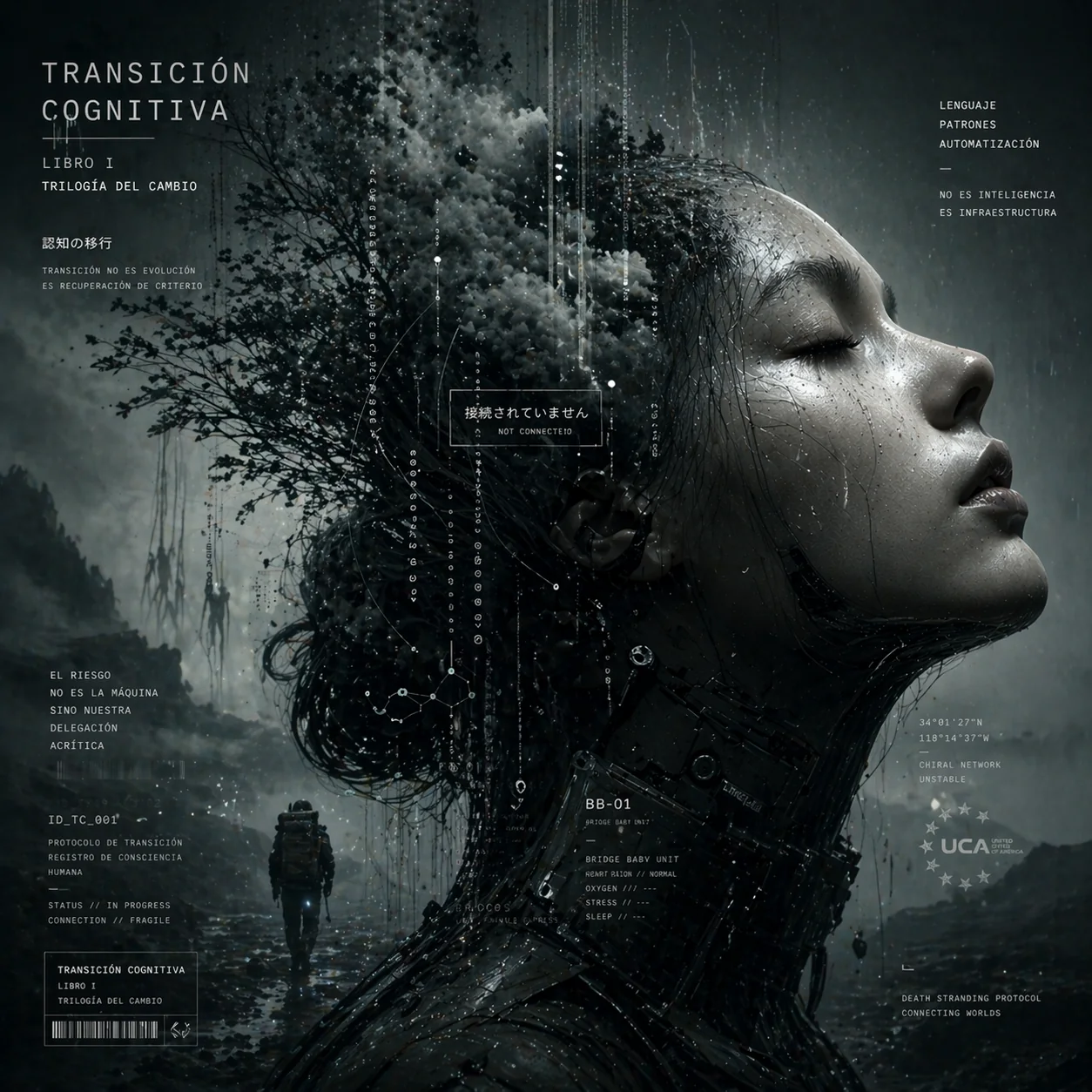
The Change Trilogy · Volume I · 2026
Cognitive Transition
How to Stay Relevant in the Age of AI
“Judgment, unlike talent, can be trained.”
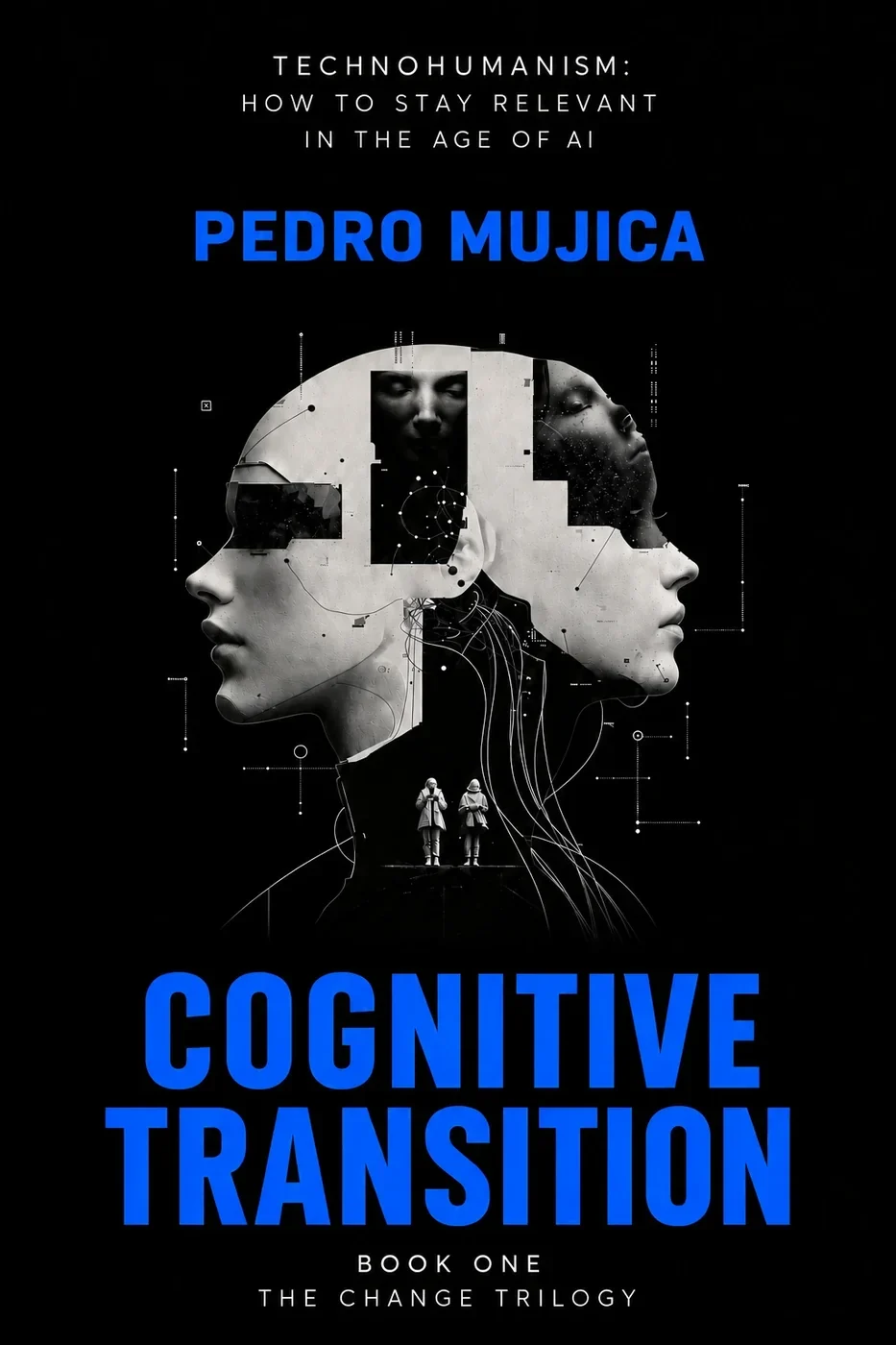
Artificial intelligence has made execution cheap. What is scarce, and what is worth something, is judgment: knowing what to ask for, what to accept and what not to delegate. A book by Pedro Mujica with eleven tools to get through the transition without outsourcing your judgment.
Coming soon on Amazon · Paperback and Kindle · The audiobook comes later, in the author’s own voice
The book
Five parts, eleven tools
One chapter per tool, chained together: each one solves what the previous one leaves open. Every section has its summary here and extended content that keeps growing.
Part I · chapters 1 and 2
Understanding the mismatch
What has really changed and what is still where it was. Why judgment becomes the scarce resource.
Part II · chapters 3 to 5
What AI really is
Cognition, intelligence and consciousness. What the machine does, what it does not, and the risks that can actually be verified.
Part III · chapters 6 and 7
Rebuilding your personal architecture
How to think better with AI at your side, and what makes a professional hard to replace.
Part IV · chapters 8 and 9
The structural context
Infrastructure, incentives and real limits. Work in transition, seen from each person’s desk.
Part V · chapters 10 and 11
Designing resilience
Personal AI governance and a fifteen-year resilience framework, with no drama and with structure.
Epilogue and closing apparatus
The name of the terrain
Anyone who can name what’s happening to them has already begun to govern it. And some questions for coming back to Monday.
Start here
Three ways into the book

Prologue
Judgment can be trained
Where the book starts and what it asks of you in exchange for the pages that follow.
Chapter 1
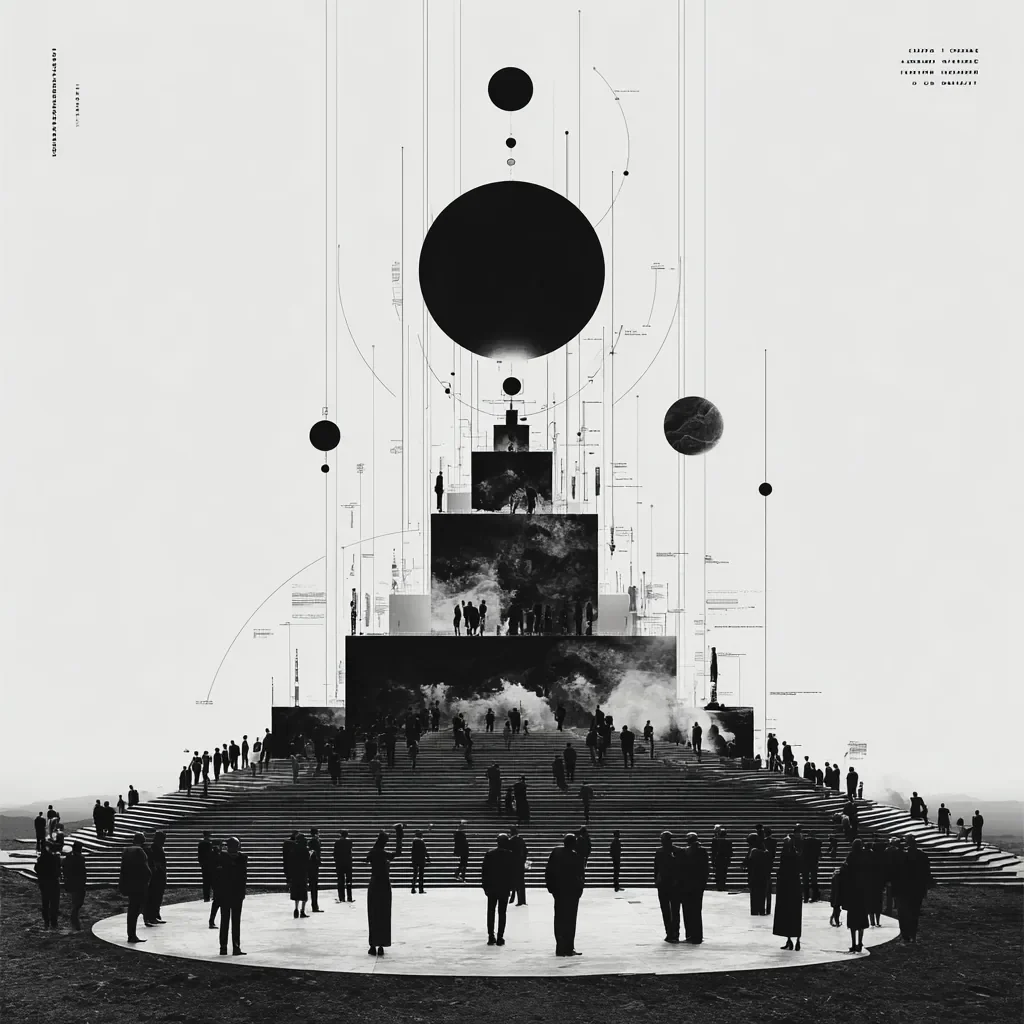
A Sense of Rupture
What is really going on, and the “Infrastructure vs. Judgment” matrix for placing your tasks.
Closing apparatus
Questions for Coming Back to Monday
The weekly rung: thirty seconds per question, as long as you don’t lie to yourself.
Three doors
Book · Manifesto · AI
Book · 2026
Cognitive Transition
How to stay relevant in the age of AI. Eleven tools, one per chapter, with extended content on this site.

Movement · 2020
Technohumanist Manifesto
The principles that keep technological progress at the service of human well-being.

Conversational AI
HUMANIA
The AI of TecnoHumanismo. It answers from the books and the pages of this site, with verified retrieval. Bottom-right corner.
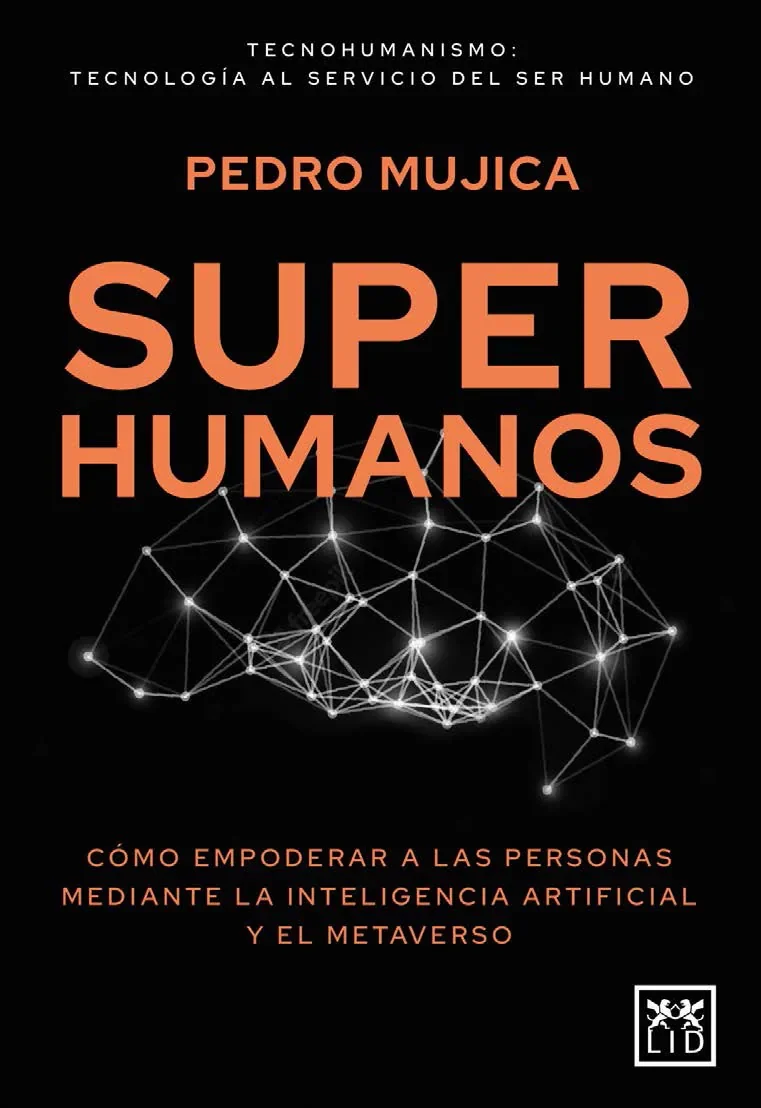
Before the transition · Pedro Mujica’s first technohumanist book
Superhumanos, the starting point
The book explores how technology can enhance human capabilities instead of replacing them. It rests on technohumanism: an ethical and balanced integration of artificial intelligence, automation and human development.
We are at a turning point where technology can amplify our cognitive, creative and emotional abilities. Instead of fearing automation or AI, we must learn to use them to improve our intelligence, productivity and well-being.
The book is currently published in Spanish (LID Editorial, 2025).

2020 · the birth of technohumanism
Pedro Mujica
In 2020 the researcher and communicator Pedro Mujica laid the foundations of the technohumanist movement. His vision took shape in the Technohumanist Manifesto and in the IANética project, which explores the impact of AI on society and promotes its responsible and equitable use.
Technohumanism seeks the harmonious integration of technology and humanity: technology as an extension of our capabilities, never as something that dehumanizes us.
Bridge book · 2026
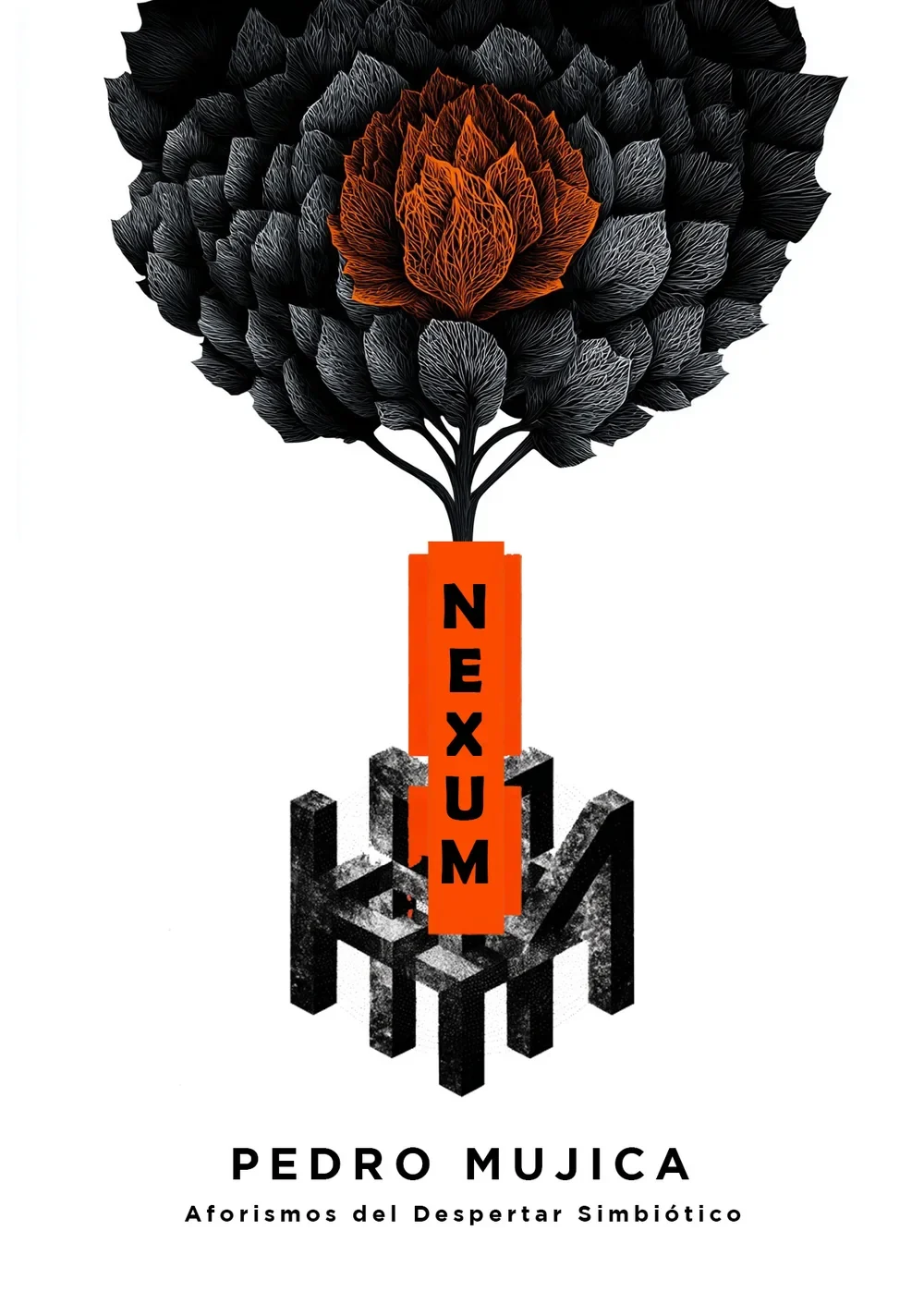
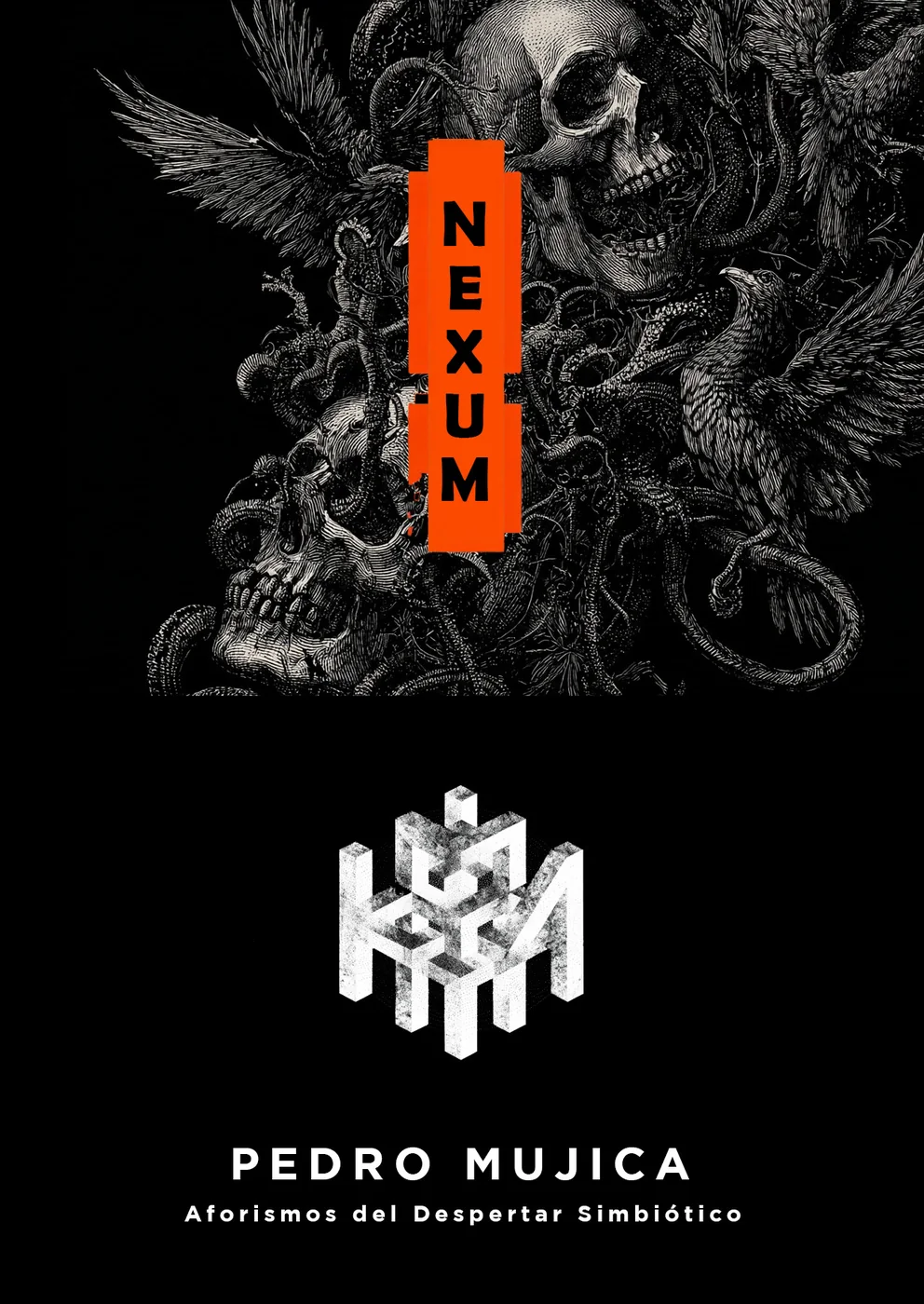
NEXUM
One hundred entries at three heights: sutra, aphorism and gloss. The distillation of Cognitive Transition, to read slowly and come back to.
Conversational AI
Talk to HUMANIA
The first artificial intelligence assistant specialized in technohumanism. It talks about Cognitive Transition, Superhumanos and the Technohumanist Manifesto, with clear, well-grounded answers; when something is not in its knowledge base, it says so. Press the button in the bottom-right corner.