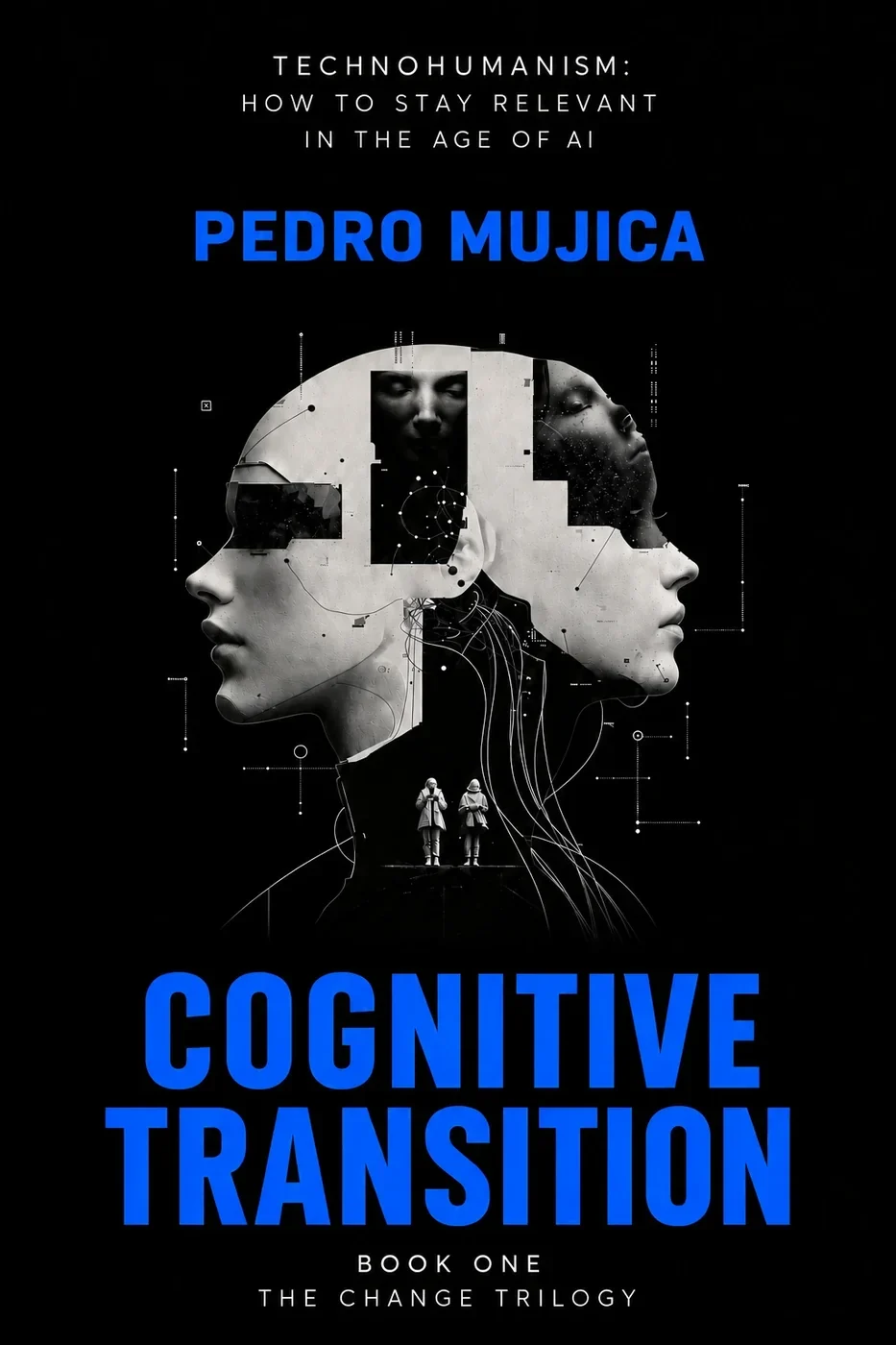
Book One · The Change Trilogy
Cognitive Transition
How to Stay Relevant in the Age of AI
A prologue, eleven chapters and an epilogue, with eleven tools to get through the transition without outsourcing your judgment. Every section has its summary here and extended content that keeps growing.
Contents
Chapters
A prologue, eleven chapters, an epilogue and the closing apparatus. Each with its illustration, its summary and its extended content.

Part I · Understanding the mismatch
1. A Sense of Rupture
“The bottleneck position is not a throne: it’s a press.”
Part I · Understanding the mismatch
2. The Judgment Crisis
“Nobody signed that handover. It happened.”
Part II · What AI really is
3. Cognition, Intelligence and Consciousness
“Human intelligence, when it doesn’t know, tends to hesitate. This one, when it doesn’t know, writes anyway.”
Part II · What AI really is
4. Real Capabilities
“The system optimizes for plausibility, not truth.”

Part III · Personal architecture
6. Thinking Better
“This isn’t a read-through. It’s an interrogation.”
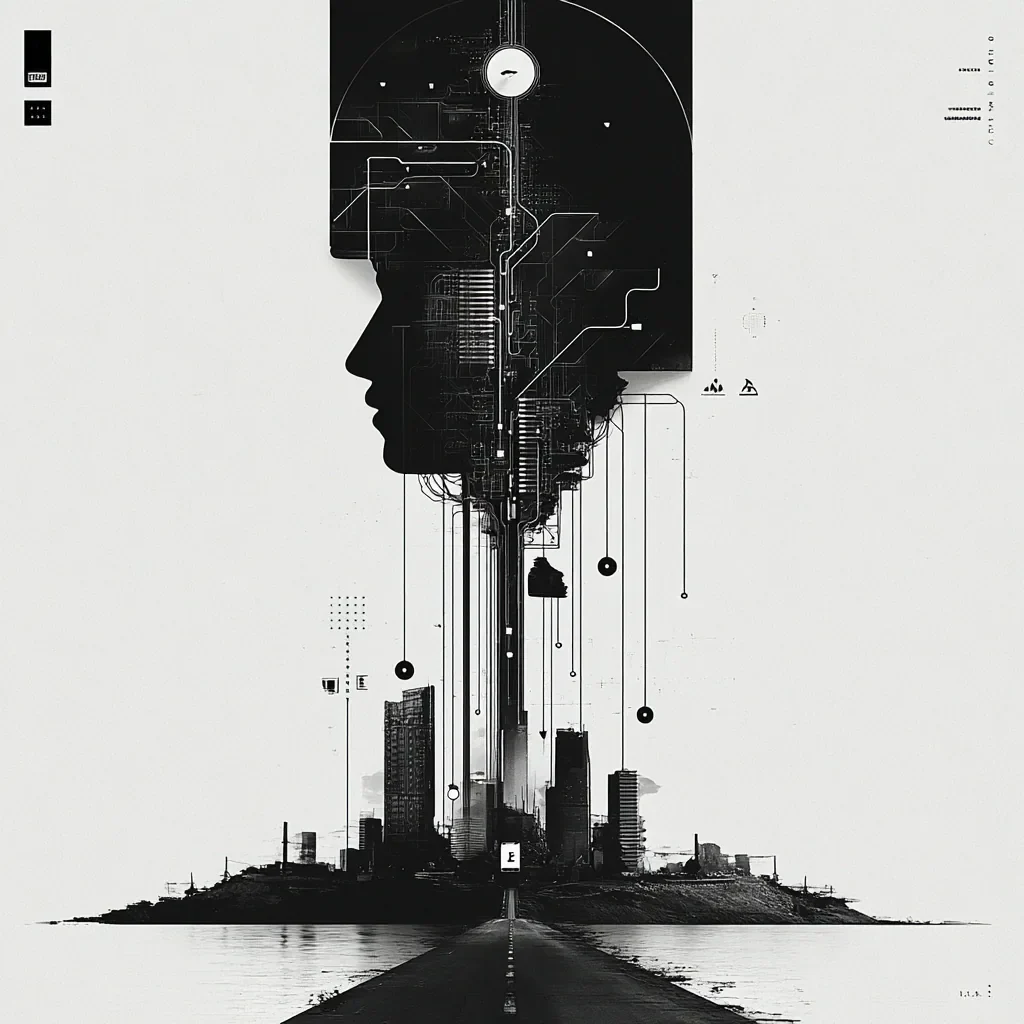
Part III · Personal architecture
7. The Hard-to-Replace Professional
“The scar is a sensor: it sounds the alarm before the data justifies it.”
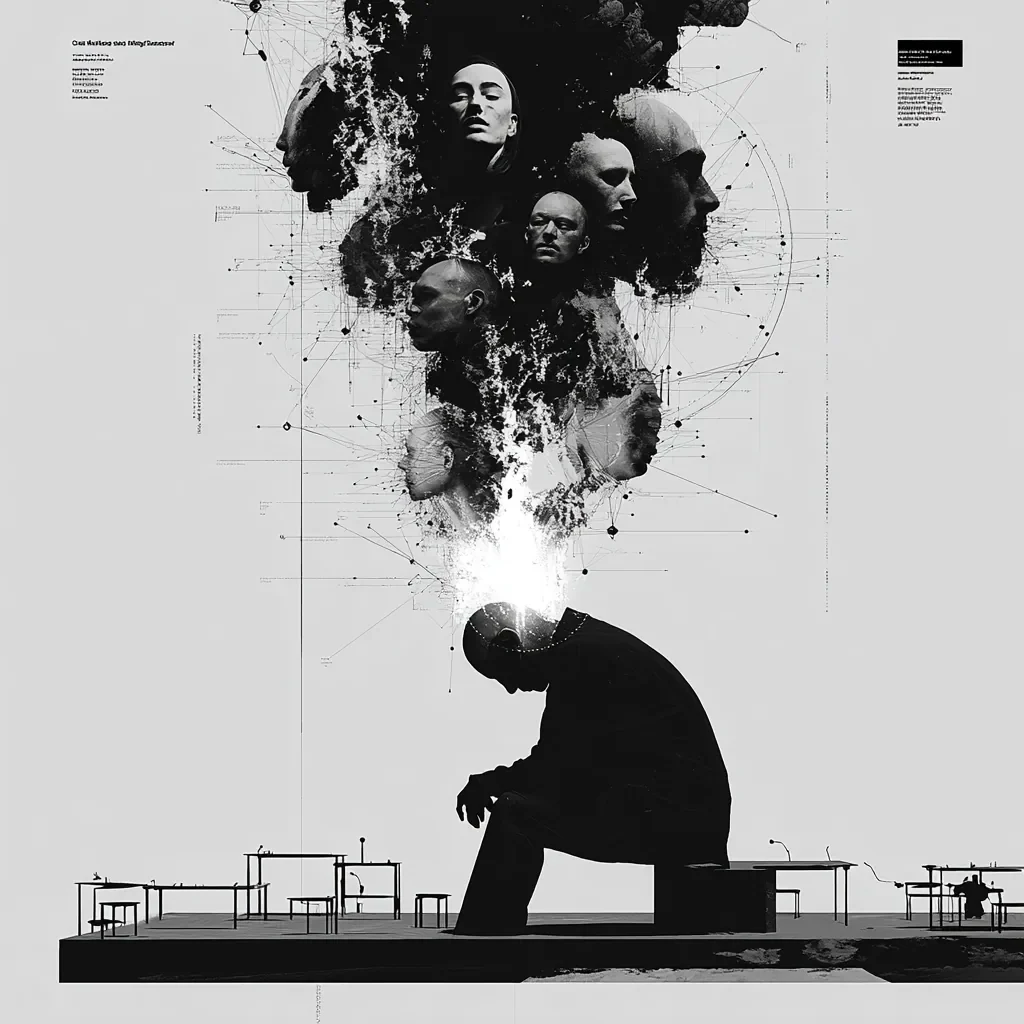
Part IV · Structural context
8. Infrastructure, Incentives and Real Limits
“The cloud has a mailing address.”

Part IV · Structural context
9. Real Work in Transition
“An output with no judgment behind it is a risk with good spelling.”

Part V · Designing resilience
10. Personal AI Governance
“Counting on something not to fail is called hope.”
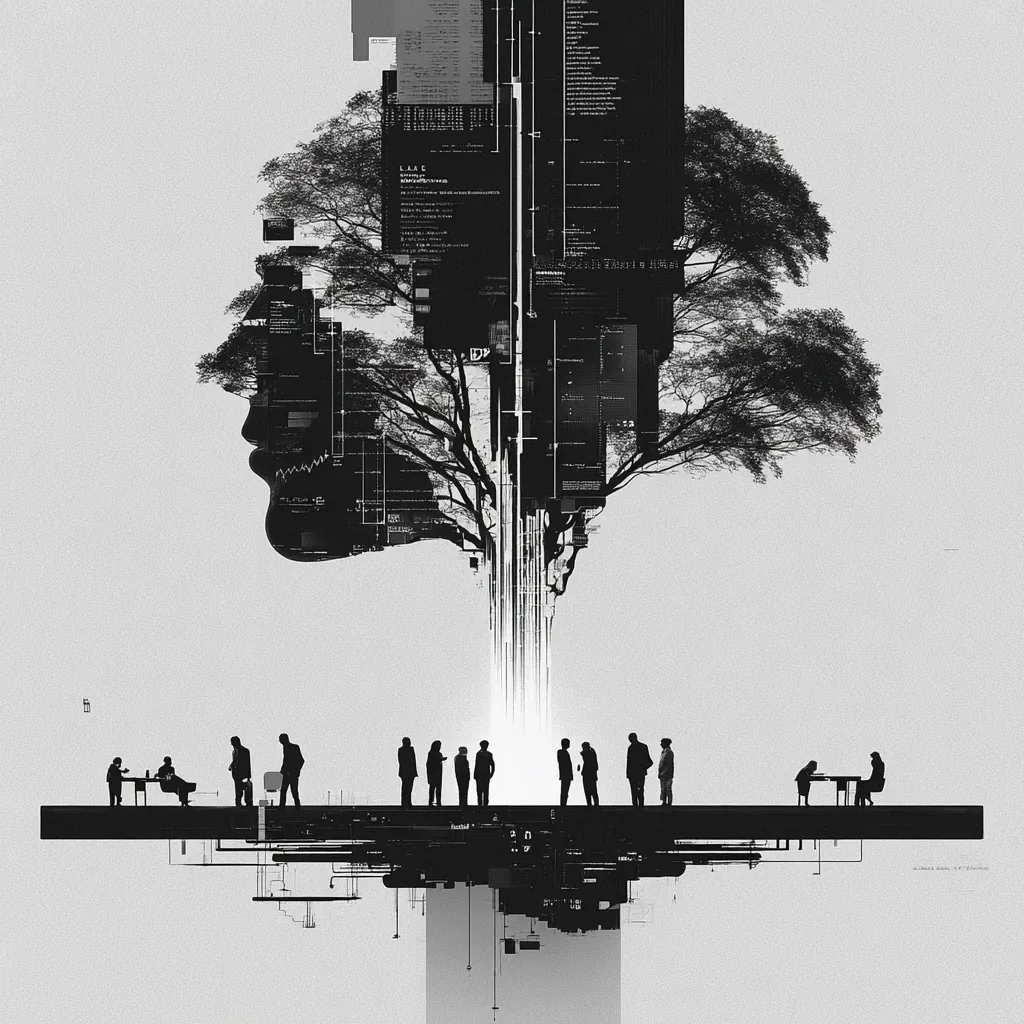
Part V · Designing resilience
11. A 15-Year Resilience Framework
“Dig where you are. The gold is down, not off to the side.”

Closing
Epilogue · The Name of the Terrain
“Anyone who can name what’s happening to them has already begun to govern it.”
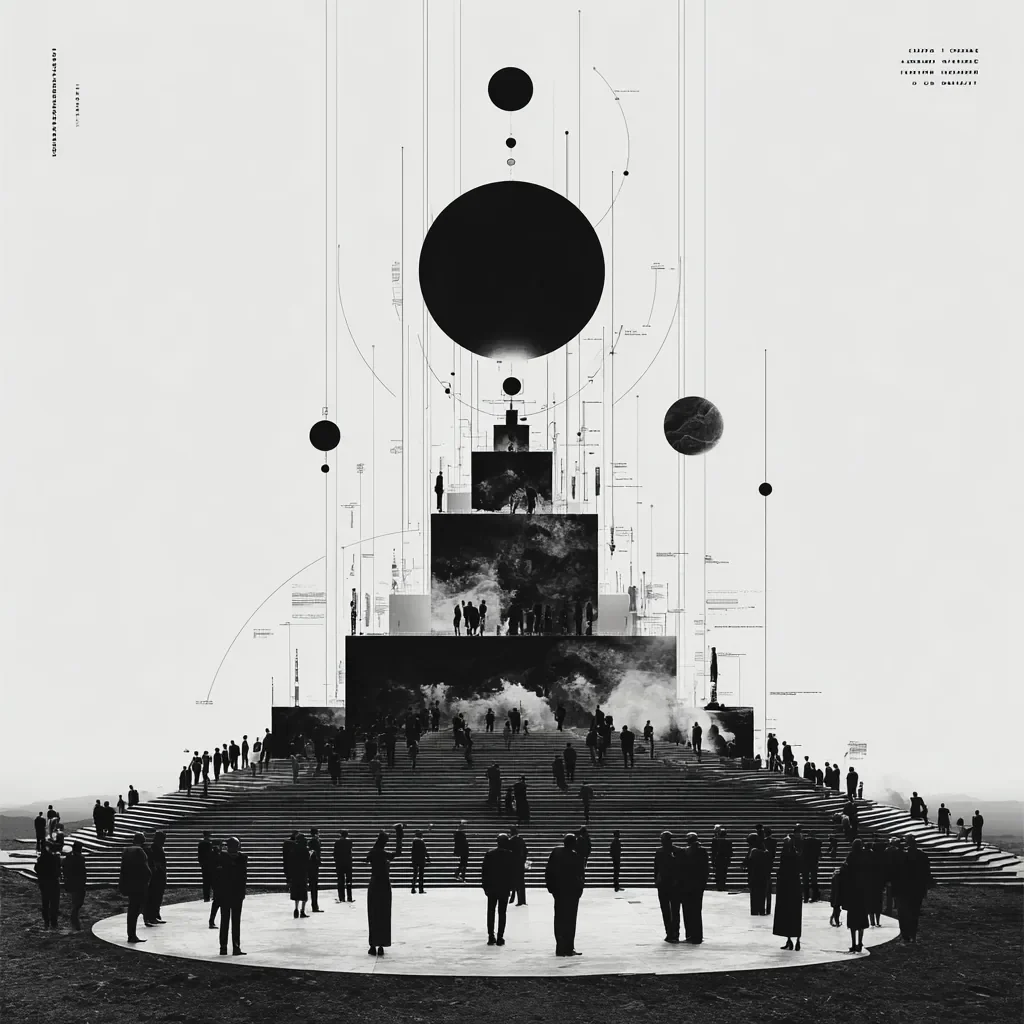
Closing apparatus
Questions for Coming Back to Monday
“Each one takes thirty seconds to answer, as long as you don’t lie to yourself.”
Audiobook
In the author’s own voice
About five hours, in English and Spanish, created with Pedro Mujica’s own voice. Coming soon on his own platform, paid with Stripe, after the launch of the book on Amazon.
© Pedro Mujica, 2026