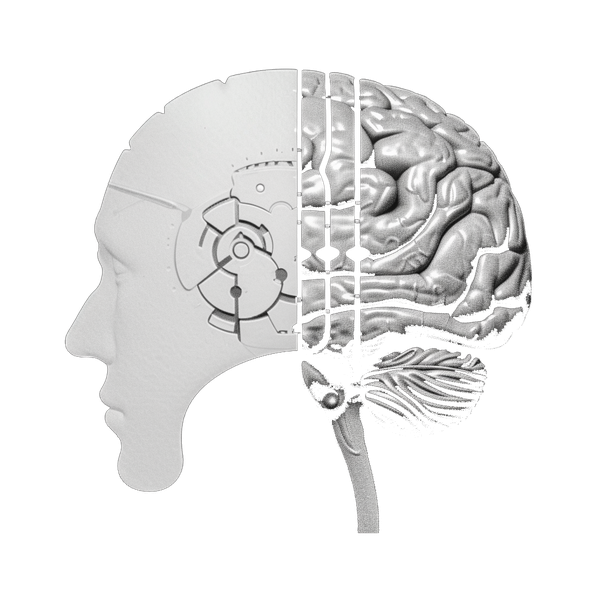

The Metaverse has arrived. Although we have been talking about it for years, it was only after Zuckerberg’s announcement and Facebook’s change of name to Meta that it finally became popular. What we used to call Extended Reality (XR), the whole of Virtual, Mixed and Augmented Reality, we have now simplified into a single term: Metaverse. And although it is still in its early stages, we believe now is the right time to discuss, alongside its technological development, its necessary regulation and the ethical aspects that must be taken into account.
But before discussing the ethical reflections we should begin to consider, let us first define what is meant by Metaverse. And this question is already the subject of intense debate: over recent months thousands of articles have been written on the topic and a multitude of definitions have appeared that often create more confusion than the possibility of reaching a more or less acceptable consensus.
In my opinion the most accurate one is very close to what Zuckerberg said: “The Metaverse will be the result of a technological convergence that will transform the Internet, taking it from its current 2D form on flat screens to a new 3D spatial form that will coexist with physical reality and surround us in different proportions that we will control in order to increase or decrease the sensation of immersion and presence.”
The convergence takes place in different areas that will gradually be integrated into the overall concept of the Metaverse as it evolves, especially over the next two decades. As an approximation, and citing only some of these technologies, here is how they could be classified:
- By Environment: 3D, Virtual, Mixed and Augmented Reality, Spatial Computing.
- By Device: Immersive, Holographic, Haptic, Neural.
- By Identity: First Person, Avatarisation, Artificial Intelligence, Ghost Mode.
- By Connectivity: 5G, 6G, Starlink, RealTime, Always On, Persistence.
- By Economy: Web 3.0, User as Owner, Centralized, Decentralized.
- By Data: Corporation, Blockchain, Smart Contracts, Tokenisation, NFTs, Lands.
- By Scale: 1:1, x:x, Mirror World, Interconnection, Interoperability.
- By Rules: DAOs, vDAOs, Governance, TechnoDemocracy, Ethics.
This definition has many concepts and nuances, and it is perfectly open to debate and extension, but however the Metaverse evolves, and however we define it, it raises a series of ethical questions to which the industry is not paying attention, and it is the humanities that must take a stand and ensure that the necessary precautions are taken in order to achieve a Metaverse that serves people and preserves their fundamental rights.
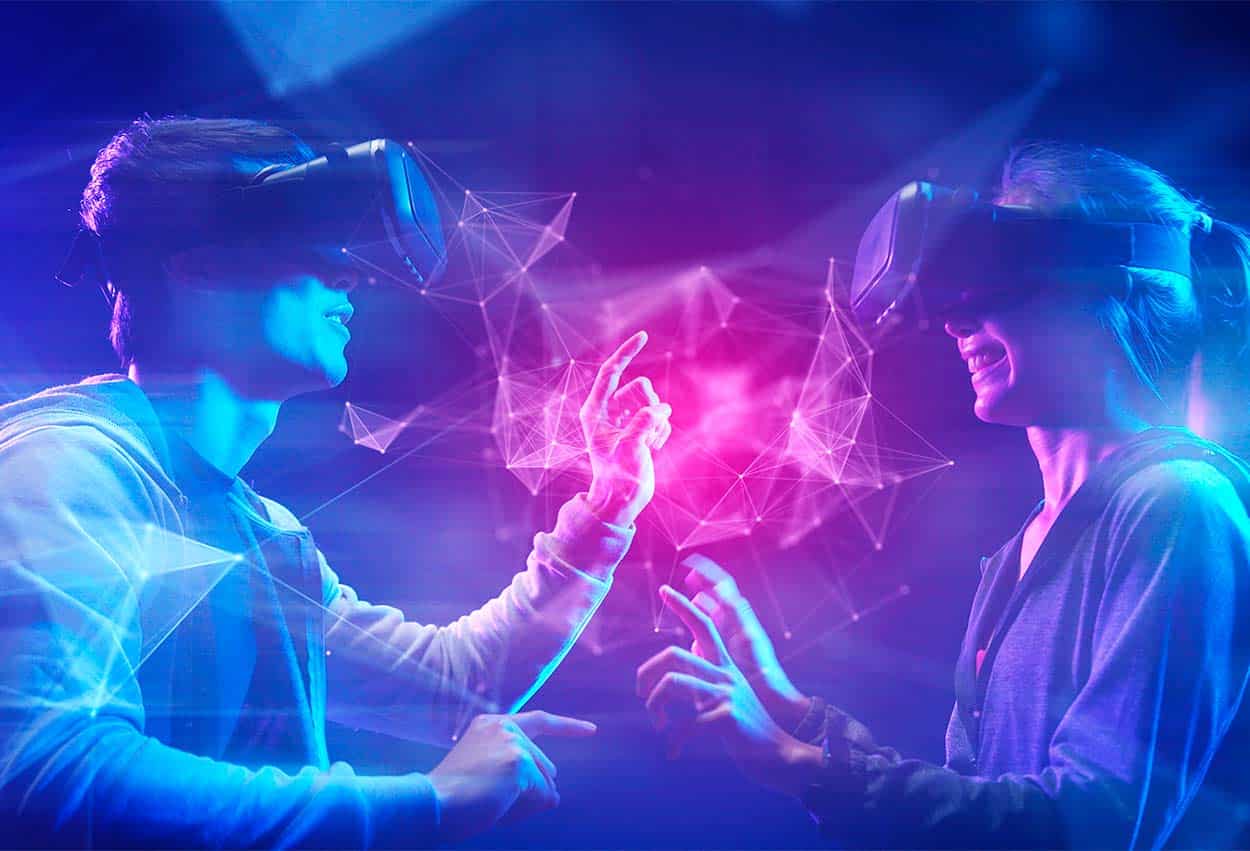
The Metaverse’s harshest critics consider that this new digital universe will not be consistent with the reality of the physical world. On the one hand, the big technology corporations are fighting to take control of this evolution of the digital ecosystem and are investing enormous sums to position themselves as the main players in the great change, asking nothing beyond the disruptive development of their products and services. They are not taking into account the possible negative consequences for people, nor will they.
On the other hand, governments, jurists, thinkers and humanists have already warned that the main risks of the Metaverse centre on the lack of transparency, honesty and accountability of these corporations, and that this is passed on to the Avatars that will inhabit it, whether they represent people or are automata with different levels of Artificial Intelligence. In other words, the main danger lies in socialising with other avatars, and in not having sufficient defences to make this relationship civil and covered by criminal and civil law, as happens in the real world. The Metaverse can be a dangerous Chaos if it is not properly regulated.
But let us look at a few brief examples of the cases we might encounter and possible solutions for avoiding them, or at least reflect on what regulatory framework would be needed.
PORNOGRAPHY, SEXUALITY AND CRIMINAL BEHAVIOUR
The pornography industry will undergo a revolution. This revolution in sexual relations is already under way in some countries, such as Japan. It opens up possibilities that are not available in the real world, making it possible to act out certain extreme fantasies, which may be morally reprehensible and raise new ethical and legal questions. Over recent decades pornography companies have distorted what we understand by sexuality, to the point where many young people have been drawn into increasingly violent addictions to pornography consumption.
The Metaverse will introduce into our society digital humans: hyper-realistic avatars that will have Artificial Intelligence and be available to serve whoever requests them. But what will be permitted to be done with them is something we have to think about if we want a virtual society that ethically complies with the laws established in both real and virtual life.
There has already been a case of a first rape in Horizons, which was basically virtual harassment through proximity between avatars, still somewhat naive, but which caused serious harm to the girl who identified with the attacked avatar, and which led Facebook/Meta to create a safety distance between avatars. For now this seems ridiculous, but if we reflect on the Metaverse that Mark Zuckerberg describes, we enter the realm of touch and haptic suits.
And this is where the problem appears: what would have happened if the rape had been more realistic, since the girl would have felt as if she were being “touched” against her will and with the intent to force her. Although this prospect is still distant, we must ask ourselves what will happen if someone “touches” us in the Metaverse. At what point would it be considered a digital assault? This is what we must get ahead of, because if the aggressor is able to hide their identity or even automate it behind Artificial Intelligence, we are entering a new era of cybercrime that must be taken very seriously.
VIRTUAL PROPERTY, PRIVACY AND INHERITANCE
The Metaverse is generating many headlines because of the purchase of Virtual Land on platforms such as The Sandbox. Users can buy virtual property, land and real estate, and even create a personal home for their avatars. Property transactions in these environments are booming, guided by the same principle as in the physical world: Location.
Such is the case of Calvin Cordozar Broadus Jr, known as Snoop Dogg, a bull in the crypto market and a defender of NFTs from the very beginning. The popular rapper revealed in late September 2021 that he had acquired virtual land in The Sandbox and intended to recreate his mansion. On 2 December, The Sandbox held a “Snoopverse Land Sale,” in which attendees bought plots adjacent to the star’s virtual property. The virtual land next to Snoop Dogg’s sold for 450,000 dollars in Ethereum.
Beyond the doubts it may raise that a virtual property can come to be worth more than a physical property in the real world, which is possibly due to the enormous fluctuations of the crypto market, other questions arise that enter the realm of privacy. Will we be able to enter a virtual plot without authorisation? It may seem an unimportant question, but the violation of privacy on a virtual property must be approached just as we have done in the real world.
The same rules that our laws set out today must apply, since we will possibly need privacy refuges where we are not exposed to the rest of the avatars, as happens in the public environments of the Metaverse, and therefore these spaces must be protected not only by access rules of the virtual environment itself, but even with a criminal approach to this kind of digital infringement. In short, if Private Virtual Property is part of the Metaverse, it must be protected just as we do in the Real world.
Thus, complicated questions arise at the social, ethical and legal levels. Will there be a metaverse police force to pursue criminals in the virtual world? How should we react to deviant virtual behaviour? What kinds of offences should we consider criminal?
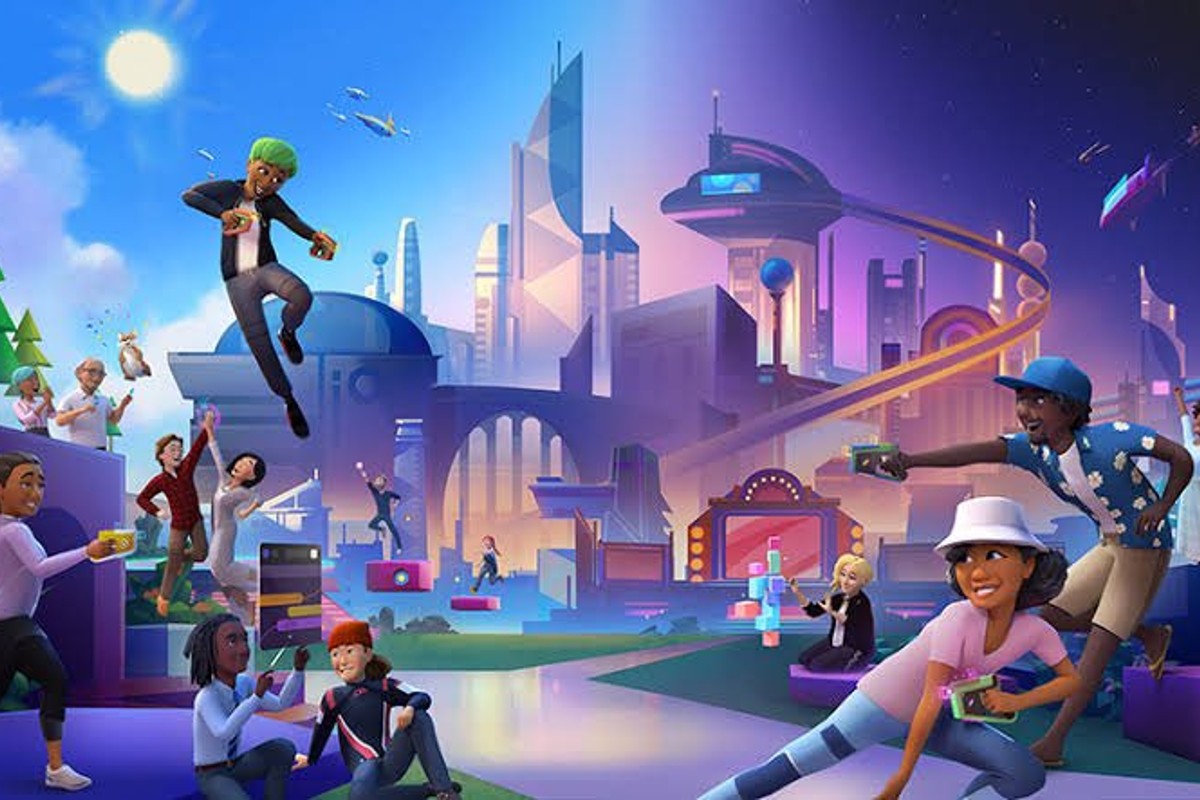
And continuing with the question of Virtual Property, and knowing the enormous value it can come to have, what will happen when a person dies. Death on social networks is already a familiar subject, and Meta/Facebook has created a special status for the “walls” of the deceased. However, by its very dynamics, the metaverse presents specificities that call into question the solutions put in place by social networks.
What should be done with the avatar once the person it belonged to dies? Will we create spaces to “park” the avatars of deceased people? Or will avatars keep coexisting after the person’s death, with the possibility of automating them through Artificial Intelligence? Is it ethical for loved ones to keep interacting with the avatar of a deceased person, and for it to display similar behaviour thanks to Big Data and Artificial Intelligence? These are questions that must be resolved before the case arises, since psycho-emotionally it could plunge us into a suffering we have never faced before, closer to the concept of immortality.
And lastly, in parallel, there is the question of the inheritance of digital assets. Although it is a more global subject, it is gaining ever more importance with the appearance of NFTs. How will they be passed on? Will they be included in the calculation of inheritance tax? Will taxes have to be paid on capital gains from NFTs? For example, this last question has already been decided in India, where a 30% tax on cryptocurrency capital gains is proposed. And even beyond that, and related to the above, if we inherit all the digital assets of an avatar that is still alive and sell everything, what state will that avatar be left in? Will there be any kind of protection for possible future artificial beings? As can be seen, the list of questions to resolve keeps growing. Now, therefore, is the time to begin answering them.
INTEGRITY, SECURITY AND PSYCHO-EMOTIONAL HEALTH
Another question is whether we can have several avatars in the Metaverse and what implications that has. Obviously, the answer is that we will be able to: just as on Social Networks, nothing prevents us from having several digital personalities with different accounts in the Metaverse, however much the creation of these accounts may be tied to technologies such as Blockchain and other Distributed Ledger networks.
The concept of identity in the Metaverse will undoubtedly be very complex because of the anthropomorphism of avatars, that is, their human appearance. Is it ethically acceptable to clone oneself in the metaverse and, in doing so, blur the traces of our true identity? In this case the answer is no, but the same scenario as in the Web 2.0 of Social Media will probably repeat itself.
The danger is that in spatial virtual environments the cognitive distance from artificiality shrinks and all interaction processes become naturalised, so that our emotional reactions to what we experience are much more intense and real. What happens in the process of socialising with other avatars will be very similar to what we feel in real life, and this creates a scenario in which, if the integrity of each identity is not ensured and we get involved in a society full of false avatars, psycho-emotional health may be significantly affected.
In fact, psychological effects as surprising as avatar psycho-emotional splitting are already beginning to be detected, where identification with the embodied metaversal identity is so strong that any experience lived in the virtual has direct consequences for mental and emotional health, just as if it had happened in reality, and sometimes even far more intensely. The Metaverse is a multiplier of psycho-emotional states, in positive and negative experiences alike.
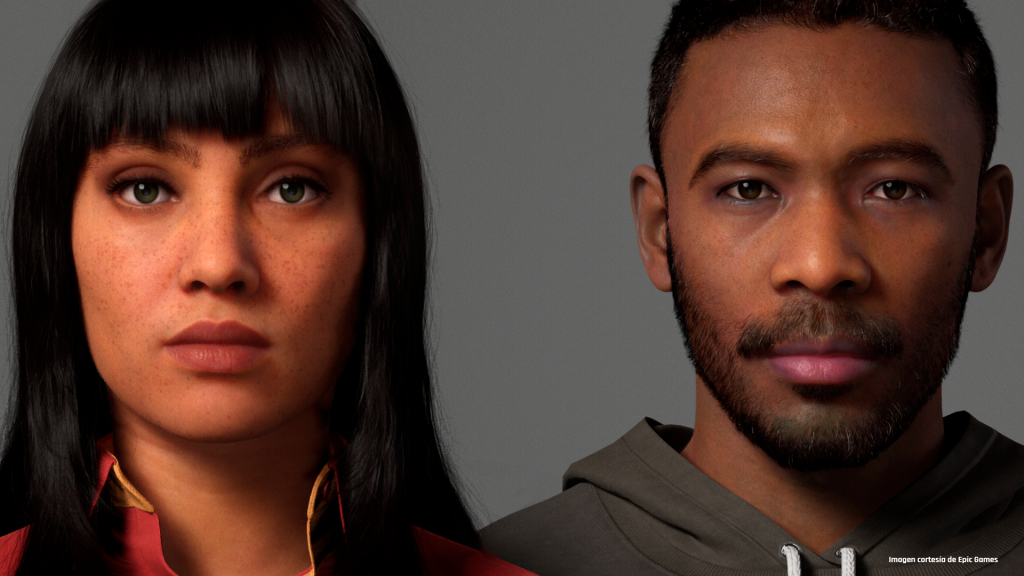
We must also raise the question of the avatar form. The trend is towards hyper-realism, so a moment will come when the hybridisation between the real and the virtual world will be almost indistinguishable. The virtual and the real will coexist spatially and we will not be able to tell the real from the artificial, unless the necessary protection mechanisms are developed to detect everything that is not part of our biological universe, which we call reality.
In this possible future, should it be mandatory by law to represent oneself in human form, or would all appearances be acceptable? In the latter case, what would be the consequences of living in a world where intelligent beings, both humans and avatar AIs, can adopt any imaginable form and thus play on people’s phobias and philias?
To this we must add the problem of cybercrime. Social engineering is the largest attack surface of digital systems, given how easy it is to obtain information that compromises security. If cybercrime begins to use the possibilities the Metaverse offers and the necessary defences have not been developed, some questions arise that could prove disastrous. Could an avatar be impersonated and attend confidential meetings, obtaining compromising information? Or, more disturbing still, could an avatar and all its NFT assets be kidnapped and a ransom demanded to recover it; in other words, can malware reach avatars? These questions are only the tip of the iceberg, because if avatar hacking becomes possible, we might even see our avatar murdered or, worse, left in a denatured state whose behaviour directly affects our metaversal identity.
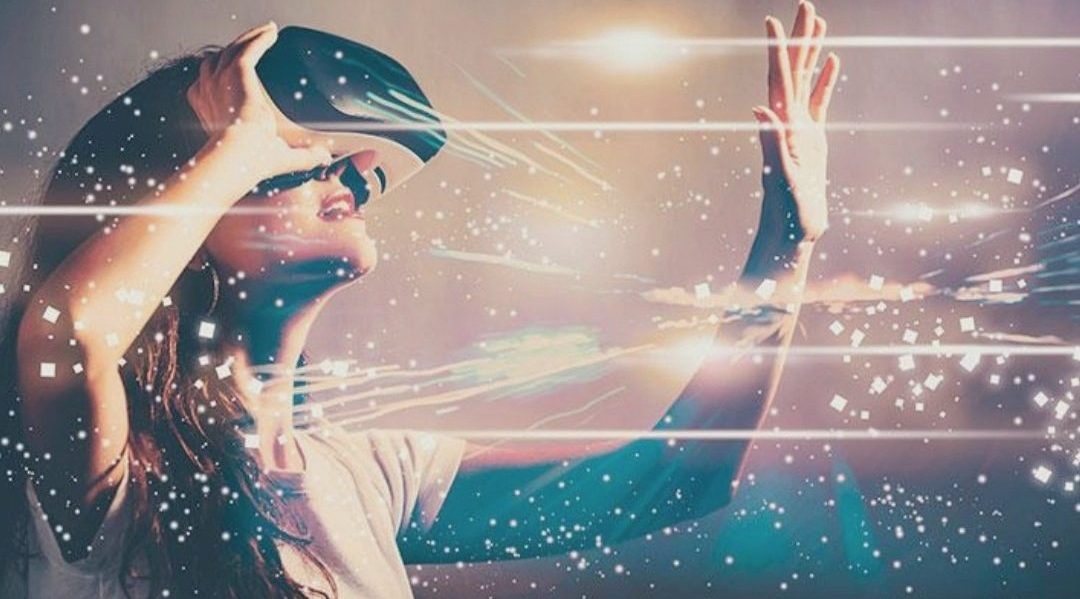
THE METAVERSE WILL BE TECHNOHUMANIST OR IT WILL NOT BE
Having raised only a few possibilities, we can see that it is extremely important to reflect now, while we are building the Metaverse, so that it becomes the new virtual world that helps, complements and serves the Human Being. The mechanisms that will shape it will generate a strict linear relationship between causes and effects that could become a faithful reflection of the complex nuances of the real world, but hybridised with the cognitive biases that artificial intelligence applied to avatars will introduce, such as xenophobic or sexist prejudices.
It is a new world that today exceeds our capacity for anticipation, which makes it extremely complex to create adequate regulation that can protect us against all the dystopian possibilities that might end up appearing. But although we must seriously consider all these ethical and legal questions, we also need a positive attitude and hope that we can do it right.
From this TechnoOptimist approach, the Metaverse represents a business opportunity and a social advance in every sense that is still hard to estimate. For Edgar Martín-Blas of Virtual Voyagers, perhaps the most important Metaverse company in Spain: “We are facing something big, perhaps one of the most important technological-creative turns in our history, in a world that was already showing exhaustion of ideas.”
We must therefore be prepared for the potential threats, with an ethical and humanist vision, without losing focus on the enormous benefits that the next evolutionary phase of the Internet can bring us in its new 3D, immersive spatial form. This is what we call the Metaverse, and we must build it in an ethical, responsible and above all sustainable and inclusive way with respect to the whole broad spectrum of people who represent the human species.
Originally published in Spanish on IANética (2022). English version prepared for TecnoHumanismo.
Related articles
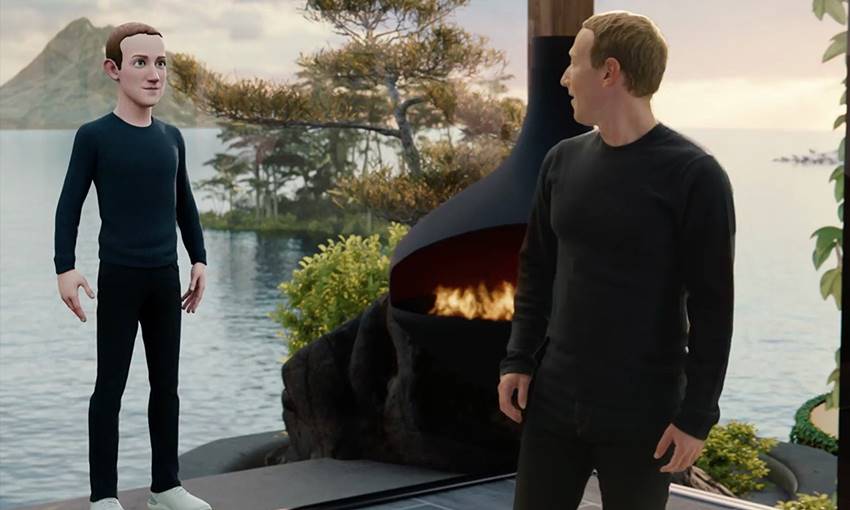
RTVE Informe Semanal: Our Technohumanist View on the Report «Rumbo al Metaverso» (Heading for the Metaverse)
A 15-minute report aired nationwide on La 1 and the 24 Horas channel on 4 June 2022. Pedro Mujica opens by defining the Metaverse.
Read article →3 min
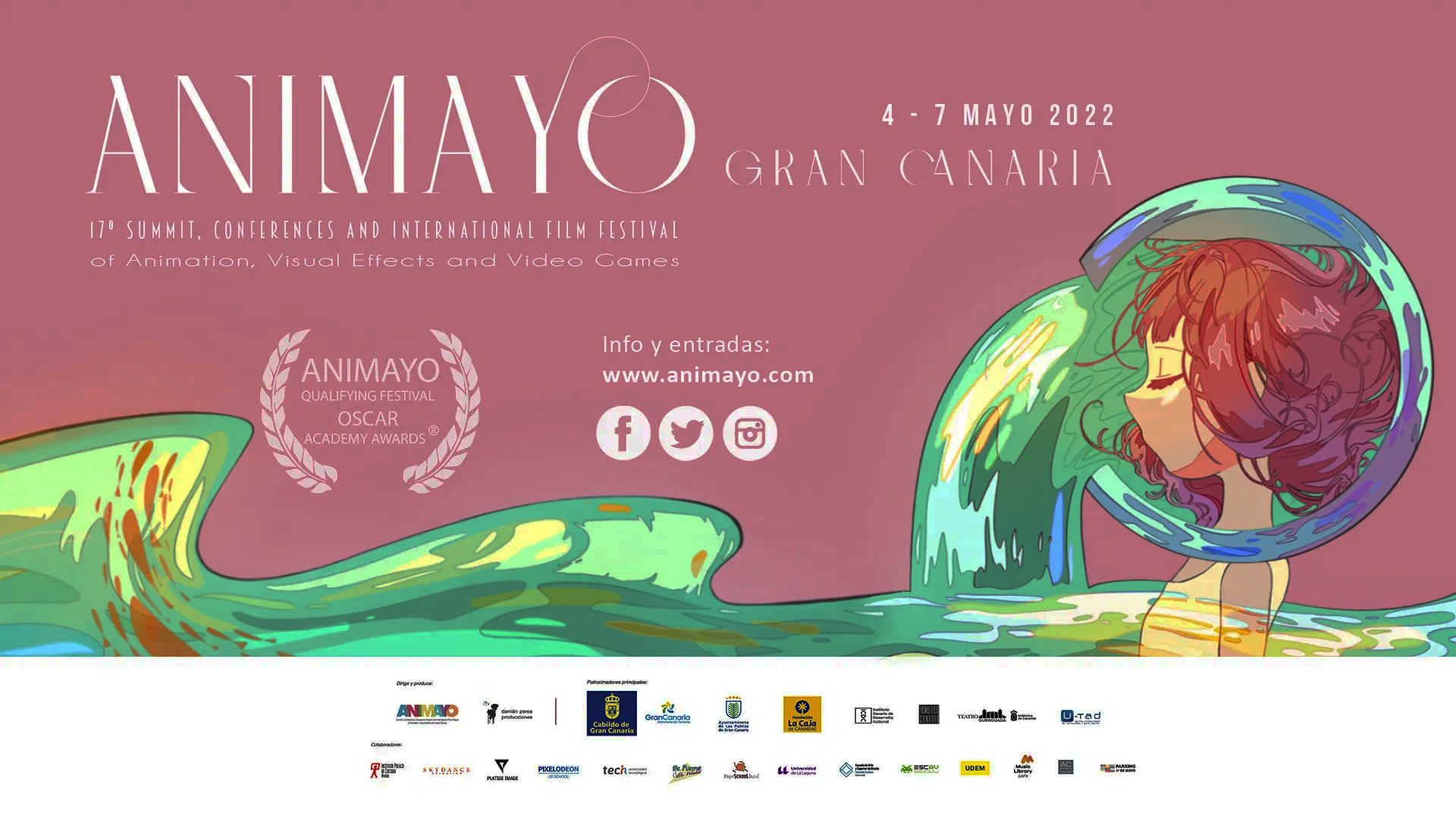
Animayo Festival. Ethical and Moral Questions About the Metaverse and Artificial Intelligence.
Round tables at the 17th ANIMAYO Festival in Gran Canaria on the ethical and moral questions raised by the metaverse and artificial intelligence.
Read article →5 min

Artificial Intelligence and the New Creativity in Art, Design and Illustration
Text-to-image diffusion models have overturned the idea that art, illustration and design were safe from automation, alarming the creative community.
Read article →9 min