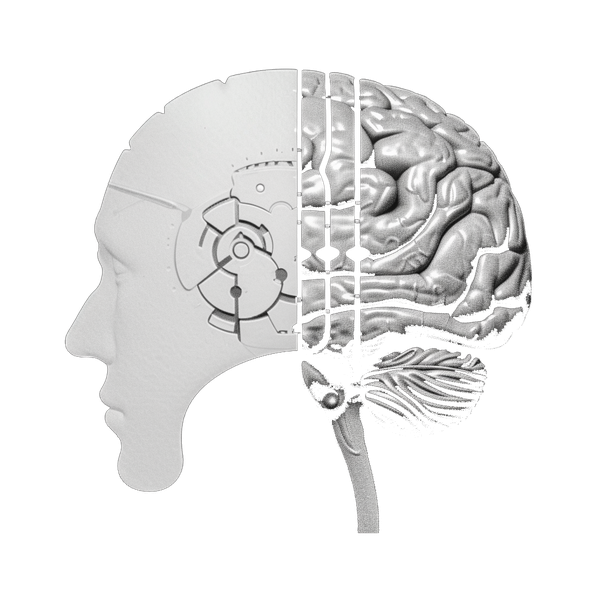

Until recently we thought Artificial Intelligence could not be creative the way human beings are, and that areas such as art, illustration or design were safe from the much-feared automation, or from the replacement of human technical skills applied to creativity. But this year the new generative diffusion models, capable of creating unique images from text, have transformed this notion, alarming the whole artistic and creative community.
The new platforms opened to the whole global community this year, 2022, have generated enormous controversy. OpenAI’s Dalle-2, MidJourney and Stable Diffusion are making it possible for anyone with no technical knowledge of Art, Design, Drawing or Illustration to obtain images of extreme beauty and professional quality in a few seconds, simply by entering into the prompt, or text input, of these AIs a few keywords about what they want the content of these creations to be.
These applications have made many human artists understandably nervous about their future; they wonder why anyone would pay for art if they can generate it themselves. They have also set off intense debates about the ethics of AI-generated art, and opposition from people who claim that these applications are basically a form of high-tech plagiarism.
Controversy over new art-making technologies is nothing new. Many painters rejected the invention of the camera, which they considered a degradation of human art. Charles Baudelaire, the nineteenth-century French poet and art critic, described photography as “the mortal enemy of art”. In the twentieth century, digital editing tools and computer-aided design software were also rejected by purists, because they demand very little skill from human creators. Once again we see the defensive reaction to what is new and transformative.
What sets the new generation of AI-based tools apart, according to some critics, is not just that they can produce beautiful works of art with minimal effort, it is the way they work. Applications such as OpenAI’s Dalle-2 and MidJourney are trained on millions of images from the web, which allows their deep artificial neural networks to recognize the mathematical patterns and relationships, hidden from human consciousness, in that huge big data of images, and as a result they can generate new, unique and unrepeatable images in a style that comes from their learning. That means that artists who upload their work to the internet may be helping, without knowing it, to creatively perfect their artificial competitors.
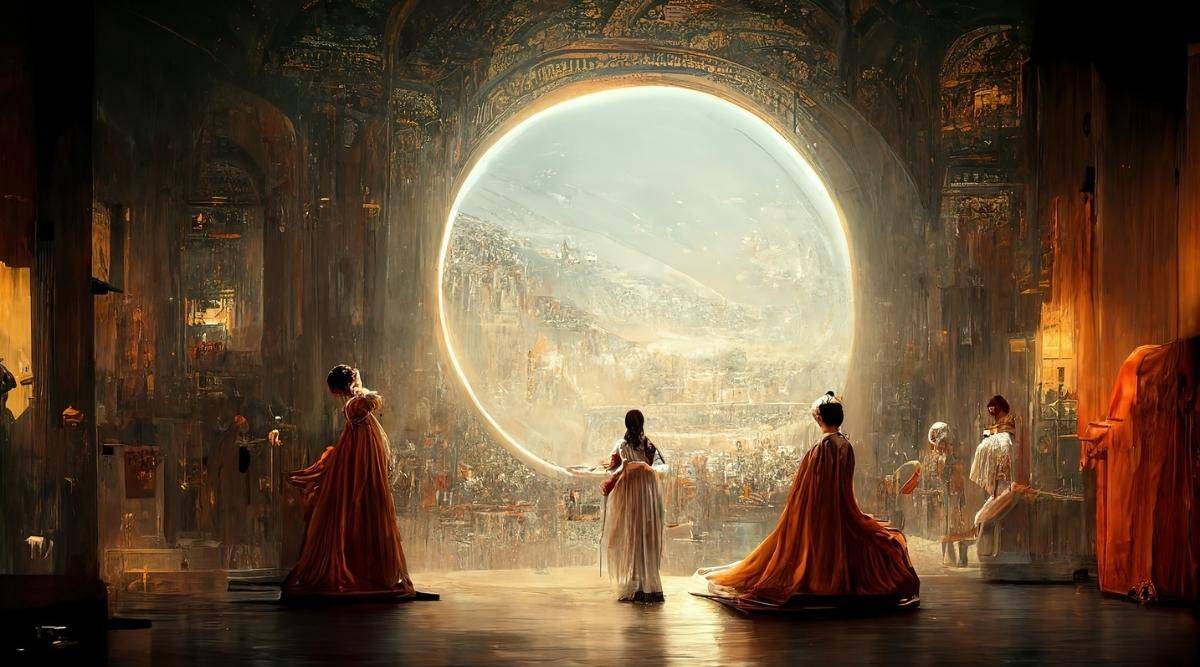
Jason Allen’s work, «Space Opera Theater», took the blue ribbon in the Digital Art competition at the Colorado State Fair, United States. This makes it one of the first Artificial Intelligence-generated works to win a major prize, which has prompted a strong reaction from digital artists, who say that cheating took place.
The «NeuroArtist» Jason Allen defended his work by saying that he had made it clear that his piece had been created with the Artificial Intelligence platform MidJourney, so he had not deceived anyone about its origin. “I’m not going to apologize,” he said. “I won, and I didn’t break any rules.” Olga Robak, a spokesperson for the state fair, said that Allen had properly disclosed Midjourney’s involvement when submitting his piece; the category rules allow any “artistic practice that uses digital technology as part of the creative or presentation process”. The category’s two judges did not know that Midjourney was an Artificial Intelligence program, but both concluded that they would have given Allen the top prize even if they had known.
The Great Controversy
After winning, Allen posted his prize-winning work on Midjourney’s Discord server. The image then made its way to Twitter, where it triggered a strong reaction from the community: “We’re watching the death of artistry unfold”, “This is gross”, or “I can see how AI art can be beneficial, but claiming you’re an artist for generating a piece this way? Never”. This has been the line taken by most of the comments that can be read on Twitter and other social networks.
A great controversy has arisen criticizing the injustice this represents: «If creative jobs are not safe from machines, then even highly skilled jobs are at risk of becoming obsolete. What will we have then?» But I think this kind of reasoning stems more from a lack of understanding of how these tools work and of the speed at which millions of high-level images generated by these platforms have appeared on the Internet.
According to the magazine Vice: (An AI-Generated Artwork Won First Place at a State Fair Fine Arts Competition, and Artists Are Pissed) , Jason Allen reacted quickly on Discord and said he knew perfectly well that his win would be controversial. But, knowing what he was stirring up, he felt that an «AI-generated art» category should eventually be created in competitions. Allen also maintained that he clearly specified that his work was generated using Artificial Intelligence: «Jason Allen via Midjourney». «I’m not going to stop now,» he said proudly. «This win has only given more meaning to my vision».
Jason Allen defends the importance of his human work in searching for and selecting the right pieces, and this is where the key lies: machines on their own, without human co-creation and creativity, cannot generate the works, nor submit them to competitions.
Some artists defended Allen and stated that using AI to create a piece was no different from using Photoshop or other digital image manipulation tools, and that human creativity is still needed to give the right instructions that generate a prize-winning work.
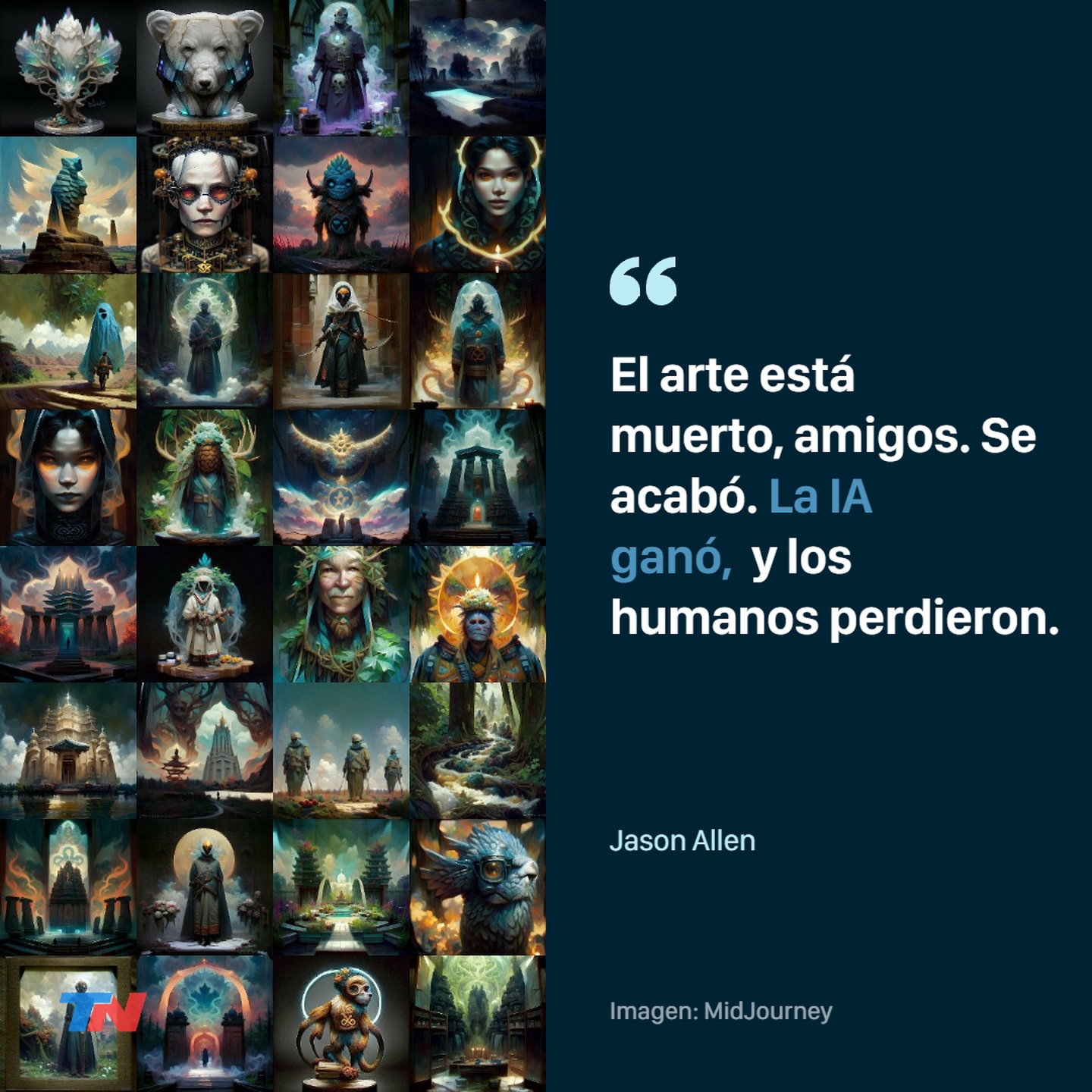
Allen said he understood the artists who feared that AI tools would leave them without work. But he insisted that their grievances should not be aimed at those who use Dalle-2 or MidJourney to create art, but at the companies that sell the idea of «being able to replace human artists with Artificial Intelligence platforms». «It shouldn’t be an indictment of the technology,» he explained. «Ethics is not in the technology, but in the people.» He also urged artists to get over their objections to AI, if only as a survival strategy. «This isn’t going to stop,» Allen said. «Art is dead, dude. It’s over. A.I. won. Humans lost.» Unless AI is put at the service of artists, not to replace them but to complement and empower them.
We have explained this idea many times at IANética, as set out in The Right to the Supremacy of the Human Being over the Machine. It is very likely that the Human Being will end up hybridizing with the Machine, in a TransHuman process known as Cyborgization, which means that human enhancement will no longer include only advances in BioTechnology, but we will also be empowered by modules and systems based on Artificial Intelligence, most likely BioImplanted. If this possible future comes, it will be crucial to have prepared ourselves in matters of regulation and legislation to guarantee human supremacy and the dominion of our mind over technological additions. The question is whether we are doing it right. Will artists need BioImplanted Artificial Intelligence to survive this future?
Artificial Intelligence and the New Creativity
RJ Palmer, a well-known digital artist from San Francisco, tweeted the following: “What makes these AIs different is that they are explicitly trained on the work of artists working today. These platforms feed on our work and the people behind them are actively anti-artist.” An exaggerated opinion, and he obviously forgets what the purists of the twentieth century said about his digital work: «Digital art is not art, because it demands very little skill from human creators«. History repeats itself.
I think this kind of statement arises from a lack of understanding of how Artificial Intelligence works, which is nothing more than a simulation of cognitive processes, as if it were the brain of a child who, inspired by the works it sees, is able to reproduce something similar. What is terrifying for the artistic community, and this is where the fear appears, is that this child surpasses any human in technique and speed, able to create sophisticated images in a few seconds. If a human child did it, we would all laugh and it would arouse no fear. But yes, the power of the Machine is frightening and in most cases incomprehensible.
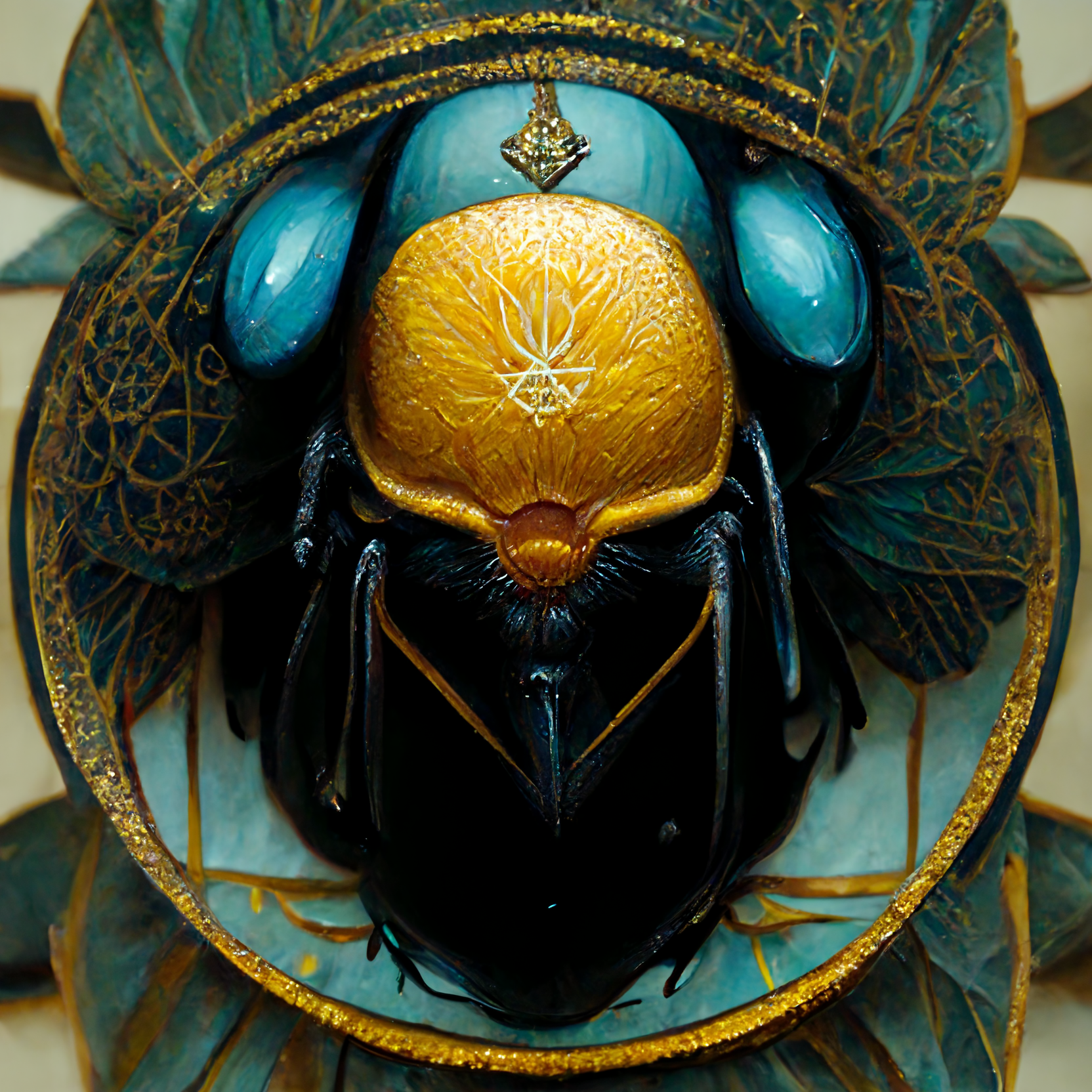
Even those of us who are experts and deeply understand how Artificial Intelligence works are truly impressed by diffusion models, and we worry that art, design, illustration and drawing generated by AIs will become the standard, although if these models keep evolving it is quite possible that it will. If this is the future that awaits us, it would be wise for us to adapt and to understand this new way of creating as an evolution of artistic tools, which is why I have often said that «AI is the new paintbrush». And I personally am grateful to be able to use this technology for my own creations, which I could never otherwise have executed so easily (NFT Collection «Cyborgized Egyptian Gods» by Pedro Mujica).
The well-known Kickstarter CTO Andy Baio, a renowned Technologist and Writer, wrote in a recent essay that Dalle-2, the most popular AI image generator on the market, was “almost magical in what it can generate, but it raises so many ethical questions that it is hard to keep track of them all”. And this is where the basis of our technohumanist approach lies: in the face of this unstoppable reality, all we can do is ask whether it is really what is good for us, and in the face of which all that would be left is to adapt and hybridize in order to create a new way of understanding Creativity and its inevitable path toward co-creation with machines.
In a recent Instagram post, the Irish filmmaker David OReilly denounced Dalle-2 as a “scam” and argued that it “is an attack on the work of creators of all kinds, obviously photographers, illustrators and concept artists who shared their work on the Internet and never asked to be included in a proprietary learning model”. But we return to the same mistaken approach about whether or not a machine should learn from openly published material: what would be the difference from human learning?
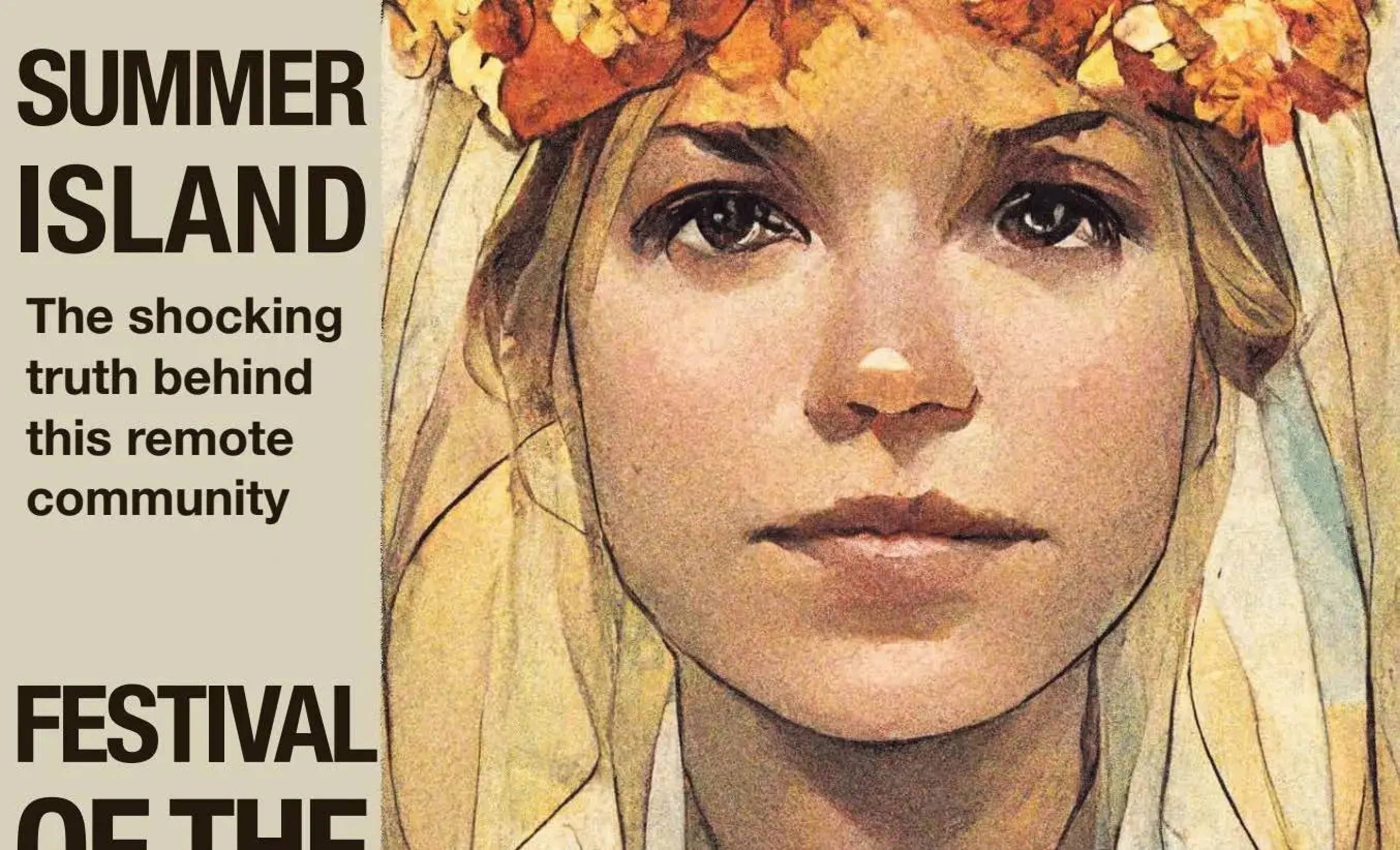
While the ethical debate rages around AIs, impressive projects with these technologies keep being published, joining the conversation and showing how artists are using these tools for creative purposes. One example is the artist Steve Coulson, who has published a comic co-created with the Artificial Intelligence Midjourney titled Summer Island, which can be found as a PDF here.
The Future Ahead
The history of humanity is closely tied to the perfecting of tools. And right now we are living a historic moment with the ultimate tool, Artificial Intelligence. We have entered the realm of human cognition. We are developing, at an unprecedented speed, a technology that not only overshadows the powerful human mind, but in many respects surpasses its capabilities.
But we must not be afraid. If we are able to regulate this advance as we have done before with other powerful technologies, Artificial Intelligence should become an invaluable help to augment us as a species, provided we do not lose the technohumanist approach of putting technology at the service of people. We must never lose sight of the maxim that defends the supremacy of the human being over the machine. Let us work along these lines with techno-optimism and adaptation to change.
This article has also been published in the outlet VALENCIA PLAZA:
https://valenciaplaza.com/inteligencia-artificial-nueva-creatividad-arte-diseno-ilustracion
Valencia Plaza is the daily newspaper of the Ediciones Plaza group, the only publishing group with Valencian capital. Always written from an economic and business perspective, it is the new benchmark for news in Valencian society.
Originally published in Spanish on IANética (2022). English version prepared for TecnoHumanismo.
Related articles
Ethics in the Metaverse
The Metaverse is still taking shape. Now is the time to discuss, alongside its technology, its necessary regulation and the ethical issues to consider.
Read article →11 min
Exploring the Future of Cognitive Computing and Its Social Implications
The future of cognitive computing is a new frontier where AI meets human thinking and learning, redefining how we learn, decide and create.
Read article →4 min
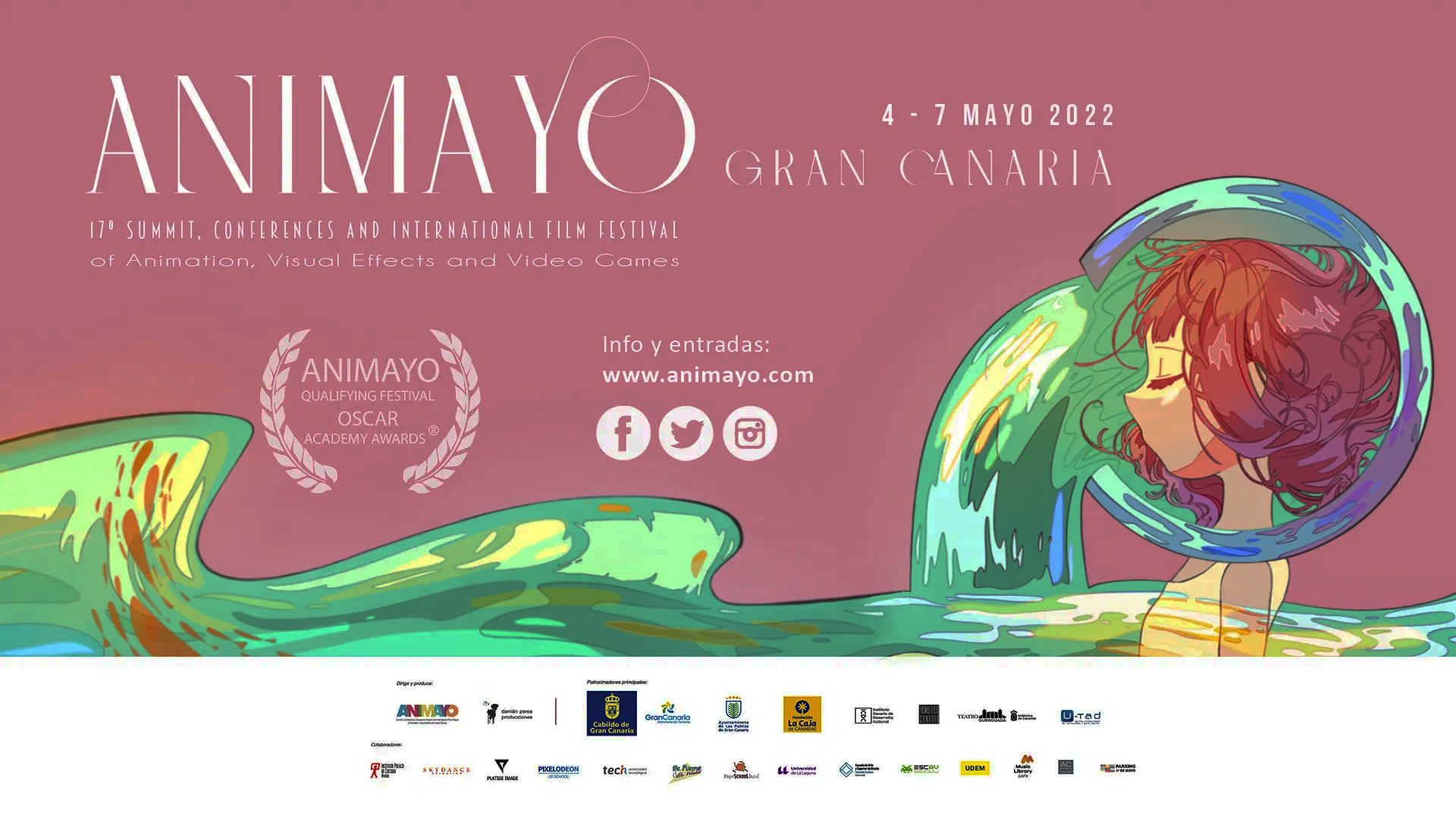
Animayo Festival. Ethical and Moral Questions About the Metaverse and Artificial Intelligence.
Round tables at the 17th ANIMAYO Festival in Gran Canaria on the ethical and moral questions raised by the metaverse and artificial intelligence.
Read article →5 min