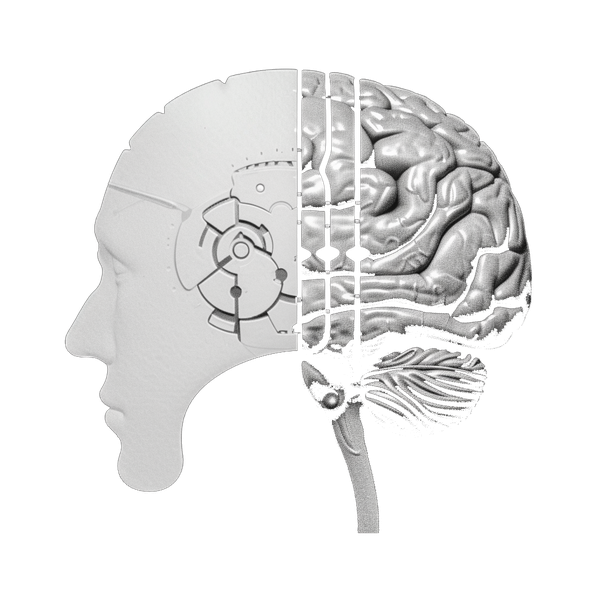

The right to digital legacy refers to the idea that people have the right to determine what will happen to their digital content after their death. This includes social media accounts, emails, photographs and any other type of digital content they have created or accumulated during their lifetime. In other words, the right to digital legacy is about how to preserve and protect our digital identity after we die.
The right to digital legacy is an increasingly important issue as more and more aspects of our lives are carried out ONLINE. According to a study by the Pew Research Center, 68% of the 5 billion Internet users use at least one social network, and use of the Web has grown by 27% since 2010. This means there is ever more personal information stored on the Internet, from photographs to emails and text messages.
The right to digital legacy also implies that people must be able to designate someone to handle their digital content after their death, in the same way that they can name someone as the heir to their physical assets. However, unlike our physical assets, which can easily be transferred to an heir after our death, digital content is more complicated to handle.

Companies that provide services on the Internet, such as social networks and email, have their own policies on how to handle user accounts after a person’s death. For example, Facebook allows people to designate a «legacy contact» who will have access to their account after their death, or to choose the option of «memorialising» their account, which means it becomes a read-only profile that can only be viewed by approved friends. However, these options may not be enough for some people, and may not reflect their real wishes about how they want their digital content to be handled after their death.
Moreover, it is often difficult for heirs to access the account of a deceased person because of privacy and data protection laws. This can mean that a person’s digital content remains trapped on the Internet, neither seen nor managed in the way the person had wanted. Therefore, it is important for people to think carefully about how they want their digital content to be handled after their death, and to take steps to make sure their wishes are carried out.

One way to do so is by creating a digital will. A digital will is a document in which a person specifies how they want their digital content to be handled after their death, and names a person as the administrator of their digital account. This document must be signed and notarised in the same way as a traditional will.
Another way of ensuring that your wishes regarding your digital legacy are respected is by creating a digital legacy service. These services, which may be offered by companies or individuals, give people the possibility to store and manage their digital content securely, and to designate an account administrator to handle their digital content after their death.
Spain has already provided for the creation of the digital will in Organic Law 3/2018 of 5 December on the protection of personal data and the guarantee of digital rights, which brings into our legal system the new regulation of this instrument, understood as the last-will document that allows us to leave instructions about the fate of our digital content in the event of death.
In Catalonia, Law 10/2017 of 27 June on digital wills was the first to address this issue in our country, although with solutions different from those of the later LOPD not only as regards the persons who are to be considered entitled to act before information society service providers to carry out the instructions of the deceased, but also as regards the form of the instructions themselves or the actions that can be carried out in relation to the digital content of the deceased.
In short, the Digital Will is a document that secures one of the digital fundamental rights that is least taken into account. This notarial document must list a person’s digital content or, in other words, their personal data, the passwords or profiles of each social network, the digital files (ebooks, music or audiovisual files, photographs taken or of oneself), email accounts, also websites or blogs created, as well as the accounts opened with online or on-demand music or film streaming services, such as Spotify, HBO or Netflix, among others, e-commerce transactions, online banking current accounts, cryptocurrency balances or online payment services such as PayPal. It is information gathered for the person we have decided must have it and know it, once we are no longer in this world.
.
Originally published in Spanish on IANética (2022). English version prepared for TecnoHumanismo.
Related articles
The Right to Digital Inclusion
Digital inclusion is a human right arising from the technological environment the Internet created. Today, digital exclusion equals social exclusion.
Read article →5 min

The Right to Education in the New Digital Era
The right to education, a fundamental right enshrined in the Charter of Human Rights and the Spanish Constitution, also extends to the digital sphere.
Read article →6 min
The Right to Digital Identity
Digital identity is a user's data, actions, opinions, photos and digital footprint, plus what others publish about them. Security and privacy are key.
Read article →7 min