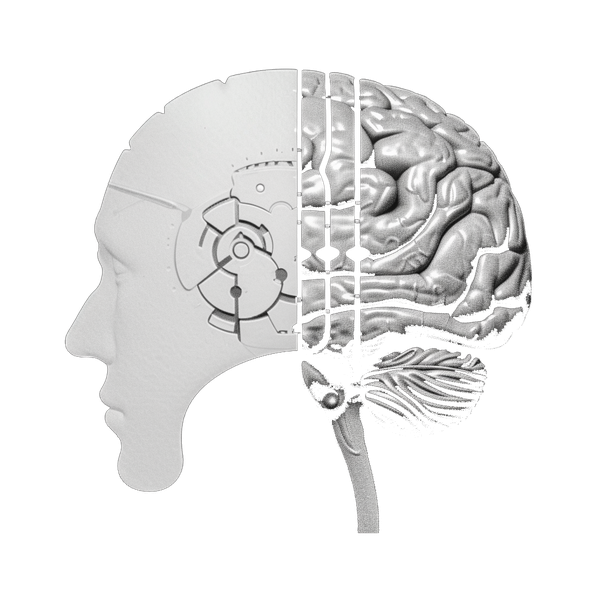

The increases in recent decades in the levels of depression, loneliness and child and youth suicide, phenomena that obviously have multiple causes, have technology as one of their main actors.
New behavioral patterns such as selfie dysmorphia, that is, self-worship, dissatisfaction and even physical self-denial under the principles of image standardization; FOMO (fear of missing out), the fear of missing “the latest thing,” and the anxiety it generates; the low birth rate of the first world and its demographic and economic consequences, and so on, bring us closer not to the futuristic Eden but to a dystopia, with an air of digital sophistication (especially in processes of information, communication and management) and, as a result, of mental absence and virtual presence, which clearly abstracts us from physical reality and dehumanizes us.
We are not going to deny the virtues of many of the advances that the technological revolution has produced in health, communication, art, the economy and society, among others. On the other hand, however, it is quite likely that the economy of data and attention, hyperconnectivity, the current concept of success based in large part on recognition, and the imposed immediacy (which curbs the critical capacity of the members of the group), all of it wrapped in the cellophane of the dictatorship of image and spectacle, as packaging and product at once, are unhinging the gears of a society with a level of cohesion once unimaginable, a cohesion that unfortunately is now being eroded.
It is worth remembering that a good part of the social advances of recent times, such as the French Revolution, the processes of decolonization, the establishment of democracies…and even physiological advances, these much older, such as the fact that the size and capacity of the human brain have grown as a result of social relationships, have had collective power and strength at the core of their development.
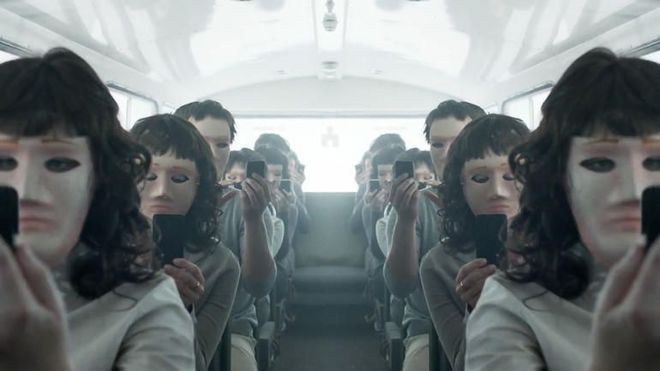
An extremely individualized society loses its bearings and probably its heart, since it loses the perspective needed to empathize, and that is one of the greatest risks that threaten it: fragmentation, culminating in individualization. And here again, technology plays a decisive instrumental role. We must ask ourselves what kind of society we want. A regressive model, where the most absolute freedom goes hand in hand with extreme loneliness and hedonism? Or one based on family, friendship and collective joy? Although it would also make sense to look for the inevitable gray areas between the two options. The need for a morality in the use of “the tool,” which is still experimental in nature in its individual and social implementation, is evident, and so is the fact that this morality will take shape through the black spots that appear along the way. We must never stop reacting.
One path can be found, as Pedro Mujica rightly proposes, and I expressly thank him for the invitation to share these views in this lantern called ianetica, in educating people in the use of that tool: controlling exposure times, activating body and mind with physical activity, or applying the theory of digital minimalism, which proposes rebuilding our digital lives by prioritizing what interests us and is relevant and discarding the rest of the stimuli (mainly by fleeing the networks that commodify suffering and unhooking ourselves from the addiction to the bombardment of information). In other words, putting technology at one’s own service and not consuming it by default, with a sedative effect, under the shelter of that unrecognized social addiction, so as to allow us to connect with our fellow human beings in the traditional, real way.

We can move toward a society that uses technology to improve quality of life in different spheres and for all the social segments that make it up; that helps reduce extreme inequalities, demystifying standards and idealisms, and that serves as a means for the acceptance of plurality and difference, to move toward a more harmonious, tolerant and advanced society; that, in turn, uses technology, and knows how to use it!!…and does not end up, poetically speaking, like “Saturn Devouring His Son,” in search of its source of dopamine, and on top of that, left unsatisfied.
Originally published in Spanish on IANética (2022). English version prepared for TecnoHumanismo.
Related articles
AECTA Congress. Interview with Pedro Mujica
Interview with Pedro Mujica on his opening talk at the AECTA congress on AI and Humanism: technohumanism and the Fifth Industrial Revolution.
Read article →5 min

Technohumanism and Human Empowerment: Foundations of the Fifth Industrial Revolution
At the AECTA Emerging Technologies Congress in Las Naves, Pedro Mujica opened with a talk on technohumanism and the Fifth Industrial Revolution.
Read article →5 min
Searching for Vocations. Universidad Europea and ATRESMEDIA
A 7-minute report for Universidad Europea and ATRESMEDIA in which Pedro Mujica discusses the future of professions and computational thinking.
Read article →3 min