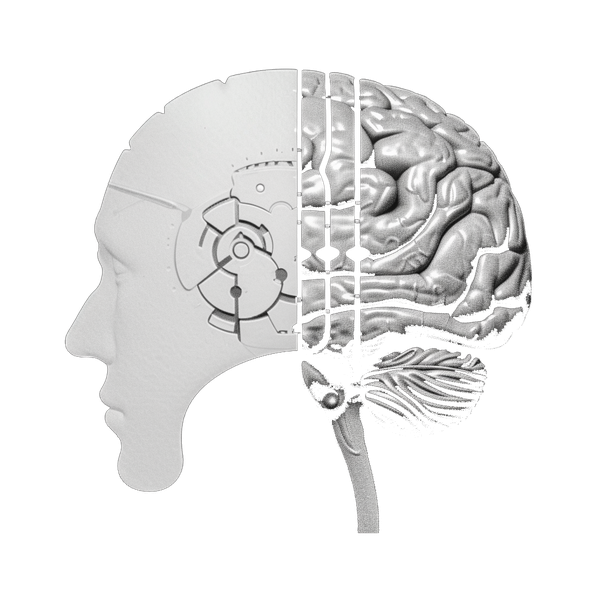

A 7-minute report for Universidad Europea and ATRESMEDIA, in which Pedro Mujica sets out some keys to the future of professions, the importance of Computational Thinking and the cross-disciplinarity needed in the new learning.
The emerging technologies of the Fourth Industrial Revolution, such as Extended Reality, Artificial Intelligence, Big Data, Blockchain, Robotics and Cobotics, or the Internet of Things (IoT), are already having an unprecedented impact on industry, the economy, communications, the way we do business, marketing, systems and politics, among many other areas. In the context of Education 4.0 these technologies are beginning to be applied in almost every area of Learning, so that both teachers and students, regardless of their age, income level or location, must be prepared for the new dynamics that their integration brings.
This means that they must learn a set of skills and abilities that allow them to be competitive and adapt to the constant changes, which are happening ever faster. Some of these competencies are the ability to solve complex problems, teamwork, communication, adaptability, emotional intelligence, critical thinking and, above all, computational thinking.
These two paragraphs are an excerpt from the article https://tecnohumanismo.com/en/blog/education-in-2030-and-the-key-aspects-of-learning-4-0/. I recall them here as a complement to the text of the report I made with Universidad Europea and ATRESMEDIA, which summarizes the main ideas I put forward extremely well.
You and I Are Cyborgs Without Knowing It
Pedro Mujica is a very particular engineer. So much so that he defines himself as a “humanist technologist”. After studying computer engineering, Mujica realized that the technology he was going to develop needed tools his degree had not given him. Fundamental tools. “I believe the right way to grow as a person and as a professional is to understand different disciplines and hybridize them. To be a Renaissance man”, he explains. He believes that the Humanities must be very present in the technological development we are living through. Because it is a leap we have never made before.
“You and I are cyborgs, without knowing it”, says Mujica. The use of the smartphone or of smartwatches, which keep us constantly connected to the internet, proves it. These devices are already almost a part of us. And this process is going to accelerate. “What will the next evolutionary step be? The internet inside me. Devices inside our bodies and as close to the brain as possible”, he explains. So, in a world in which human beings are about to take a giant step, “technology needs the Humanities more than ever”.

“There is one key to what is coming: cross-disciplinarity, mixing disciplines that are kept apart”, says Mujica. Giving a soul to technology is going to be fundamental. But it is also essential that those whose professions are not currently related to technology train for the future, because sooner or later their work will be affected by this new wave of change. “Writing code is writing the future. We should all learn to write code”, he sums up. The watertight compartments between professions will fade away because they will no longer be useful. Yet Mujica is clear that we cannot bet everything on technology alone. “Technology is nothing without ethics”, he concludes.
Link to the report “You and I Are Cyborgs Without Knowing It” by Universidad Europea and ATRESMEDIA: https://buscandovocaciones.universidadeuropea.com/video/tu-y-yo-somos-cyborgs-sin-saberlo/
“El código va a estar presente en todas las áreas de la civilización digital. Va a ser necesario conocer los algoritmos y cómo funciona el software en todas las profesiones”, explica el informático Pedro Mujica. En @Vocaciones_UE. pic.twitter.com/p3xuzzXgit
— Universidad Europea (@UEuropea) July 20, 2022
Originally published in Spanish on IANética (2022). English version prepared for TecnoHumanismo.
Related articles
AECTA Congress. Interview with Pedro Mujica
Interview with Pedro Mujica on his opening talk at the AECTA congress on AI and Humanism: technohumanism and the Fifth Industrial Revolution.
Read article →5 min
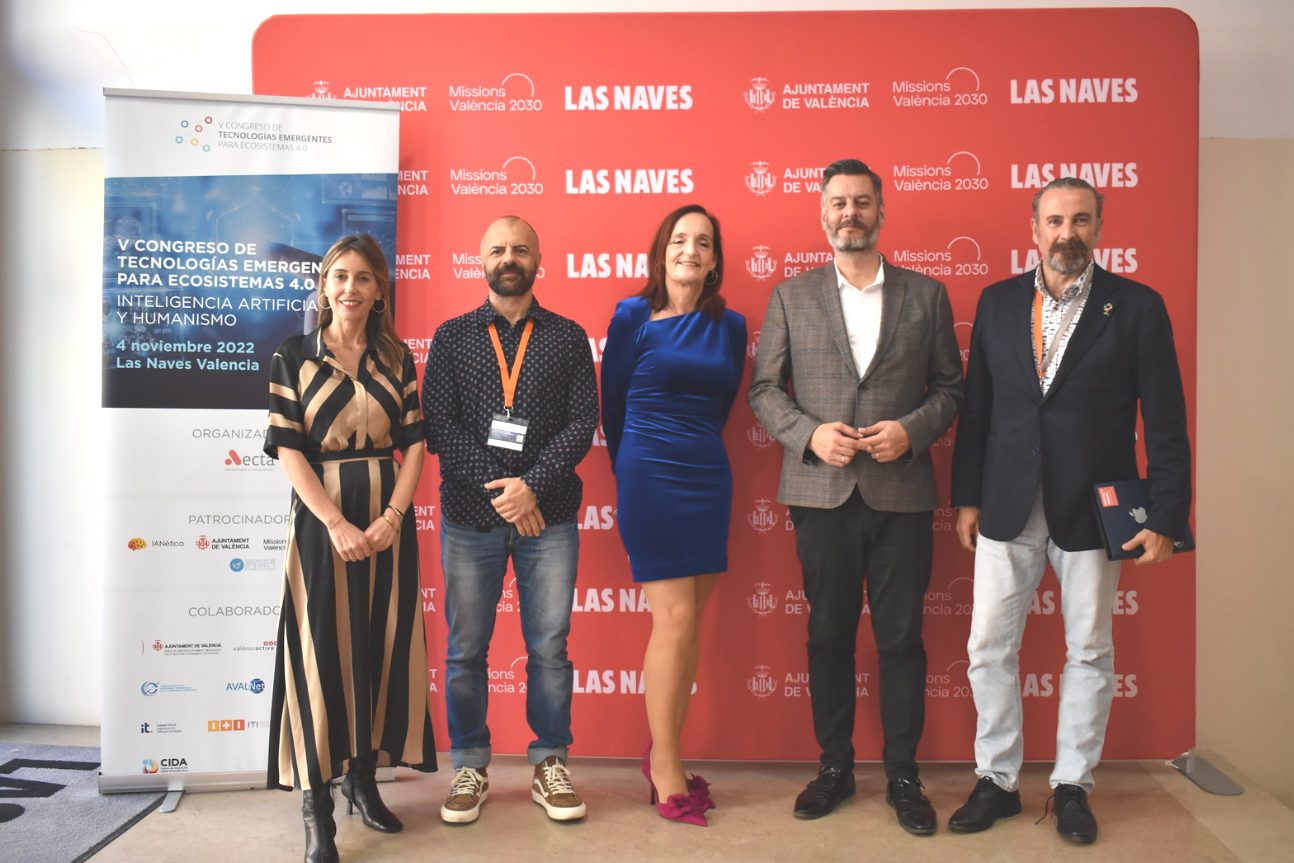
Technohumanism and Human Empowerment: Foundations of the Fifth Industrial Revolution
At the AECTA Emerging Technologies Congress in Las Naves, Pedro Mujica opened with a talk on technohumanism and the Fifth Industrial Revolution.
Read article →5 min

The Right to Education in the New Digital Era
The right to education, a fundamental right enshrined in the Charter of Human Rights and the Spanish Constitution, also extends to the digital sphere.
Read article →6 min