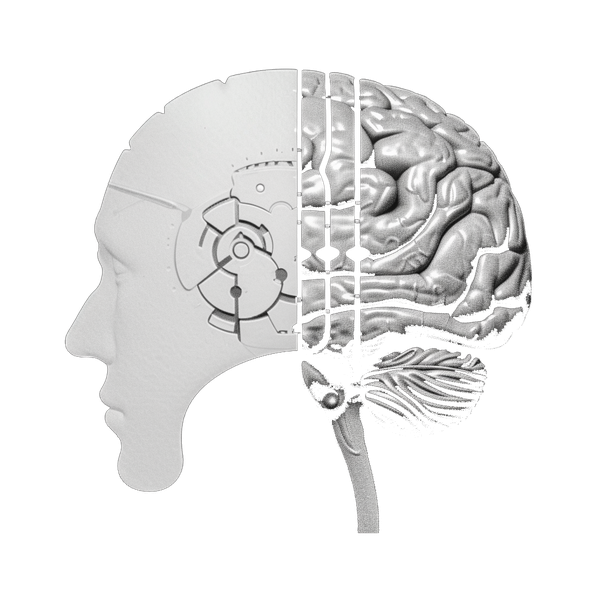

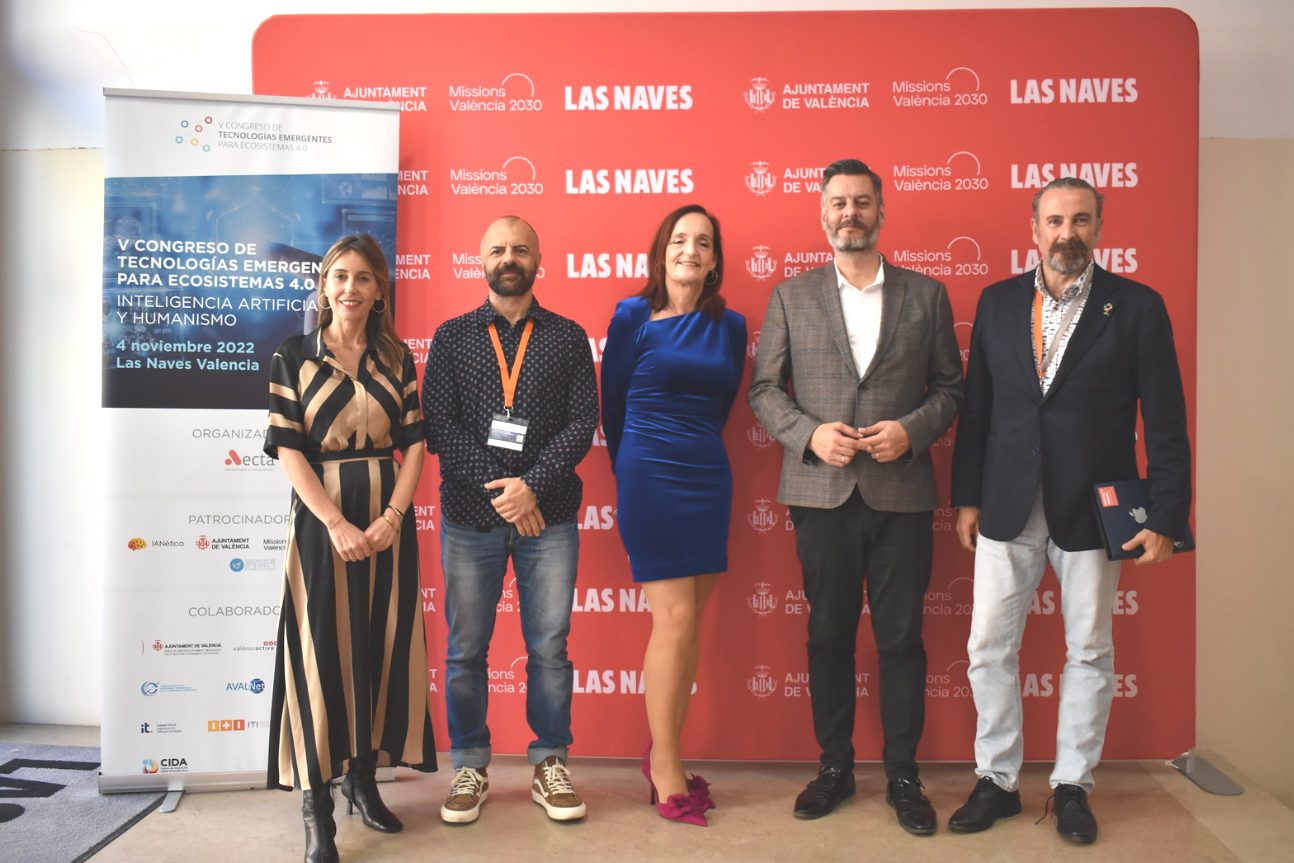
One of the key themes of the 5th edition of Emergentes 2022, organised by the Association of Technology, Consulting and Innovation Companies of the Valencian Community (AECTA) and held at Las Naves, under the motto “Artificial Intelligence and Humanism”, was an attempt to answer this question.
Technology must be put at the service of people, so that it helps create the best possible world and so that the era of uncertainty we find ourselves in reaches a safe harbour through everyone’s efforts.
The meeting explained how we are currently in the Fourth Industrial Revolution but are already approaching the Fifth Industrial Revolution because we have forgotten something as important as people. The theoretical framework of the Fourth Industrial Revolution spoke a great deal about machines and technology, but little about people.
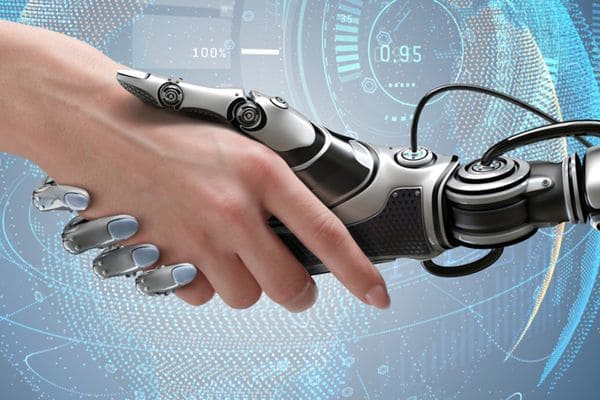
València and the IANética project, pioneers of technohumanism
In fact, a couple of years ago, thanks to the launch of the IANética technohumanism project at Las Naves, València was a pioneer of this vision.
In the Fourth Industrial Revolution it is said that humans, in order to keep pace with immersive capabilities, have to transform themselves. And indeed, it would be feasible to have AI-based personal assistants, but only as long as humans keep control over that technology.
Technohumanism holds that technology must always be at the service of people. And transhumanism holds that the human being must be transformed in order to keep pace with technology, but that is not the vision that was debated at this meeting.
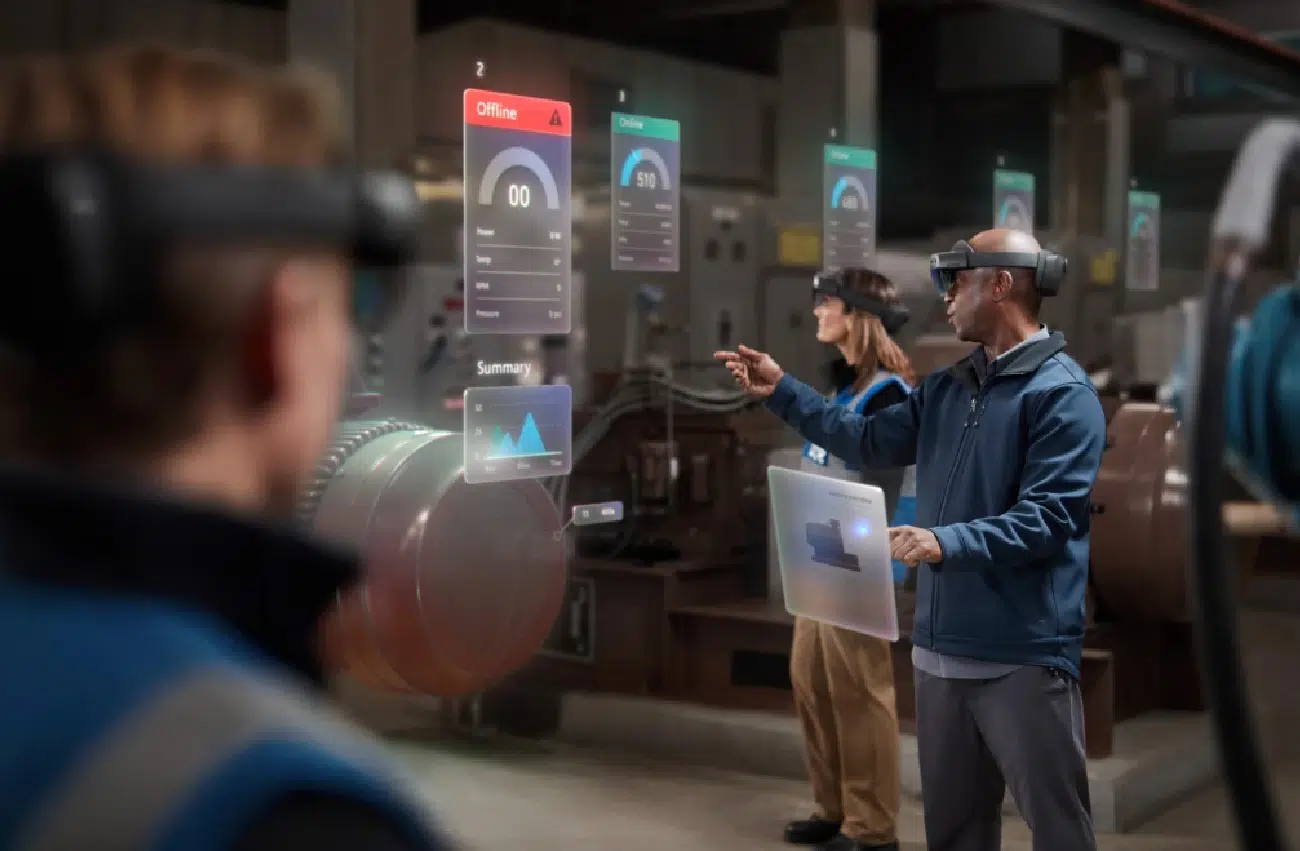
The Fourth Industrial Revolution says that everything that has not yet been digitalised must be digitalised. Creating smart factories is a very important benefit, since their aim is efficiency, environmental sustainability and zero waste.
However, this situation has another reading: the factory will be left in the hands of machines and therefore, more and more, outside human decisions.
Putting a brake on technological experimentation on people
In the last 10 years, we have seen robots that make deliveries practically on their own and factories that are practically digitalised. Neuralink, announced two years ago by Elon Musk, was the first human-machine neural implant. Or China’s Social Credit system, in which neighbours score each citizen. And these examples are all examples of transhumanism.
With this kind of technology the ethical debate is already opening up, along with the need to apply the brakes, because technology cannot be experimented with on people.
Thanks to projects such as IANética, and to international debates and congresses that are focusing on the necessary humanisation of technology, achievements as relevant as a first law, drawn up by Brussels and due to come into force in April 2023, on AI, which explicitly bans social credit .
All the large artificial intelligence models, combined with hyper-realistic human forms, through Augmented Reality, design or the metaverse, and without regulation, generate an emotional profile that is dangerous because people themselves do not even know each other emotionally. Companies should therefore have their access restricted until there is regulation around it.

Throughout the talks, there was discussion of how the technohumanist vision does not want a technological future unless it is human and at the service of people. And that is why the fundamental characteristic of the Fifth Industrial Revolution must be human empowerment. In this Fifth Industrial Revolution, mechanical, dangerous and routine tasks will be delegated to AI.
In this way, humans will be able to have more time to see through those tasks that only reason can carry out, and machines will be at the service of humans. And whenever the supremacy of humans over machines is endangered, a new reflection will be needed, with its corresponding regulatory framework.
Originally published in Spanish on IANética (2023). English version prepared for TecnoHumanismo.
Related articles
AECTA Congress. Interview with Pedro Mujica
Interview with Pedro Mujica on his opening talk at the AECTA congress on AI and Humanism: technohumanism and the Fifth Industrial Revolution.
Read article →5 min
Technohumanism and Human Empowerment: Foundations of the Fifth Industrial Revolution
At the AECTA Emerging Technologies Congress in Las Naves, Pedro Mujica opened with a talk on technohumanism and the Fifth Industrial Revolution.
Read article →5 min
I, Human: The Human Dimension of Technology
G. Matías de la Barra Aguirre takes us on a deep reflection on how to humanise technology and understand the essence of good business leadership.
Read article →2 min