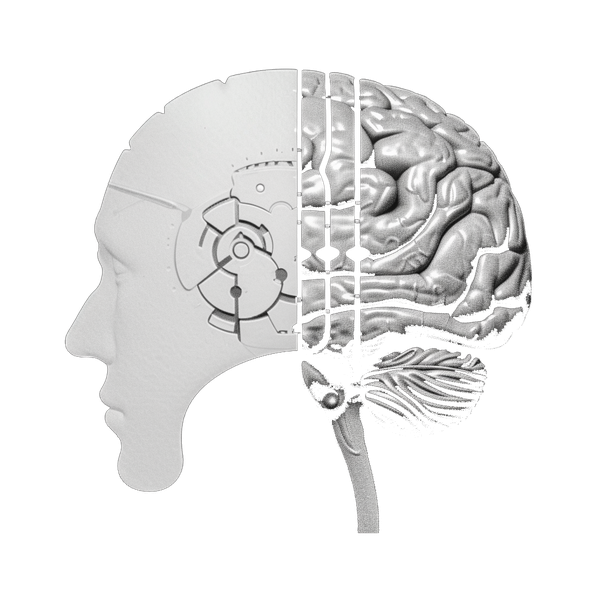

One of the most prominent debate panels at the 5th edition of Emergentes 2022, organised by the Association of Technology, Consulting and Innovation Companies of the Valencian Community (AECTA) and held at Las Naves, under the motto “Artificial Intelligence and Humanism” focused on the subject of good practices in Artificial Intelligence (AI).
The first question around this broad topic was whether it is necessary to approach technology projects differently from AI-based projects. In this regard, the speakers stressed that in AI projects the importance of data, and awareness of it, is imperative, both for the data itself and for the success of the project.
Another difference in how these two types of projects are approached is that, in those carried out with AI, there are times when it is not known for certain whether the planned objectives will be achievable, either because of a lack of data or because this kind of project has to generate new information that did not exist before.

Building mixed teams
Another of the big questions that came up regarding good practices in AI was the different methodologies to use in the two types of projects. There was consensus that, although the methodology most used for AI is Scrum, a process for carrying out a set of tasks at regular intervals in order to work collaboratively, there is a certain difficulty in applying a methodology in which the client appreciates the work being done in the project. But without doubt, one of the good practices in AI projects is to involve people and bring them closer by creating mixed teams. These should include part of the company’s staff together with the technical and design side that is carrying out the project.
It is also important, as the speakers explained, to look for challenges and see whether they can be achieved and, if not, to set others, but in any case to iterate quickly. They also highlighted the need to have, within this team, a “translator” profile who understands the business from a technical point of view, and another person who, from the business side, understands what is technically possible, in order to lower levels of frustration. And communication within the team is, in addition, a key element.

Hybrid technology-philosophy profiles
Alongside these proposals, another question around good practices in AI is the profile and skills needed to carry out this type of project. The experts agreed that, besides being a computer engineer, data scientist or model architect who works across all these disciplines together, the person should have knowledge or training in the whole business area, because it is very valuable. As for skills, they should be people who keep constantly up to date, who are not afraid to experiment and who adapt to the pace that AI demands. And along with that, it would be ideal to have profiles that combine technology with philosophy, because the ethical aspects of AI must concern us.
To reach this kind of profile, the biggest challenge, as they said at this panel, is finding them and, once found, retaining them in the company. Because, they explained, if it is hard to find certain technical profiles, it is much harder to find those hybrid profiles or ones with a 360º vision. Therefore, a call was made for the continuous training of these people and, as companies, for flexibility with remote work.
In short, the panel concluded with the idea that Spain cannot be left behind in the AI race, above all in applying AI to the business fabric and in bringing this technology closer to companies, since it is more accessible than companies think.
Originally published in Spanish on IANética (2023). English version prepared for TecnoHumanismo.
Related articles
AECTA Congress. Interview with Pedro Mujica
Interview with Pedro Mujica on his opening talk at the AECTA congress on AI and Humanism: technohumanism and the Fifth Industrial Revolution.
Read article →5 min
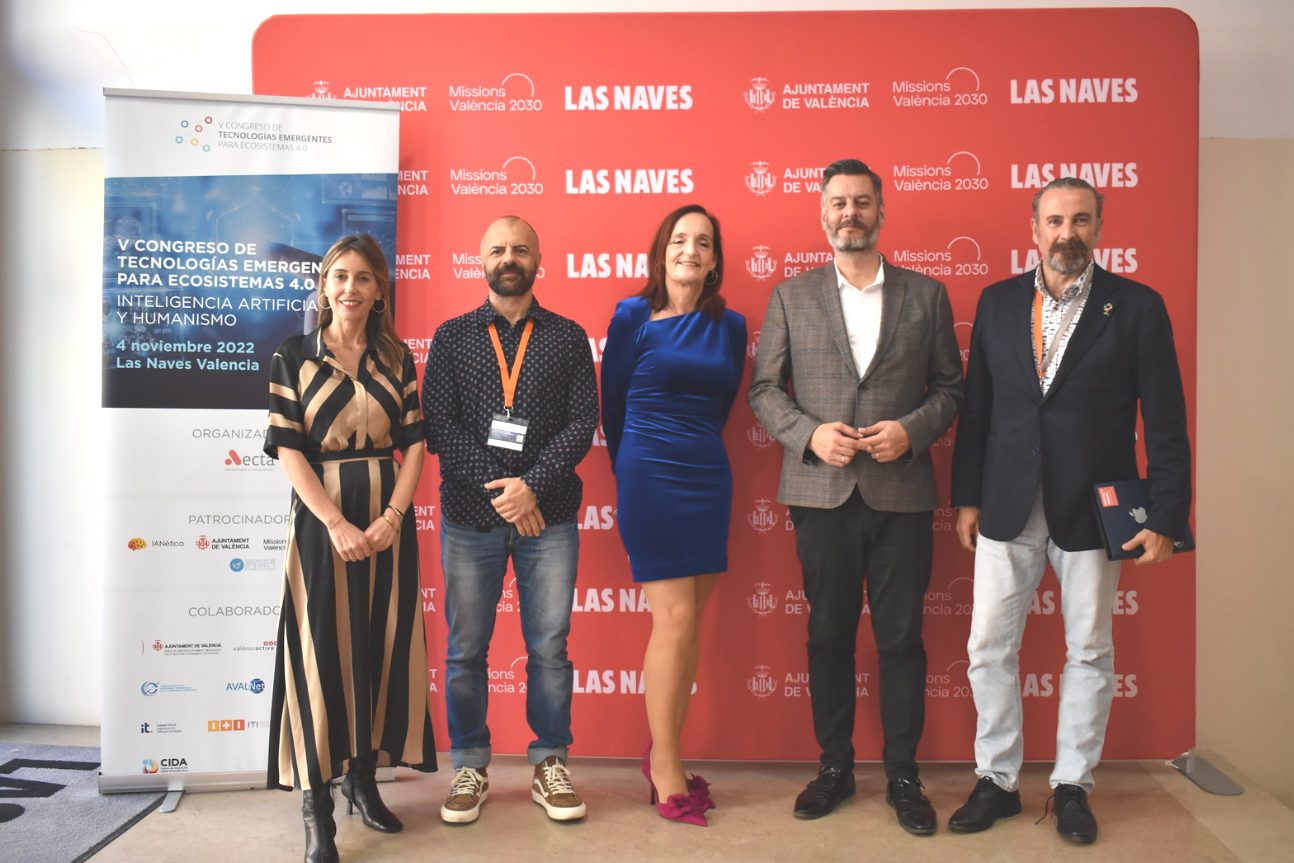
Technohumanism and Human Empowerment: Foundations of the Fifth Industrial Revolution
At the AECTA Emerging Technologies Congress in Las Naves, Pedro Mujica opened with a talk on technohumanism and the Fifth Industrial Revolution.
Read article →5 min
OPEN IANética TRAINING: Artificial Intelligence and Extended Reality in Education 4.0
Open training to promote ethics in artificial intelligence and the Internet of Everything. IANética project of Las Naves.
Read article →4 min