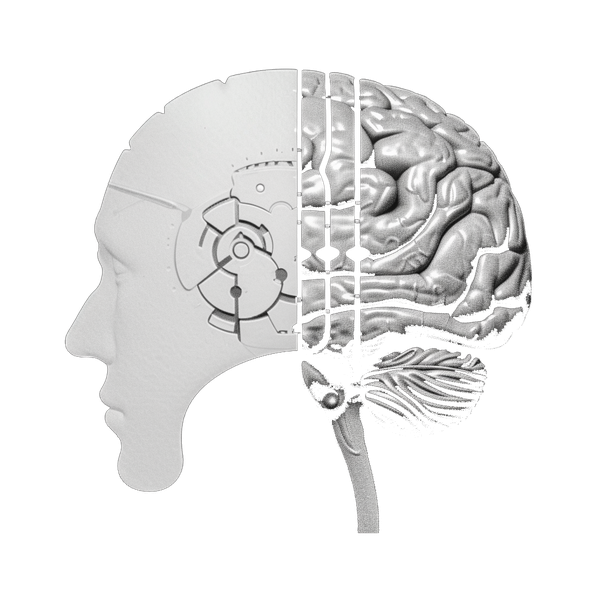

The human being of digital societies lives (and lives themselves) more on the digital plane than on the tangible one. Several factors have made this extension of existence possible, with the video game standing out as one of the most interesting from a phenomenological, philosophical and ethical point of view.
The video game must be analysed and reflected upon with the solemn consideration due to a phenomenon and, therefore, by making use of the tools that philosophy provides. It may seem that philosophy is an outdated, already obsolete discipline, with little to say about the world around us and the future that humanity’s steps are shaping. Yet reality is otherwise: philosophy does have something to say and, in all likelihood, it says it with greater accuracy than any other half-hearted attempt. Reflecting on what there is is precisely that: philosophy. A strange task nowadays. A strange task that cannot be carried out in the light of just any discipline. Reflecting on the world and on human realities calls for a scarce skill: knowing how to dig beyond what is comfortable, putting a finger on the sore spot.
A journey into the past. The first video game conceived with a commercial purpose, Computer Space, was released in 1971. However, the birth of the first video game took place in the academic and scientific sphere in the 1940s. From their dawn, video games have become something more than that [old-fashioned] activity designed to fill gaps of time and leisure. And, incidentally, to frighten fathers, mothers and entire societies: video games as antagonists of order and discipline, video games as the culmination of the hikikomori ideal. Video games as the byword that hurls the being into a world as diabolical as it is ruthless. As is often the case, the nature of video games is not merely playful, but can well take us further. So far, in fact, that they have become the ideal tool for extending our existence to the digital plane; for living and living ourselves—inhabiting and inhabiting ourselves—from places hitherto unknown. In and with the video game we delve deeper into what we believe and want to be and even discover other aspects and traits that make up our identity. Fragments of the self that we would never have unveiled. We experiment without risk on a plane where actions do not lead to punitive consequences. We play a role without eyes that accuse us. We visit realities we could never have known on the tangible plane. The video game is an extension of human existence and realities.

THE RECONVERSION OF THE VIDEO GAME
If the video game makes it possible to extend human existence to the digital plane, it is largely the result of technological progress: we have travelled from the pixel to the emulation of reality with such a degree of similarity that it is hard to tell which plane is being inhabited. What is more, it is not far-fetched to point out that there are no longer two clearly delimited planes, namely the tangible and the digital, but only one.
The hardware of consoles and computers has evolved. This statement does not uncover a new world, but it is worth mentioning in order to think about how we have reached the levels of emulation—or simulation—that we have reached. The software too. We have at our disposal machines that are something else, just like video games. The growing capacity to emulate reality from the digital has made it possible to strengthen players’ immersion. One feels part of what happens inside the screen, and can experience it.
If we compared a video game from the 1990s with a current one, we would notice something truly significant: thirty years ago we were quite clear that, in front of us, there was nothing but a television or a computer monitor. Things happened inside. And that is precisely it: things happened inside. Today we stand before a window that opens the way to another world, a window that expects us to leap through it to live countless adventures.
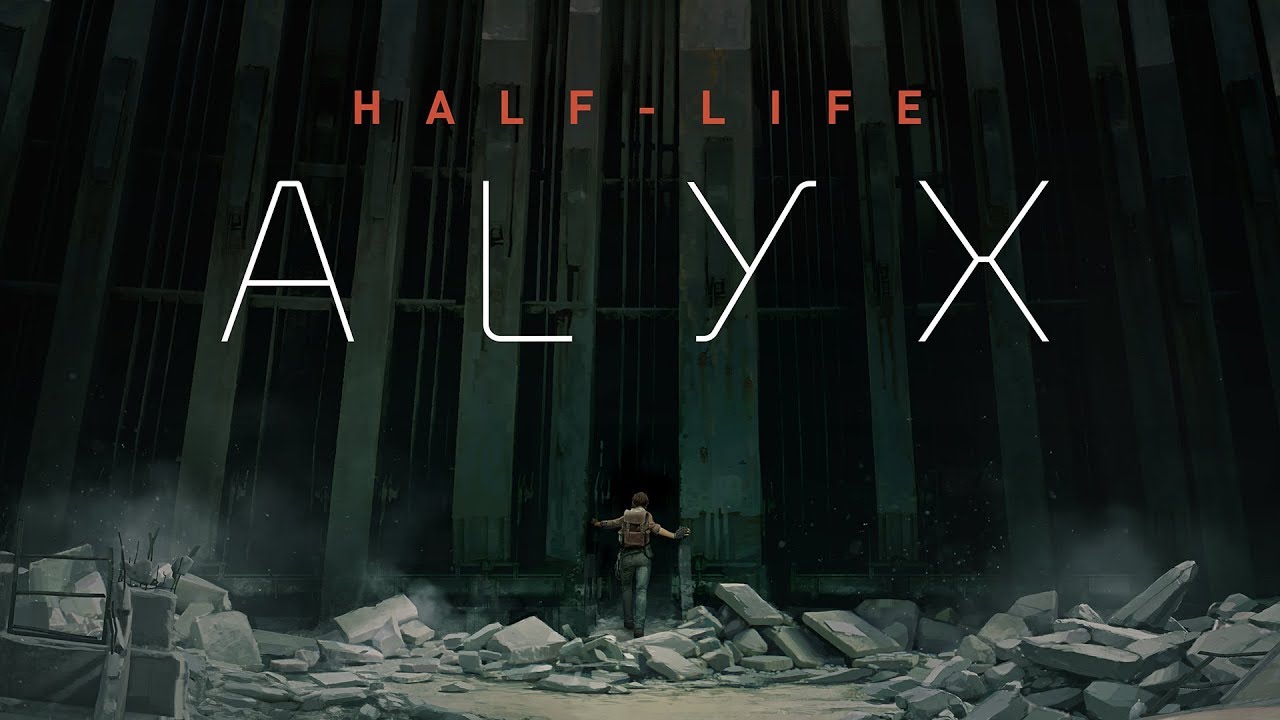
that highlight the importance of Virtual Reality and point the way to the future of Gaming.
With these valuable threads we begin to weave new perspectives. The video game is no longer spoken of with the derogatory tone of a few years ago, whose only intention was to reduce everything to the childish. One can speak—and indeed, one must—of human experience. Beyond the progress of technologies and human coexistence with them, quite a few titles incorporate themes that transcend play: stories, questions, problems and dilemmas that need to be reflected upon. They test us; they push, they set the gears turning. We do not merely pass the time, we keep on existing and shaping the world in another of its aspects, the digital one.
IDENTITY IS MORE
Starting a game is not simply a matter of eagerly pressing the start button. To be a little bold, we should not even speak of starting a game. Entering the world created and offered by the video game is synonymous with giving free rein to a genuine process of metamorphosis that far surpasses the Kafkaesque one: the passage from the tangible to the non-tangible, the abandonment of the biological body in favour of the digital body or wrapping. Zeros and ones in place of flesh, veins and blood. The video game lets us live (ourselves) while transcending the biological reality that we are. We do not need to drag our body into the world the video game offers us, for it gives us another one which, quite often, we can mould to our liking.
Leaving the biological body behind is leaving problems behind. It is also not dragging along prejudices and stereotypes. Breaking, perhaps, with social conventions and cultural biases. Identity can be savoured in all its breadth. There is no rule to comply with, no uncomfortable assumption to perpetuate. We can be who we wish to be, strengthening the dimensions of the human.
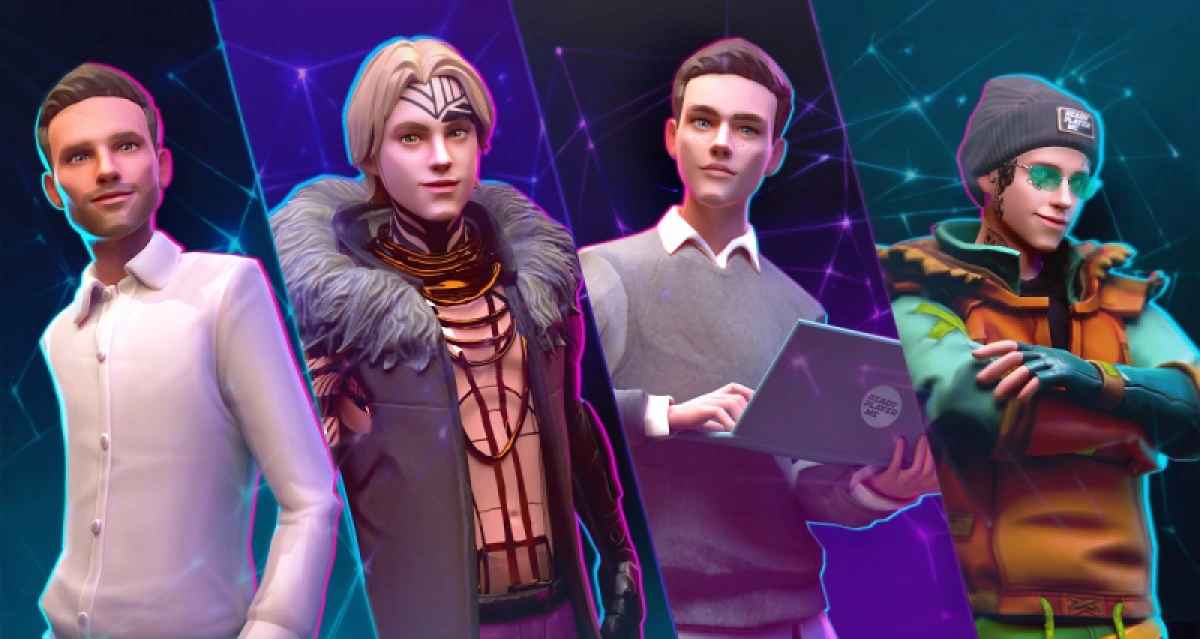
One of the most attractive—and dangerous—tools is undoubtedly the chisel that allows the being to be. Not all titles follow the same mechanics, but there is a great number of video games that let you design a character at the start of the story: the famous Sims, but also the main courses of From Software, which have greatly improved their customisation tools: Dark Souls¸ Bloodborne and the recent Elden Ring.
Similarly, one can experience the freedom of being who one wants to be by inhabiting an identity that is already given, that is, living the story through a character that has already been created. The Last of Us, one of the best titles of the last decade, tells a story through two pre-made characters, Joel and Ellie, whom we control with the controller. Even though they come already defined, they allow us to experience from something different from what we are.
WHOEVER HOLDS THE CONTROLLER OR THE MOUSE IS THE PROTAGONIST
Just as the video game has gone through successive phases of change, players have embarked on the same journey of transformation. The figure of the player has evolved from the one who sat in front of the television or computer and, from the tangible plane, controlled the given character, to taking an active part in the story being told, even being able to change the course of events. It is no longer a matter of advancing in a straight line or simply ticking the boxes. We intervene in the worlds created and offered by video games, shaping them through our power of agency.
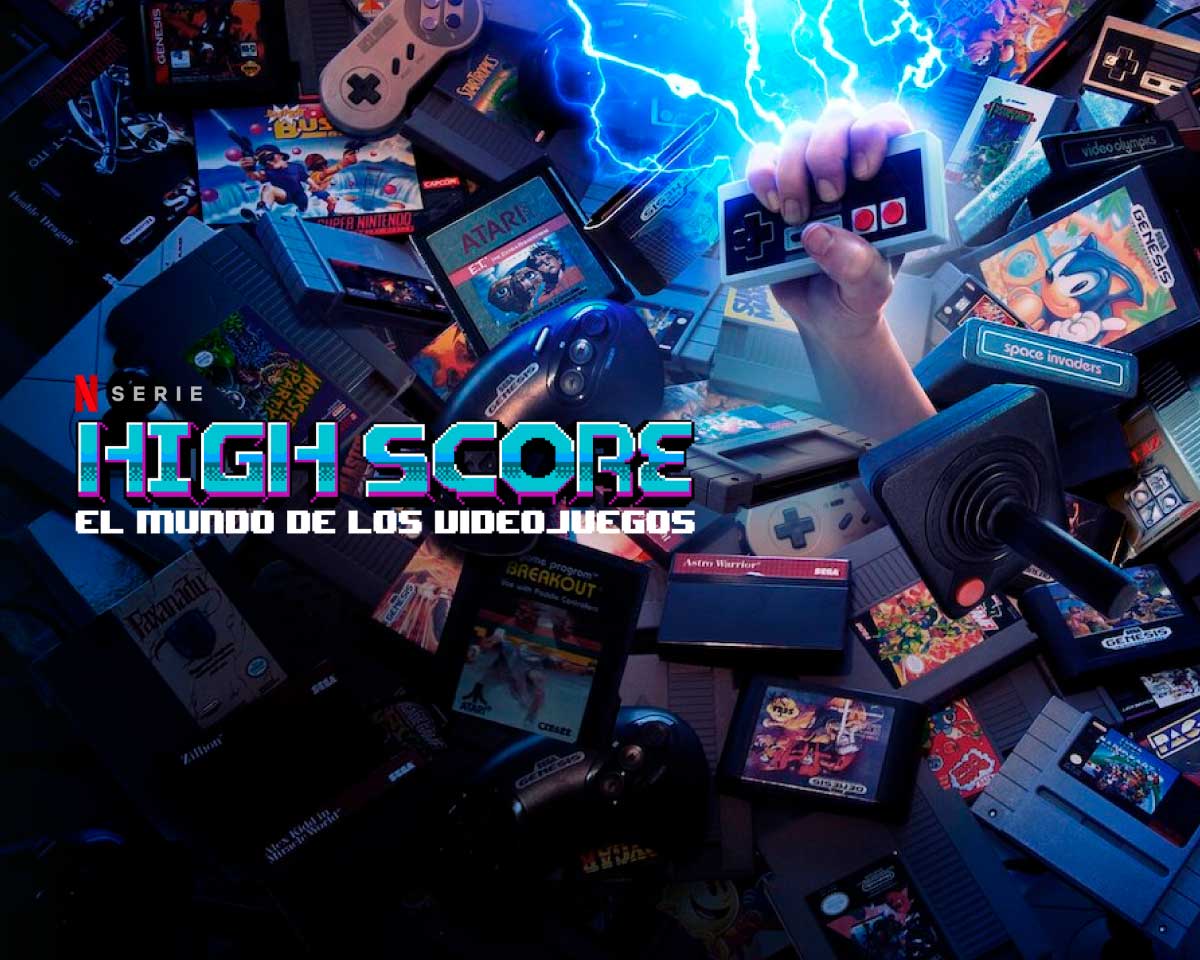
video games and introduces the very visionaries who brought these worlds and their characters to life.
EVERY ACTION HAS A REACTION
Deciding is a purely human activity. The video game puts many cards on the table: acting from our value system or reconfiguring it, acting from the self or pretending (to be someone else). The expected or the alter ego. This connects with the free configuration of identity and the studies by Lee Rainie and Barry Wellman on the social operating system: interconnected individuals hold the wonderful power to design their identity, doing so according to who they are in real life, or not.
Video games of the next gen have brought with them a new conception of the player: not a mere spectator, as in the case of cinema or literature. The video game invites us to live it in the first person. They therefore promote the capacity to make decisions: whoever holds the controller is the protagonist. We are no longer patient observers, external and distant.
With the clock hands running in our favour, the decisions made in the worlds offered by video games are, by any measure, interesting. Strange as it may seem, we have all the time in the world to decide and, besides, we can retrace our steps as many times as we like. Game time is not the time of the reality of the plane considered tangible. The biological body remains, while the hands of the clock have raced ahead on another plane of existence. What we cannot escape are the consequences that follow from our acts. Although these bring, in no case, punishments on the tangible plane, they can provoke the same—and Sartrean—feeling of anguish. Let us remember that we play from the first person that we are:
- We have the possibility of projecting or reflecting ourselves in the game just as we inhabit the tangible plane, extending both our existence and our value system.
- There is another path, which is to play the cards we would never play from the biological body and real reality.
Be that as it may, the video game places us before the consequences of each action carried out, a fundamental matter for learning. Various developers have released video games that force the player to make interactive decisions throughout the whole story: Heavy Rain, Beyond Two Souls, Life is Strange or The Walking Dead. In the world created by one of these video games, Life is Strange, some of the decisions we make completely change the course of the story.
AND WHAT ABOUT ETHICS?
We cannot—and must not—disengage from the world around us, even when it is not as tangible as it used to be. Despite living immersed in digital societies, we tend to flee from the responsibility that stems, precisely, from the digital plane. When we speak of extending human existence to a plane that transcends the physical, we are intervening in another world. Today we no longer enter a video game solely to have a good time or kill time in the absence of punitive consequences. Similarly, we establish bonds with other human beings, not only with NPCs:
- We share experiences and relate to one another.
- Players have built a collective wisdom and culture around the worlds created by video games.
- Through the video game, new modes and channels of language have been born.
- We deliberate, make decisions and carry out actions.
We live and we live ourselves. We inhabit and we inhabit ourselves, in short. Sharing experiences—relating to one another—implies following rules, adapting the usual social conventions to the new world. Although no punishment follows from our actions inside the video game, they do need to be reflected upon, insofar as they reveal how we are, individually and as societies. The video game may well be a tool for direct analysis of the human being.
Originally published in Spanish on IANética (2022). English version prepared for TecnoHumanismo.
Related articles
Technology and Individualism: The Right to Remain Human
Rising depression, loneliness and child and youth suicide are multifactorial, but technology is one of their main drivers in recent years.
Read article →4 min
Ethics of Advanced Robotics and Humanoids
As advanced robotics and humanoids take hold, an essential debate on ethics emerges: how to integrate AI into robots while protecting human dignity.
Read article →6 min
The Right to the Integrity of Being in the Age of Neurotechnology and Cyborgization
Neurotechnology and cyborgization promise advances in medicine and communication, but raise ethical challenges for autonomy, privacy and human integrity.
Read article →6 min