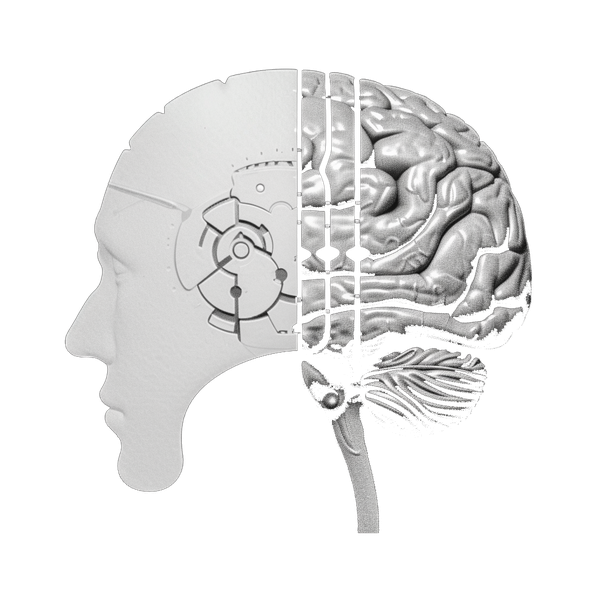

At the confluence of technological evolution and the search for a sustainable future, revolutionary concepts emerge such as Technohumanism, Resilience and Edadismo (the wisdom of age). These philosophies propose a balanced, reflective approach to integrating technology into our lives, emphasizing the importance of maintaining a harmonious coexistence with the digital tools that surround us.
In this article we focus the three concepts on a Harmonious Coexistence with Technology, exploring how these ideas can guide us toward a future in which technology not only advances our goals and efficiency, but also nurtures and respects our humanity, collective wisdom, and emotional and social well-being. This multifaceted approach advocates a technological integration that is conscious, ethical and deeply human, ensuring that as we embark on unprecedented paths of innovation, we remain rooted in the values and principles that define our essence as human beings.
Introduction to Technohumanism and Its Meaning
Technohumanism emerges as a philosophical and cultural movement that seeks to harmonize the relationship between the human being and advanced technology. In a world increasingly dominated by artificial intelligence, robotics and digital progress, Technohumanism raises the need to redefine our relationship with technology, focusing on how it can complement and enrich the human experience. This approach considers technological development not only in terms of efficiency and productivity, but also in how it can improve human well-being and promote a more equitable and conscious society.
Technohumanism as a Bridge between Technology and Humanity stands at the crossroads between the indiscriminate use of technology and its complete rejection. It proposes a synthesis in which technology adapts to human needs, respecting our ethical and cultural values. This movement advocates a use of technology that is inclusive, sustainable and mindful of the long-term impact on society and the environment. In doing so, Technohumanism seeks to create a future where technology serves as a tool for solving global problems, improving quality of life and fostering a deeper sense of community and connection among people.

Resilience in the Age of Technological Transformation
Resilience, in the context of Technohumanism, refers to the ability to adapt and thrive amid rapid technological change. This resilience is not only technological but also emotional and social, allowing people to face the challenges and opportunities of the digital age. Education and lifelong learning are key to developing this resilience, equipping individuals and communities with the skills and knowledge needed to navigate a technologically advanced world. Moreover, resilience implies a deep understanding of how technology affects our mental health, our social relationships and power structures, and of how we can use it to strengthen, rather than weaken, our humanity.
Furthermore, resilience in the age of technological transformation includes the capacity of societies to anticipate, absorb and adapt to the potential negative impacts of technology. This means not only preparing for changes in the labor market and the economy, but also addressing the digital divides that may arise between different sectors of society. Fostering a culture of digital inclusion and ensuring that everyone has access to technological tools and resources is essential to building a truly resilient society. It also means recognizing and addressing the disparities in how different groups experience and benefit from technology, ensuring that no one is left behind in this rapid advance toward the future. Ultimately, effective resilience in the digital age requires a balanced approach that values both the technical and the human aspects of technology, promoting development that is sustainable, fair and beneficial to the whole of society.

Edadismo: Embracing Wisdom in the Digital Age
Edadismo, derived from the Spanish word ‘edad’ (age), is a philosophy that advocates wisdom and perspective in our interaction with technology. At a time when speed and novelty often dominate conversations about technological development, Edadismo promotes a deeper reflection on how and why we use technology. This philosophy stresses the importance of making technological decisions that are in line with enduring human values, such as compassion, community and care for the environment. In doing so, Edadismo seeks to foster a more conscious and sustainable approach to technological progress, one that values the wisdom accumulated over generations and considers the legacy we leave for the future.
Edadismo, in its essence, also invites a critical assessment of the omnipresent role of technology in our lives. It asks whether technology is serving humanity or whether, instead, we are serving the imperatives of technology. This philosophy suggests that age and experience should be regarded as fundamental values in shaping our technological future. It advocates integrating intergenerational perspectives into technological development, ensuring that the voices of all ages are heard and respected. By honoring the wisdom of older generations and combining it with the innovation and energy of younger ones, Edadismo offers a balanced and rich vision that can lead to more humane, ethical and effective technological solutions. This holistic approach ensures that as we embrace the latest innovations, we do not lose sight of the lessons and values that have sustained societies throughout history.

Shaping a Sustainable, Humanist Technological Future
In conclusion, the fusion of Technohumanism, resilience and Edadismo presents a promising path toward a harmonious coexistence between humanity and technology. These approaches offer a vision of the future where technology advances not only in capabilities and efficiency, but also aligns with human values and needs. The key to this sustainable, humanist future is an ongoing commitment to education, ethical reflection, and an appreciation of wisdom and resilience as the foundations of our technological progress. By embracing these principles, we can ensure that technology serves as a positive force for human well-being and for the prosperity of our planet.
Originally published in Spanish on IANética (2023). English version prepared for TecnoHumanismo.
Related articles

Technology and Individualism: The Right to Remain Human
Rising depression, loneliness and child and youth suicide are multifactorial, but technology is one of their main drivers in recent years.
Read article →4 min

The Right to the Integrity of Being in the Age of Neurotechnology and Cyborgization
Neurotechnology and cyborgization promise advances in medicine and communication, but raise ethical challenges for autonomy, privacy and human integrity.
Read article →6 min
Good Practices in Artificial Intelligence
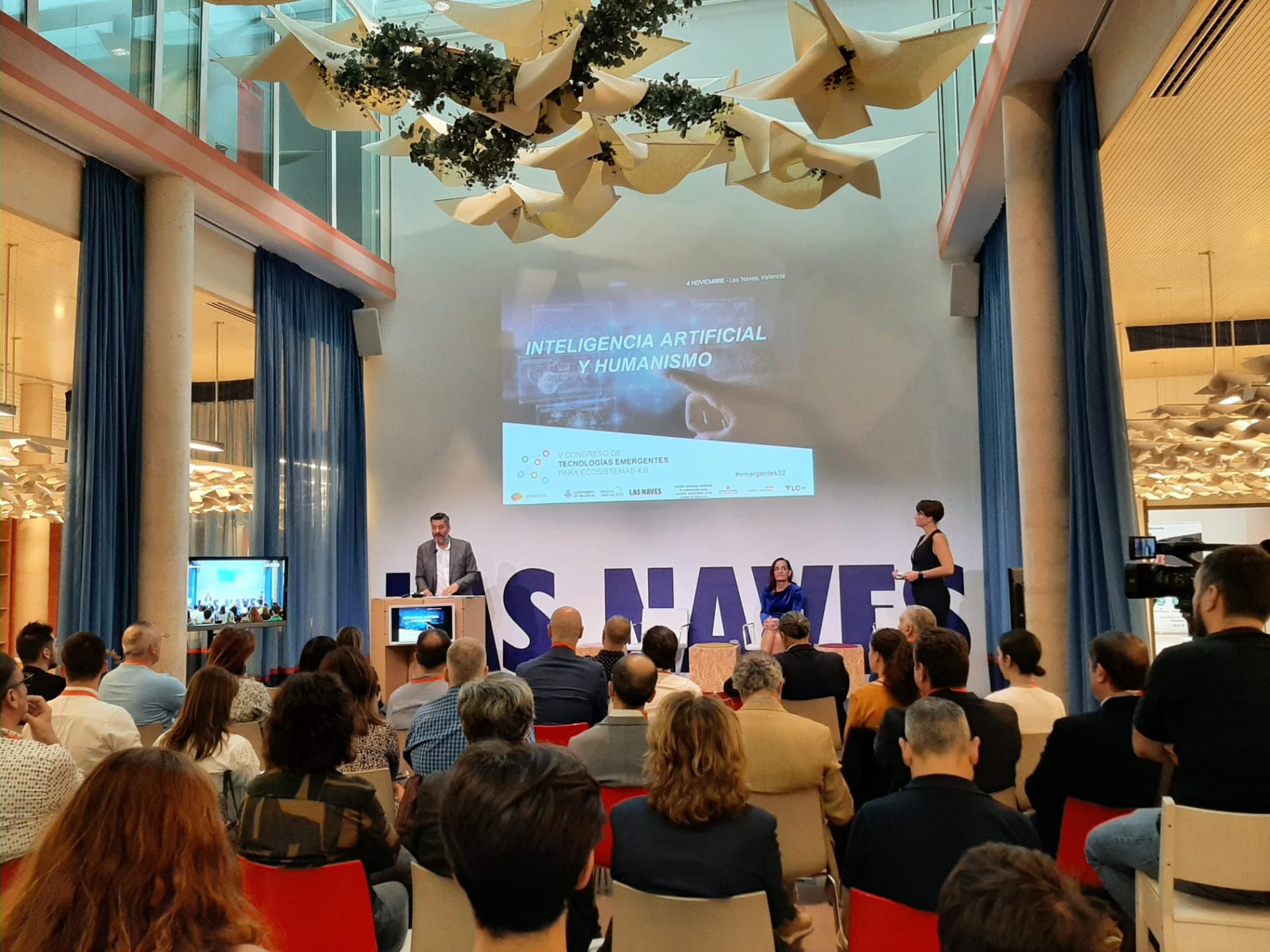
A standout panel at the 5th Emergentes 2022, organised by AECTA at Las Naves, discussed good practices in AI under the motto “AI and Humanism”.
Read article →3 min