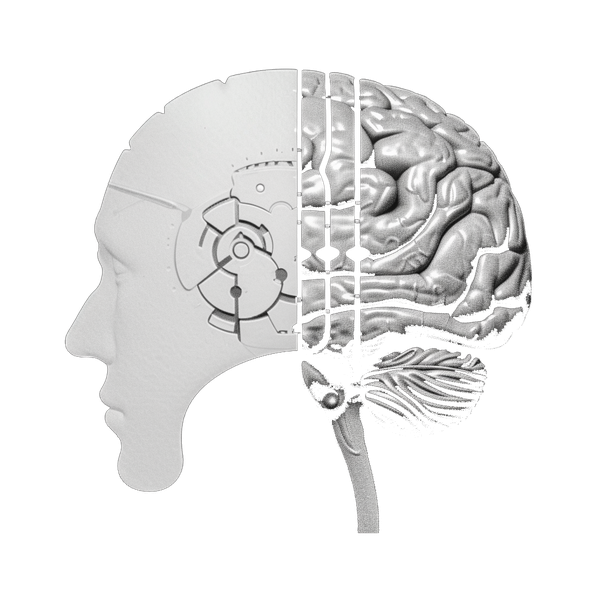

The right to education is a fundamental right enshrined in the Charter of Human Rights and in the Spanish Constitution. This right extends to the digital sphere as well. Education, like any other sector of activity, is also immersed in the processes of digitalisation and transformation driven by technology and by new models and ways of doing things in an increasingly digital world.
In Spain, digital rights are regulated by the Data Protection and Guarantee of Digital Rights Act. And among those rights is the Right to digital education. But the current education system is not reaching the required speed to ensure that the Fourth Industrial Revolution, the genesis of technohumanism, is, first and above all, HumanoCentric (human-centred). We are still living with the legacy of a 19th-century education, with 20th-century teachers and students who need to prepare for the 21st century.
Both young people, mostly digital natives, and adults who have not yet joined digitalisation feel disoriented in the face of a growing infoxication (information overload) and look for solid reference points to help them understand the New Reality of this disruptive Technological Revolution.
It is from this context that technohumanism proposes a new path in which all technological resources, processes and systems are used to innovate in the education system, fostering a change in which the humanities hybridise with science and technology, and together become the core subject of the new citizens. Turning them into Technohumanist assets.
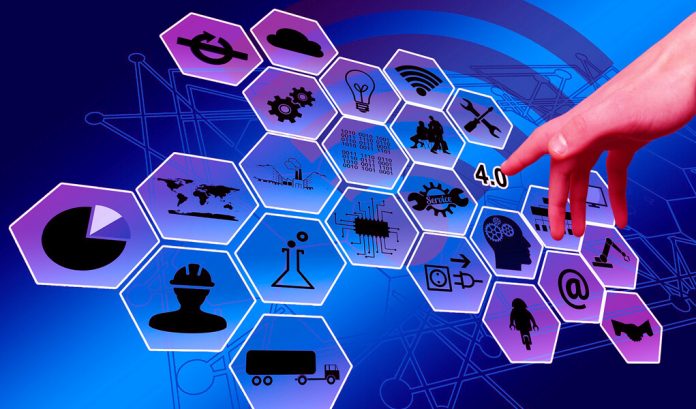
“The time for TecnoEducation has come”: Educating in the New Digital Society through Mética (knowledge grounded in intuition and experience) and the safeguarding of the values of the Human Being.
Although this term has already been used with other meanings, here we use it to refer to education from the Technohumanist approach, understood as a basic need for achieving adaptation to, and knowledge of, the new digital society, fostering continuous self-learning, creativity and innovation.
We are in the best position to make it possible. Remote work and remote education have been strongly boosted by the current situation, making eLearning one of the best-known options today. Learning through the Internet, by videoconference, by watching an online tutorial, by playing a game, or taking online courses, programmes and even degrees at a distance, are no longer resources reserved for the most digitalised.
Now is the time to insist on the need for the population, regardless of age or situation, to learn how to use the methods, systems and processes characteristic of Technology, and to understand that once this learning has begun it should never stop. Technology goes beyond devices; we must learn constantly and at the same time teach how to solve real, close-to-home problems.
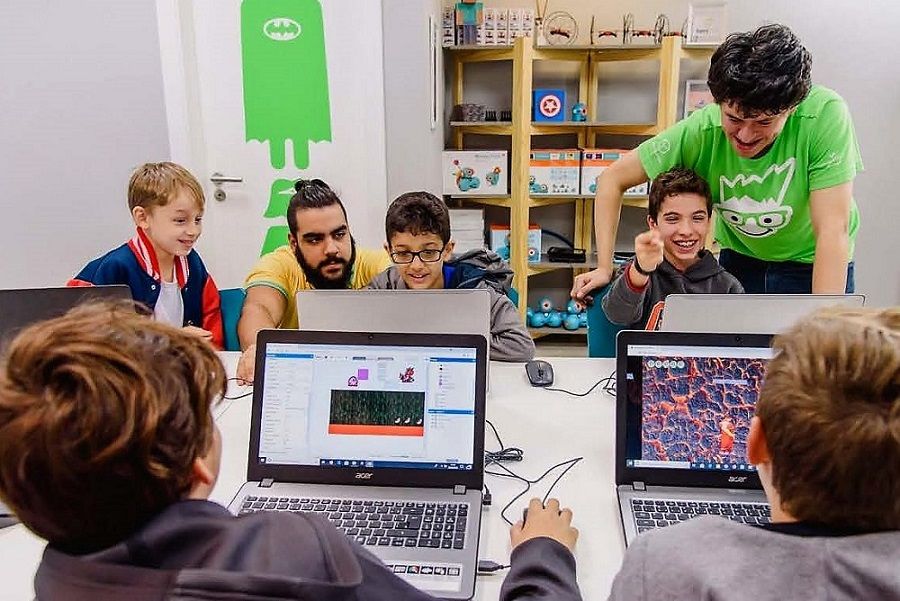
Education 4.0 must develop in step with the Fourth Industrial Revolution and shares its 4.0 Technologies with it. Despite 2030 having been set as the goal for making it tangible, it is gradually becoming a necessary option whose digital tools are constantly evolving, teaching teachers and students how they must learn to cope in the accelerated world in which we live.
The emerging technologies of the Fourth Industrial Revolution such as Extended Reality, Artificial Intelligence, Big Data, Blockchain, Robotics and Cobotics, or the Internet of Things (IoT) are already having an unprecedented impact on industry, the economy, communications, the way of doing business, marketing, systems and politics, among many other fields. In the context of Education 4.0 these technologies are beginning to be applied in almost every area of Learning, so that teachers and students alike, regardless of their age, income level or location, must be prepared for the new dynamics that their integration brings.
This means that they must learn a series of skills and abilities that allow them to be competitive and to adapt to the constant changes that occur at ever greater speed. Some of these competencies are the ability to solve complex problems, teamwork, communication, adaptability, emotional intelligence, critical thinking and, above all, computational thinking.
But for this learning of skills and abilities to be truly effective, it is essential first of all to understand what the key aspects of this new Learning 4.0 are. These depend directly on the integration of the Emerging Technologies of the Fourth Industrial Revolution in the classroom, which is what will make it possible to reach the objectives set for the new education in this decade of 2030.
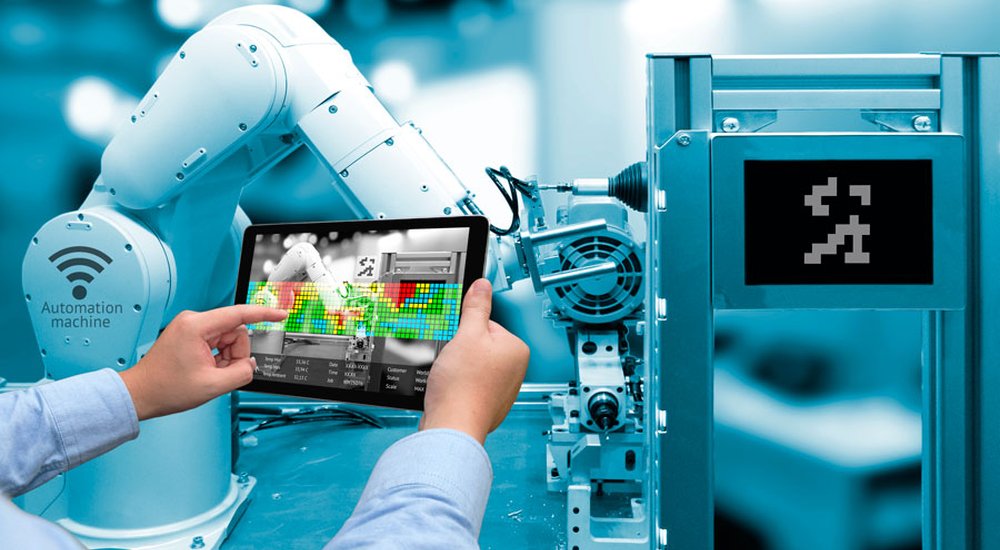
The key to the new Education 4.0, associated with the Fourth Industrial Revolution, is people. Technology is only the tool which, well conceived, adds value to this new Talent 4.0. It will therefore be crucial to align the management of individuals’ capabilities with the society’s digital transformation strategy from a global and multidisciplinary perspective, placing emphasis on both stimulus and development.
Besides technology, Education 4.0 rests on three other fundamental pillars not directly related to technology but whose development will be decisive thanks to digital transformation: the personalisation of learning, schools as centres for talent development, and finally the learning of key 21st-century competencies.
- Personalisation of learning: just as Industry 4.0 must address and satisfy the completely individual demands of each customer, and do so on the basis of data analytics and of the sensors, processes, data and people of the Internet of Everything, Education 4.0 must be based on the personalisation of learning thanks also to the analytics of data derived from the progress of learning itself (Learning Analytics). The School 4.0 will offer learning personalisation services both inside and outside the classroom, attending to cognitive and non-cognitive dimensions. The individual student thus becomes the great focus of Education 4.0. An example of this trend towards personalisation are platforms such as School Improvement Network’s GAGE or Renzulli Learning.
- Schools as centres for talent development: Education 4.0 is based on policies and programmes for the management of the talent of all students according to their learning potential. It is essential to identify the learning potential of all students through Talent Search processes, enrich the curriculum for all students and develop specific programmes for the talent development of the most able that allow them to learn at their own pace and speed.
- Learning 21st-century competencies: the teaching of Education 4.0 focuses on acquiring 21st-century competencies, especially all those that robots cannot perform: creativity, assertive communication, teamwork, creative thinking, innovation, networking in work and collaboration networks, emotional intelligence, or resilience.
In the more privileged schools, data-driven technologies are already implemented to support teaching and learning, bringing efficiency and a better learning experience. Students with experience in digital technology are more likely to meet employers’ expectations. The only truly lasting Education in the New Digital Society will be the one that we ourselves can create and apply, adapted to our needs and to our own pace. To move forward in this new way of learning, technohumanism proposes the recovery of Mética, knowledge based on intuition and experience, and, together with the Anthropocentric approach, the creation of a new Education System that uses Technology as its main tool. Hybridising it with the Humanities and thus defending the true essence and values of the Human Being against the dehumanisation typical of this 21st century.
Originally published in Spanish on IANética (2022). English version prepared for TecnoHumanismo.
Related articles

Education in 2030 and the Key Aspects of Learning 4.0
Education 4.0 must develop alongside the Fourth Industrial Revolution and shares its 4.0 Technologies. These are the key aspects of Learning 4.0 for 2030.
Read article →6 min

Nine Tools of Education 4.0
Education 4.0 rests on technological tools that make it work in practice. To apply it well, we need to know them in depth and use them to gain…
Read article →3 min
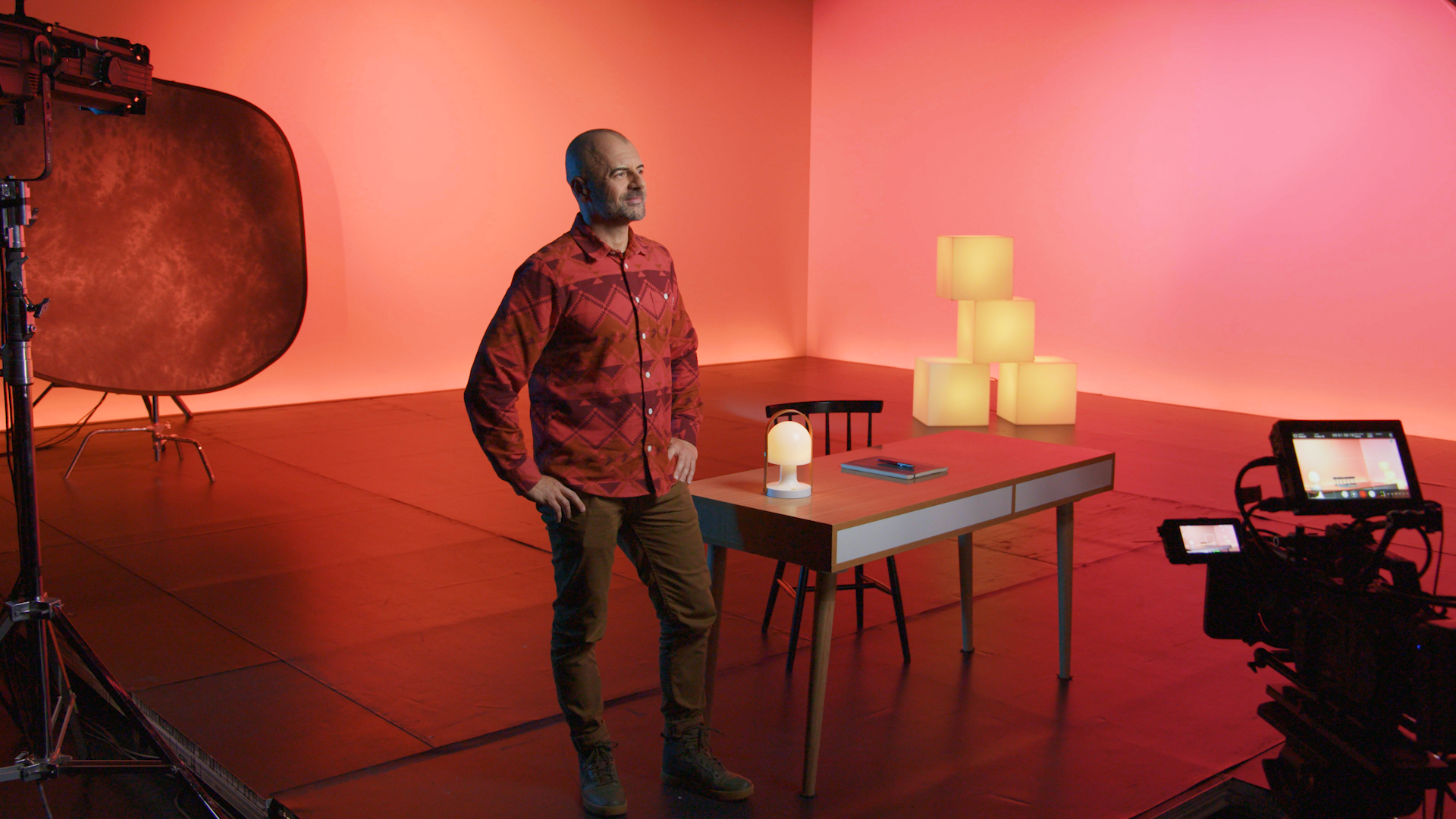
Searching for Vocations. Universidad Europea and ATRESMEDIA
A 7-minute report for Universidad Europea and ATRESMEDIA in which Pedro Mujica discusses the future of professions and computational thinking.
Read article →3 min