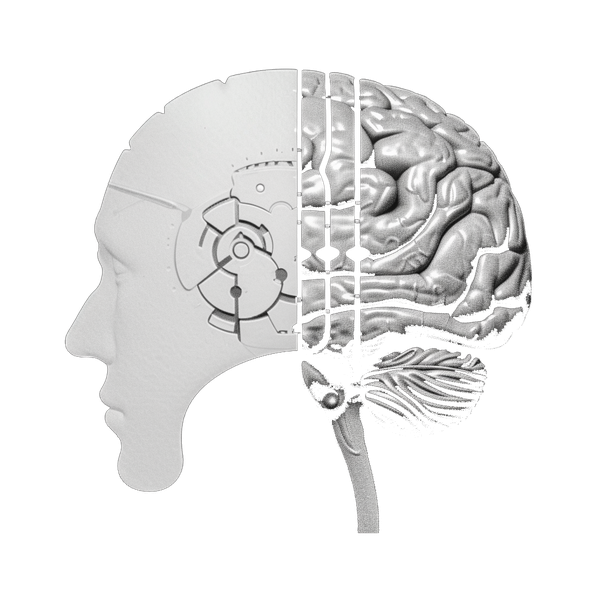

Education 4.0 rests on the various technological tools that make it work in a functional and operational way. To apply and implement it effectively, it is necessary to know them in depth and use them to gain the necessary experience.
The first phase to consider in the transformation of teachers towards the new Education 4.0 is technological updating and training, so as to face and adapt, professionally and in the workplace, to this new model demanded by Industry 4.0.
As in industry, Education 4.0 is about generating a new revolution in educational models, since it seeks to give new generations training in the competencies required by the new era which, besides technology, has to do with everything that machines cannot do and in which human beings make a difference.
Schools and educational centres, faced with the need to create Education 4.0 environments quickly, are using various platforms and tools that make it possible to deliver classes to students remotely, in a decentralised way and adapted to the needs of each of them.
Following this idea, here are some of the main tools that are trending in classrooms:
1. Google Classroom. A B-Learning platform that lets students and teachers save time, communicate and get organised. This tool promotes the combination of face-to-face training (with teachers in a classroom) and online education (courses on the internet or digital media). B-learning takes advantage of the benefits of both methods. Google Classroom makes it possible to speed up tasks, boost collaboration and encourage communication.
2. Moodle. A learning management tool designed to give educators, administrators and students a single, secure, integrated system for creating personalised learning environments. Moodle uses student-centred tools and collaborative learning environments that empower both teaching and learning.
3. Blogger. The blog has become one more educational resource. For this reason, Blogger serves as a platform for producing content of any kind, in any form and for any sector. It is a simple system whose only purpose is publishing texts or disseminating information.
4. Symbaloo. An online platform for content management. With Symbaloo, educators have full control over deciding when collections of resources or Lesson Plans will be available to students.
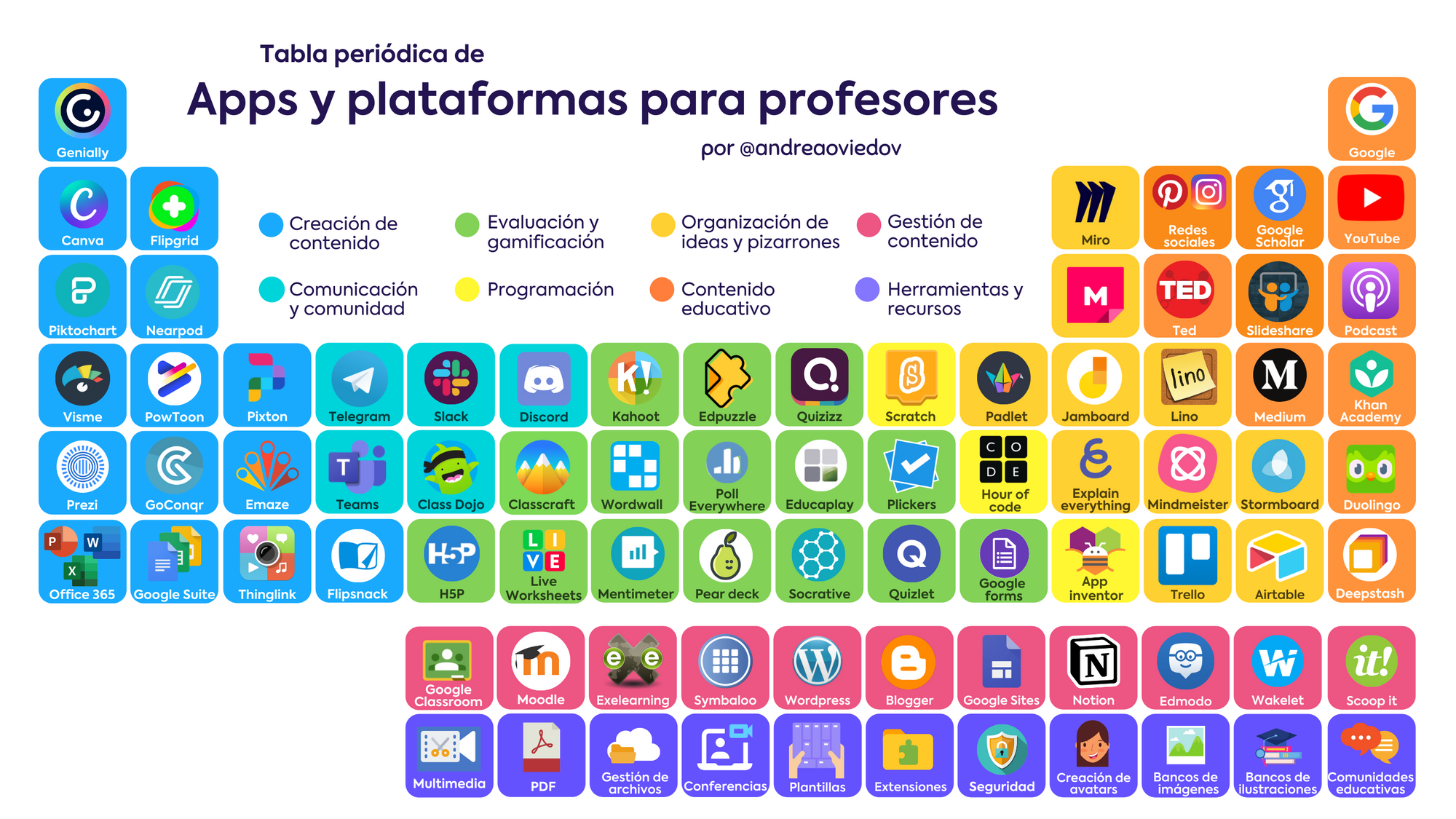
5. Genial.ly is a new tool that brings content and presentations to life, a new generation of infographics, videos and communication experiences for the classroom.
6. Prezi. With this program, teachers can create presentations to explore and share ideas on a virtual document. This tool allows online work and is a powerful resource for its visual impact in creating visual effects.
7. Trello. With this online project manager, teachers can organise their educational projects efficiently. Like any online tool, it has some very interesting additional functions, including setting up calendars or alarms. Teams, activities and projects are some of the elements it lets you manage.
8. Net monitor. With Net Monitor for Classroom, teachers get a practical application that lets them view the desktop of remote computers on a network. This application can be especially useful for classrooms where the activity of several students has to be monitored simultaneously.
9. Screencast- Omatic. The screencast is a very effective technique for sharing ideas and knowledge. It is a very useful tool for conveying concepts and showing processes through high-quality videos. Traditionally, they are a great resource for creating educational videos.
Originally published in Spanish on IANética (2021). English version prepared for TecnoHumanismo.
Related articles

Education in 2030 and the Key Aspects of Learning 4.0
Education 4.0 must develop alongside the Fourth Industrial Revolution and shares its 4.0 Technologies. These are the key aspects of Learning 4.0 for 2030.
Read article →6 min

The Right to Education in the New Digital Era
The right to education, a fundamental right enshrined in the Charter of Human Rights and the Spanish Constitution, also extends to the digital sphere.
Read article →6 min
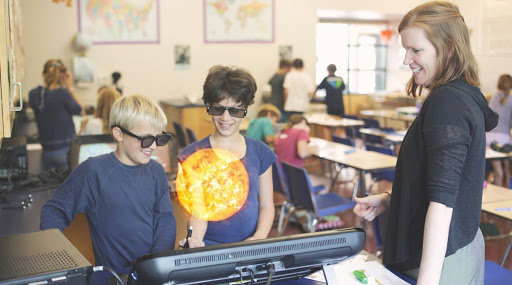
OPEN IANética TRAINING: Artificial Intelligence and Extended Reality in Education 4.0
Open training to promote ethics in artificial intelligence and the Internet of Everything. IANética project of Las Naves.
Read article →4 min