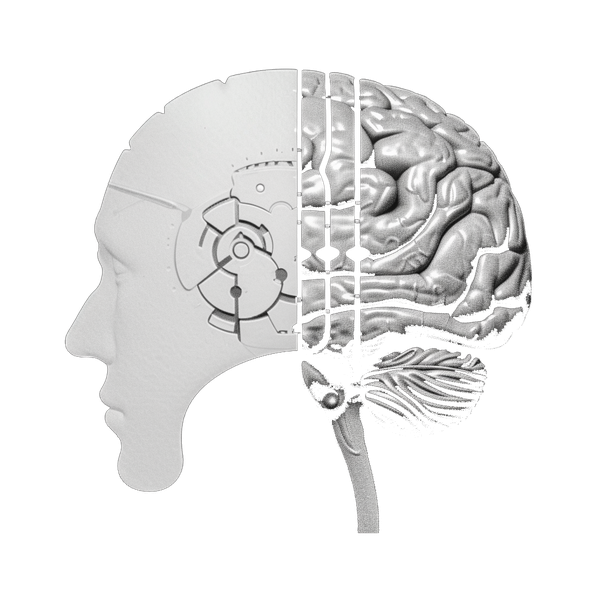

Digital identity is made up of the user’s data present in the Digital Ecosystem and on the Internet, as well as their actions, opinions, photos, videos, browsing, interactions and digital footprint, but also of what others have published about them. In terms of managing digital identity and protecting it through a fundamental right, the key areas of concern are privacy and security.
The right to Digital Identity refers to the protection afforded to personal information found on the Internet, in the new Metaverse and, in general, across the whole Digital Ecosystem. This right must ensure that people have control over how their information is used and shared, as well as protect their privacy and prevent the misuse of their data.
In many countries, the right to digital identity is already covered by laws and regulations that set limits on the use of personal information. In most of those that have enacted Personal Data Protection Laws, it is established that everyone has the right to know, update and rectify their personal data held by a company or entity. In Spain, for example, the General Data Protection Law establishes that companies must obtain people’s consent for the processing of their personal data and guarantee its security.
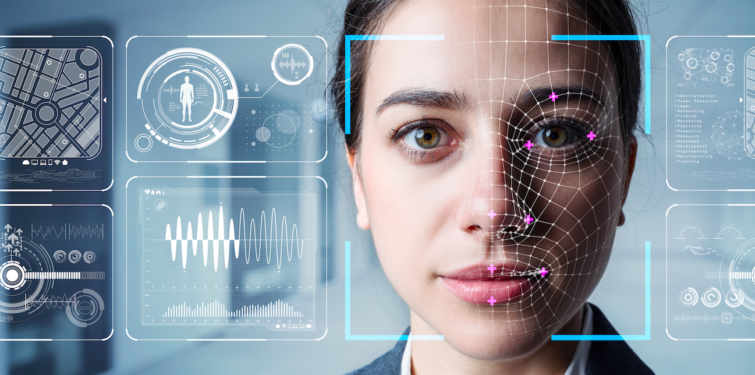
However, even though laws and regulations protecting the right to digital identity exist, there are many challenges in ensuring compliance in this Digital Age and its accelerated pace of change. One of the main challenges is the population’s lack of awareness and knowledge of this right. Many people are not aware of the implications of using the Internet, Social Networks, or the new Metaverse in terms of privacy and the protection of personal data. In most cases, people do not read the terms and conditions of digital services and, as a result, are unaware of how their information is used, or of the digital footprint that is being stored.
But the biggest challenge is the lack of effective regulation. Although laws protecting the right to Digital Identity exist, they are not sufficient or are not adequately enforced. This is possibly due to a lack of resources to enforce the laws, or to a lack of knowledge or training on how to protect one’s own privacy. Moreover, in many cases, companies do not adequately comply with existing regulations on the protection of the personal data that make up digital identity. There are various reasons, such as business models designed to profit from the use of users’ personal information, or a lack of awareness of the importance of protecting users’ privacy.
To face these challenges, it is important to promote greater awareness and knowledge of the right to digital identity. This includes educating people about the implications of using the Internet, Social Networks, Virtual Worlds and the new Metaverse in terms of privacy and the protection of personal data, as well as protecting their integrity and preventing impersonation. Regulation must be strengthened and its enforcement ensured, through greater investment in the digitalization and updating of the institutions responsible for enforcing the laws and regulations that underpin this important right.
THE INTEGRITY OF DIGITAL IDENTITY
The gaps in the protection and regulation of Digital Identity are very often exploited by individuals and organizations that aim to discredit a person or brand with malicious information published on the Internet and, above all, on Social Networks. This is the work of so-called “Trolls”, users who are hard to identify because they usually use one or several fake profiles, even going as far as impersonating the digital identity of the targeted user to lend more credibility to their posts, with the aim of creating a reputational crisis or, in most cases, annoying and discrediting their victims.
The Digital Identity of an entity or an individual on the Internet becomes almost more important than their Real Identity. That is why education and proper digitalization are essential to look after one’s reputation and preserve the Integrity of Digital Identity, especially when it comes to a brand or a famous person. A Digital Strategy is needed, with a few basic recommendations to follow that at least ensure a context of security and privacy in which the Integrity of Digital Identity can be preserved. Some of these measures are:
- It is very important to keep an eye on the basic security and data protection measures in the Digital world. The main goal must be to prevent attackers from accessing personal data, as well as to prevent the impersonation of our Digital Identity.
- In addition, we must know how to limit the information we offer on Social Networks and in the new Metaverse, so that our Digital Footprint is as neutral as possible, since it can become a real problem when applying for a job or making any kind of application.
- It is also extremely important to regularly monitor what is published so that we can face and resolve any reputational crisis caused by an attack or impersonation. For example, by searching for your own name across the whole Digital Ecosystem to see whether someone is using it improperly, making degrading posts or connecting with followers and contacts for advertising purposes.
- And finally, we must follow a set of basic cybersecurity rules that let us protect our Digital Identity as far as possible, such as not using public networks or unprotected WiFi networks, always using strong passwords and changing them regularly, and always checking where online banking or email is being accessed from.
THE METAVERSE AND IMMERSIVE DIGITAL IDENTITY
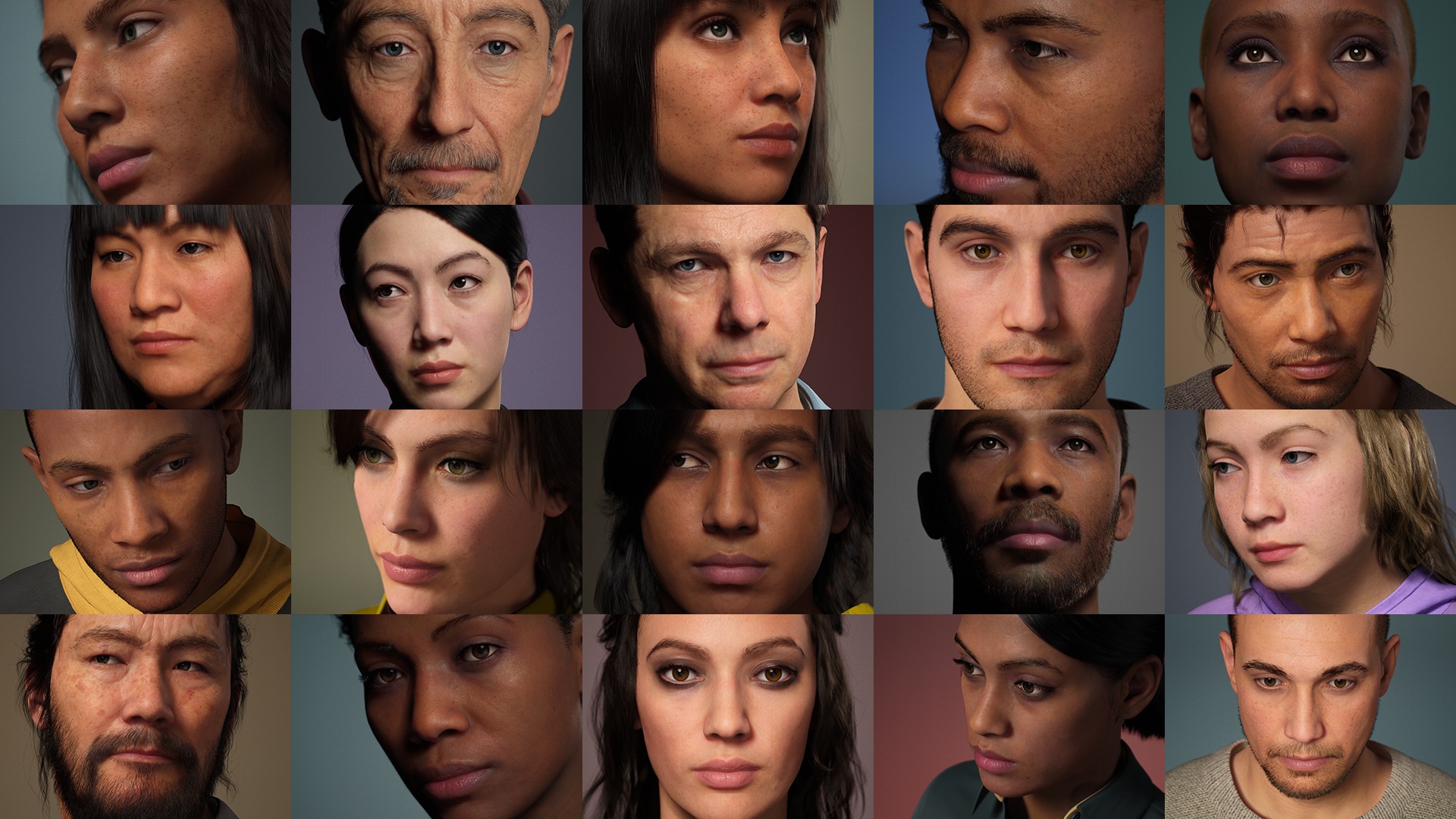
The Metaverse, the new evolutionary phase of the Internet and the Digital Ecosystem, is advancing fast and raises new scenarios and challenges for our Digital Identity. Presence in this new Network of Virtual Worlds is expressed through Avatars, embodied digital identities that increase the amount of data we add to our Digital Footprint. Alongside personal data, posts, opinions and conscious actions, a new set of unconscious metrics appears, generated by the large number of sensors in the devices used to access the Metaverse.
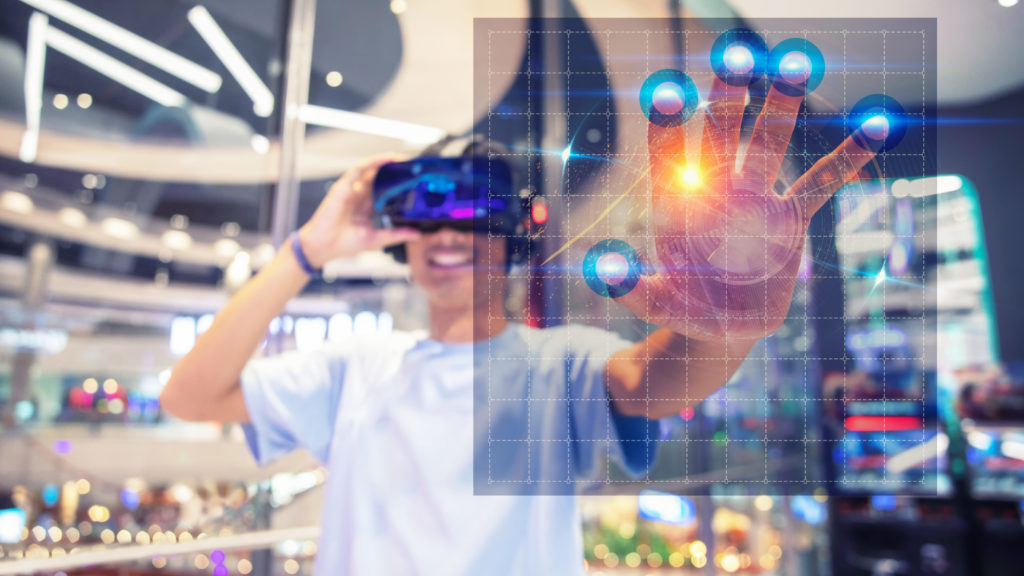
We are talking about Face Tracking, Eye Tracking, Hand Tracking and Body Tracking, which transmit to the new Network everything we gesticulate, everything we look at, the gestures we make with our hands or our bodies. This new information can be analyzed from a psycho-emotional point of view and says a lot about what we really are, what we feel, think or even hide, revealing aspects of ourselves that are an important part of our identity and that are hard to control, but that from now on will manifest themselves in our Immersive Digital Identity and will be present in our Metaverse Avatars.
This new immersive digital footprint makes the role of governments in regulation much more difficult. If it is already hard to ensure the integrity of Digital Identity in the current Ecosystem, in the next phase it will be even more complicated, and the law is not advancing at the speed needed to ensure an adequate regulatory framework. The Metaverse is still at a very early stage, where interoperability between different virtual worlds has not yet been established; this paints a very fragmented scenario, with a multitude of avatar identities and different digital footprints, which complicates the personal management of data, the monitoring of privacy and security.
Digital Identity in the Metaverse should be considered almost as a genetic code that extends and complements our Biological Identity, especially when we consider the concept of the Mirror Metaverse, a massive virtual world superimposed on our real world, the hybridization of physical and digital reality, a new concept known as Phygital. We may ask whether we are really prepared to live and move not only among different worlds with a multitude of Avatar Digital Identities, but also in a hybrid world that blurs the boundary between what is Real and what is Artificial and that can create enormous confusion.

Perhaps now, while we are defining what the Metaverse will be, is when we must make the greatest effort to ensure the proper creation of a Fundamental Right to Digital Identity, one that lets us move freely through the future Immersive Digital Ecosystem without fear of being easily impersonated, and that ensures interoperability between different worlds and the authenticity of the experience. The Metaverse will undoubtedly enrich digital relationships, allowing people to collaborate and coordinate more easily, but it will be a gradual process, and the form it will end up taking is very hard to predict.
The concept of the self and Digital Identity blur our idea of who we really are and what it means to be ourselves in Artificial Worlds. If we do not have absolute control over what is happening with our information and data, above all what we share unconsciously through the tracking of multiple sensors, our Freedom will be undermined. We will need to adopt a stance of cautious Techno-Optimism: although the benefits our digital civilization brings are enormous and very positive, there is still a lot of work to do to create a safe environment with wide adoption. The involvement of governments will be essential to regulate and consolidate this environment, not just to control it, although for now the pace is very slow and insufficient. The future that is coming is uncertain but full of hope.
.
Originally published in Spanish on IANética (2022). English version prepared for TecnoHumanismo.
Related articles

The Right to Uniqueness for the Best Possible Future
Uniqueness, the quality of being unique and unrepeatable, is at stake from human cloning to digital identity impersonation. Why we must protect it.
Read article →6 min
The Right to Digital Legacy
The right to digital legacy means people can decide what happens to their digital content after death: social media accounts, emails, photos and more.
Read article →4 min

The Right to Digital Property
Do our concepts of digital and intellectual property still make sense, or have new forms of information, communication and expression changed them?
Read article →5 min