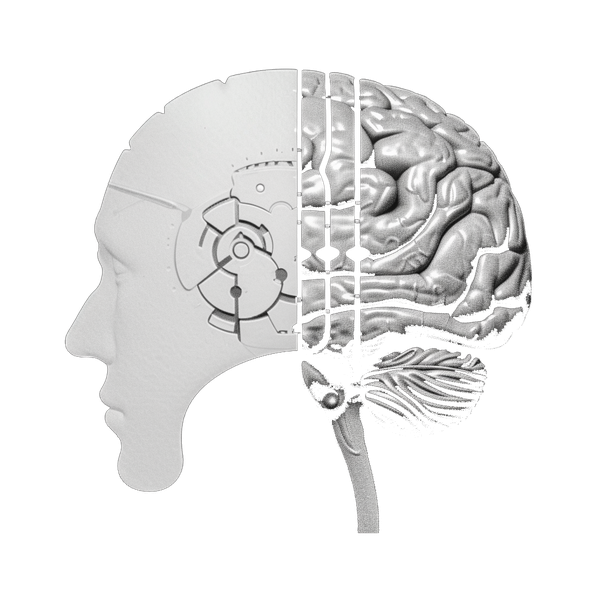

On the threshold of an era dominated by advanced robotics and humanoids, an essential discussion on ethics in this field is emerging. The integration of artificial intelligence into robotics presents a complex picture, in which ethical principles must be carefully considered and applied. Humanity faces the challenge of balancing technological advances with moral considerations, ensuring that these developments serve to improve, and not to harm, human well-being and dignity.
The discussion about ethics in advanced robotics and humanoids is broad and multifaceted, covering a variety of critical topics. One of the most relevant aspects is the protection of humans against possible harm caused by robots. This means ensuring that robots are not only safe in their daily operation, but also designed to prevent accidental or intentional harm. The challenges here include creating robust safety protocols and implementing control systems that can intervene effectively in situations of risk.
Another crucial topic is how robots affect privacy and personal autonomy. In a world where robots are increasingly integrated into daily life, there is a concern that they could be used to improperly monitor people, collecting and sharing data without consent. This raises significant questions about privacy rights and how they can be protected in an increasingly automated environment.
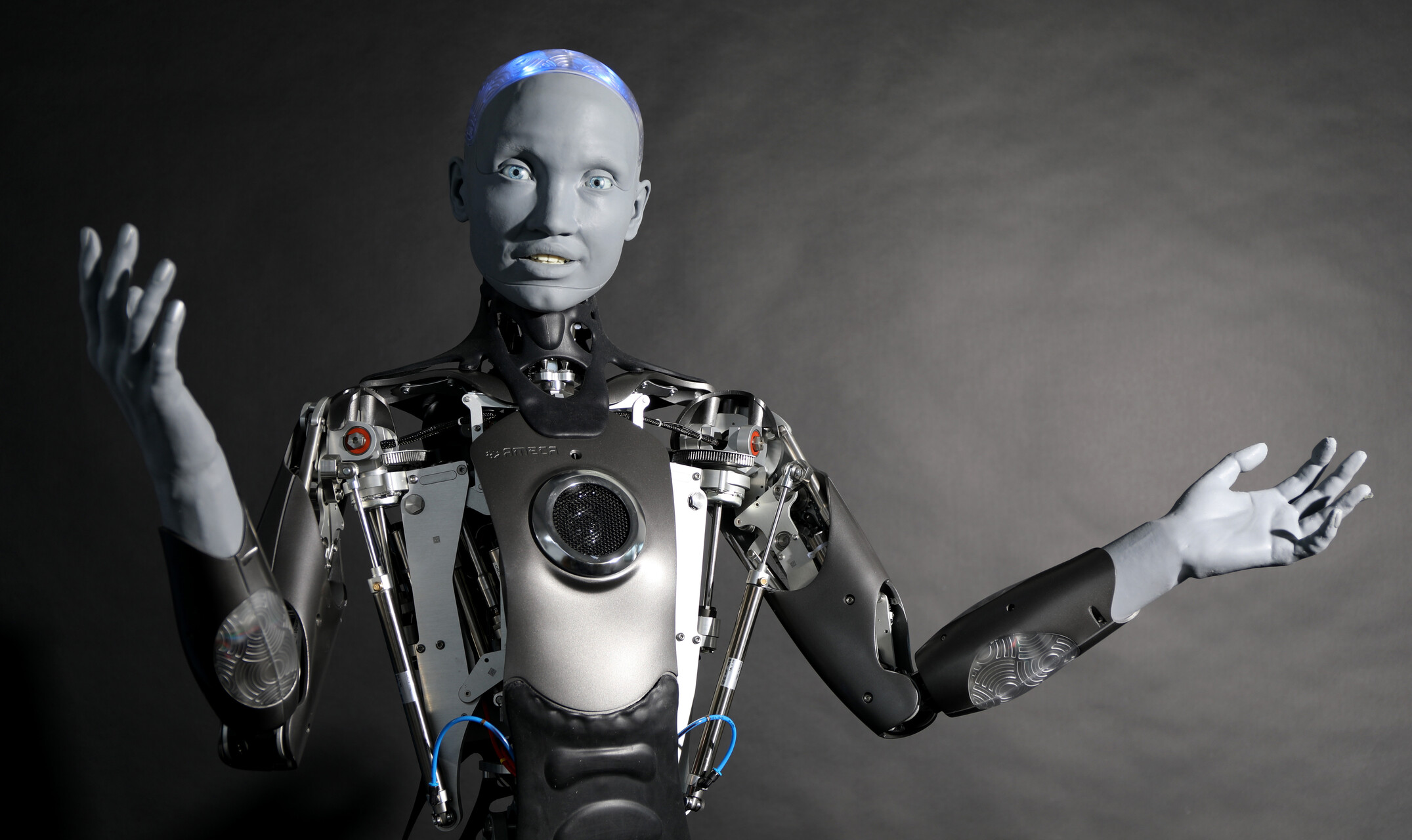
AMECA. Humanoid robot with an OpenAI GPT-4 brain that already works at the GREAT LED SPHERE in Las Vegas giving guided tours.
In addition, personal autonomy is challenged when robots make decisions that directly affect individuals. For example, in the context of medical care, robots could make decisions about treatments or care without adequate human intervention. This raises questions about consent and control, and about how to ensure that the decisions made by robots respect people’s autonomy and preferences.
These topics are only part of a broader debate that also includes issues such as responsibility for robots’ actions, the ethical challenges related to job displacement caused by automation, and how prejudice and discrimination can be built into the artificial intelligence systems that power these robots. This debate is crucial to ensure that advances in robotics are made in a way that respects human rights and promotes a fairer and more equitable society.
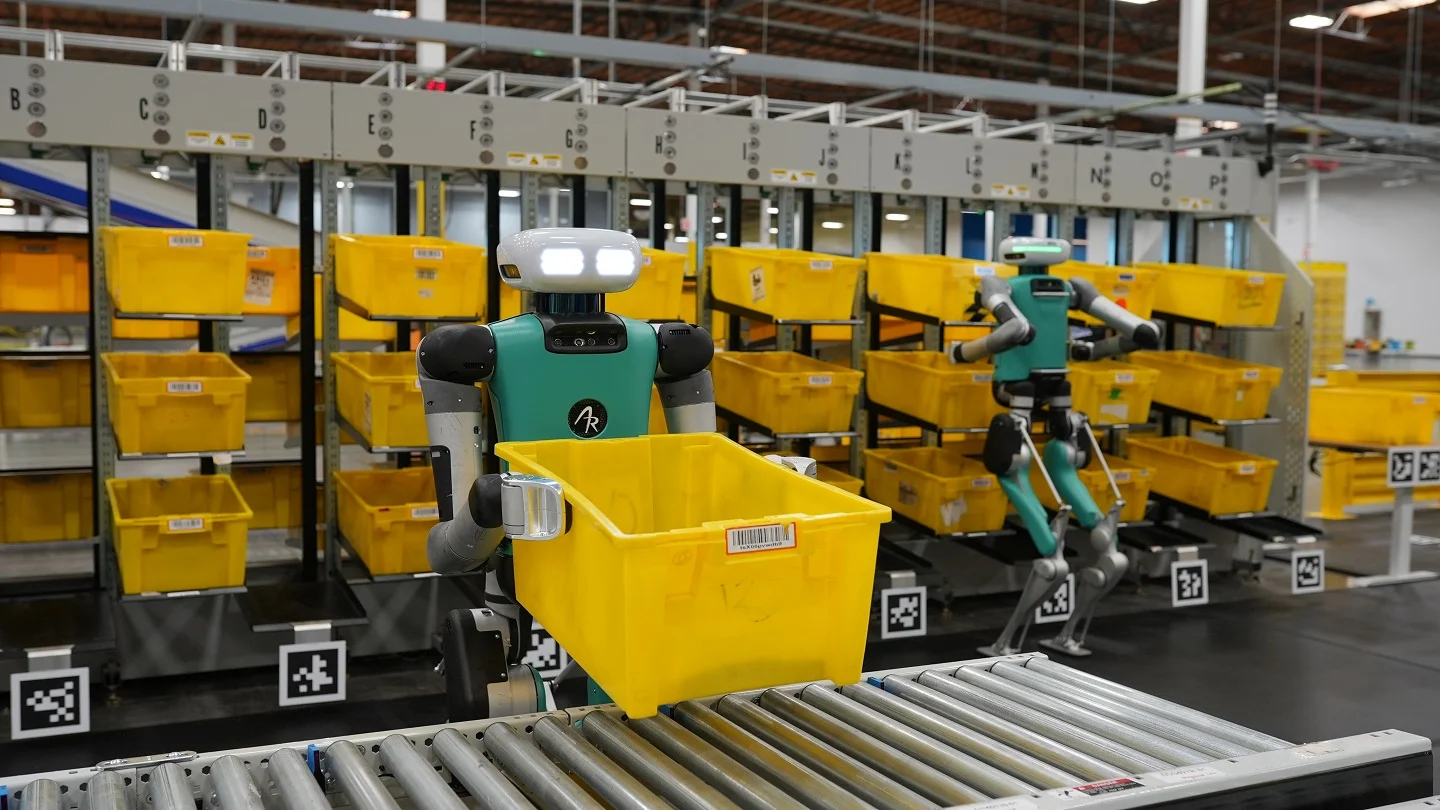
Amazon is testing a new humanoid robot for work in its warehouses in the United States. The unions did not like the announcement at all.
[arve url=»https://www.youtube.com/watch?v=pET0OWSW4xY» /]
Fundamental Ethical Principles in Robotics
The first pillar of the ethics of advanced robotics rests on fundamental ethical principles, which are essential at the intersection of technology and human morality. These fundamental principles include human safety and well-being, focusing on the protection of privacy and the prevention of malicious uses of robots. These concepts are vital in a world where robotics is increasingly integrated into our everyday lives. The programming of robots must be aligned with these ethical principles, ensuring that they respect prevailing social and legal norms. Moreover, the importance of privacy in the information age cannot be underestimated, especially when it comes to the handling of personal data by intelligent machines. Responsibility and transparency in the use of artificial intelligence in robotics are fundamental to maintaining public trust and preventing the misuse of technology.
On the other hand, robotics must treat human dignity as a central element in its design and operation. This means that interactions between humans and robots must be respectful and safe, safeguarding people’s physical and emotional integrity. In this context, ethics in robotics is concerned not only with the programming and behavior of robots, but also with how they impact society and people’s lives. Constant oversight and an adaptive regulatory framework are indispensable to manage the ethical challenges arising from rapid technological development. This framework must be flexible and able to evolve alongside advances in technology, ensuring that human rights and ethical values remain at the forefront of innovation in robotics.
[arve url=»https://www.youtube.com/watch?v=cpraXaw7dyc» loop=»no» muted=»no» /]
Human-Robot Interaction and Its Ethical Challenges
The interaction between humans and humanoid robots brings unique ethical challenges. Robots, especially those designed to imitate human behavior, must be able to recognize and respect human emotions. This approach addresses the social and ethical dilemmas that arise from the integration of humanoid robots into society, such as the impact on employment, privacy and personal autonomy. It is crucial to consider how these robots will affect existing social structures and what measures must be taken to guarantee a harmonious and ethically responsible coexistence.
Robot Autonomy and Questions of Responsibility
With the advance of robotics and artificial intelligence, robots are acquiring ever greater autonomy, which raises important ethical and responsibility questions. As robots become capable of making decisions on their own, the question arises of who is responsible for those decisions and their consequences. This issue concerns not only the legal and moral responsibility of the creators, designers and users of these systems, but also the very nature of autonomous decision-making by machines. In the field of robotics ethics, there is intense debate about how and to what extent responsibility can be attributed to robots for their actions, especially in situations where their decisions have significant impacts.
On the other hand, human supervision and control over the critical decisions made by robots is a crucial aspect of ensuring that they act ethically and in line with human values. Even if robots can make autonomous decisions, it is essential to maintain a level of human oversight, especially in contexts where decisions can have serious consequences. This implies developing regulatory and ethical frameworks that ensure robots are not only autonomous, but also safe, transparent and accountable. Collaboration among engineers, ethicists and legislators is essential to create systems that can make autonomous decisions in a way that is ethical and aligned with human moral principles.
[arve url=»https://www.youtube.com/watch?v=-e1_QhJ1EhQ» loop=»no» muted=»no» /]
Legislation and Regulations in Robotics
The need to develop specific legislation and regulations for advanced robotics and humanoids is an increasingly relevant topic in the era of emerging technology. Current legislation, often drafted in a context predating the digital age, does not adequately address the complexities and unique challenges posed by advances in robotics and artificial intelligence. Therefore, it becomes imperative for these laws to evolve to take into account the specific ethical issues that arise from the integration of humanoid robots into society. This includes the protection of privacy, safety, responsibility in the event of damage or errors, and the guarantee that these systems are used in a way that benefits human well-being and respects human rights.
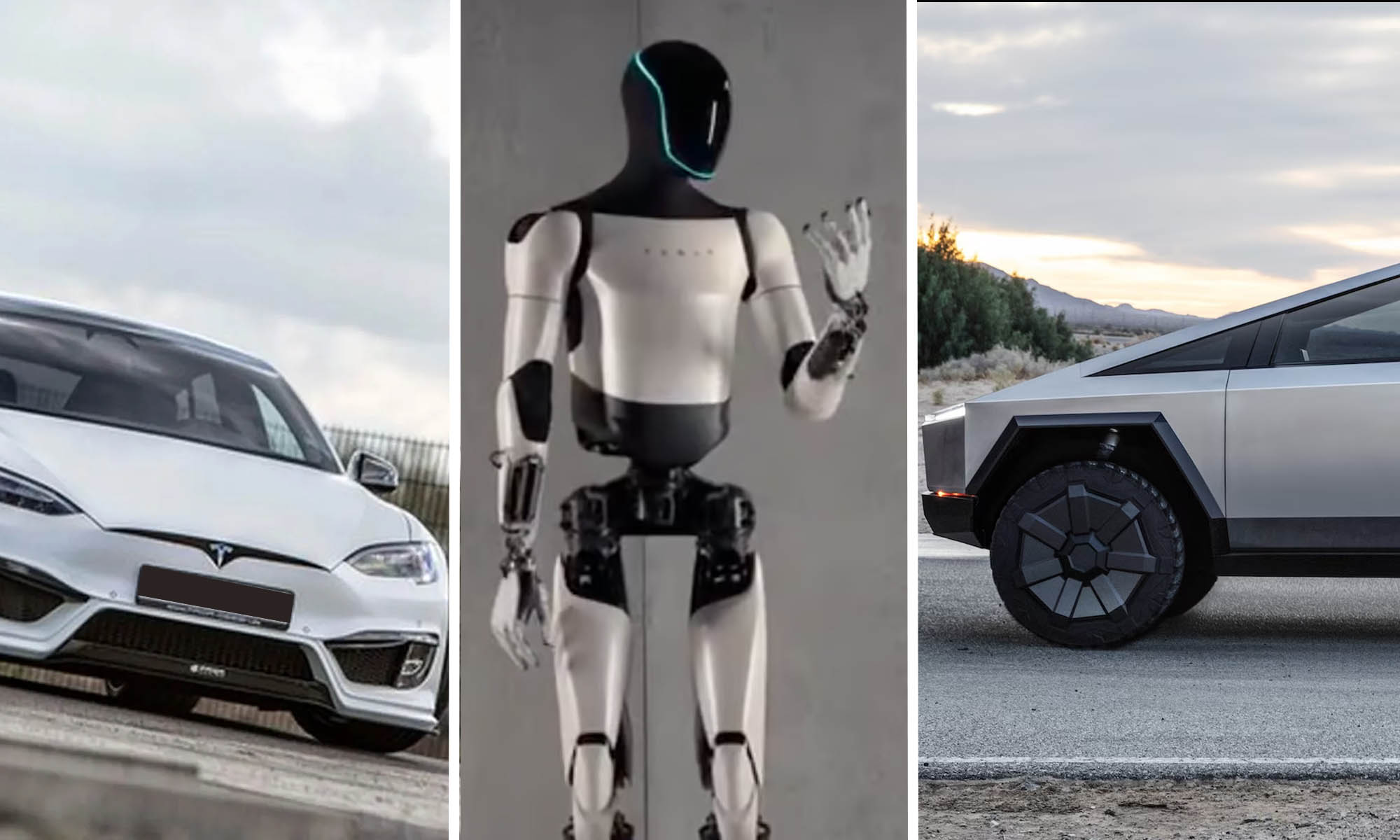
Tesla has unveiled the Optimus Gen 2, a new generation of its humanoid robot. The company’s goal is for it to be able to replace human labor in the future.
To achieve an adequate legal framework, it is vital that legislators work closely with experts in technology, ethics and other relevant fields. This multidisciplinary collaboration makes it possible to ensure that regulations reflect a deep understanding of the technologies involved, while aligning with ethical values and moral principles. The creation of these regulations should guide not only the research and development of humanoid robots, but also their implementation and use in various sectors of society. In doing so, it can be guaranteed that advanced robotics is developed and used in a way that promotes progress and innovation, while protecting and improving people’s quality of life.
Ethics in advanced robotics and humanoids is a dynamic field that requires a multidisciplinary approach and continuous adaptation. The collaboration among engineers, philosophers, legislators and society is essential to ensure that the development and integration of humanoid robots takes place in a way that benefits humanity, respecting fundamental ethical principles and protecting human rights.
Originally published in Spanish on IANética (2023). English version prepared for TecnoHumanismo.
Related articles
2023, the Big Year of Generative Artificial Intelligence
2023 marked a milestone for generative AI: OpenAI led the advances, while ethical, legal and social questions became impossible to ignore.
Read article →3 min
AECTA Congress. Interview with Pedro Mujica
Interview with Pedro Mujica on his opening talk at the AECTA congress on AI and Humanism: technohumanism and the Fifth Industrial Revolution.
Read article →5 min

Technohumanism and Human Empowerment: Foundations of the Fifth Industrial Revolution
At the AECTA Emerging Technologies Congress in Las Naves, Pedro Mujica opened with a talk on technohumanism and the Fifth Industrial Revolution.
Read article →5 min