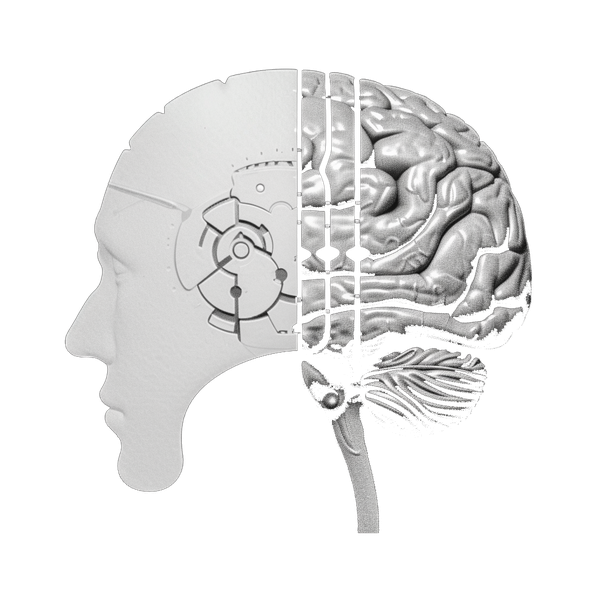

NAVIGATING THE AGE OF GENERATIVE AI: An Introduction to the Changing Landscape of Reality and Fiction. On the threshold of a new era defined by generative artificial intelligence and state-of-the-art language models, we face an emerging phenomenon: Artificialidad Indistinguible (Indistinguishable Artificiality). A term coined by Pedro Mujica to illustrate the human inability to tell reality apart from artificial content generated by AI.
This reality confronts us with a world where the lines between the authentic and the artificial are increasingly blurred. From convincingly human texts to images and videos generated by AI, the ability to create digital content that accurately imitates reality is astonishing. This technological advance not only widens the horizons of creativity and innovation, but also raises profound questions about authenticity, truthfulness and trust in the digital age.
Exploring the Impact of AI on Our Perception of Reality
As we move toward a reality where what AI generates becomes ever more indistinguishable from the genuine, we need to reflect on how this technology is reshaping our perception of reality. The proliferation of AI-generated content in the media, art, literature and entertainment takes us into uncharted territory, where discerning the truth becomes an ever greater challenge. We are entering an age in which the ability to tell the real from the artificial is not only a matter of sharpness, but also of technological understanding.
The Rise of AI-Generated Content
Generative AI is revolutionizing the way content is created across many formats. From the production of literary and journalistic texts to the development of visual artworks and music, the capacity of these technologies to imitate, and sometimes surpass, human creativity is striking. Yet this progress brings significant ethical questions, especially regarding authorship and originality. How do we value creativity in an era when machines can produce works that challenge our notions of art and literature?
Implications for the Production and Consumption of Content
The proliferation of AI-generated content marks a radical change in how media is produced and consumed. With the ability to generate news, books and art at an unprecedented speed and volume, the questions of information saturation and content integrity arise. This phenomenon not only changes the economics of the creative industry, but also challenges our ability to judge quality and truthfulness, taking us to a point where quantity could eclipse the depth and meaning of human content.
[arve url=»https://www.youtube.com/watch?v=iQ1OPpj8gPA» /]
Ethical and Philosophical Implications
The indistinguishability of artificiality presents profound ethical and philosophical dilemmas. It forces us to ask about the nature of reality and truth in the digital age. What does “real” mean when machines can create experiences indistinguishable from authentic ones? This question goes beyond the mere technological capacity to generate convincing content; it touches the essence of our trust in information and our understanding of the world.
The Challenge of Truthfulness and Trust
In a world flooded with AI-generated content, truthfulness and trust become scarce commodities. The ability to manipulate images, videos and texts poses significant challenges in terms of disinformation and fake news. These developments put at risk not only the integrity of the media and journalism, but also the health of democracies and societies. The need for tools and methods to verify the authenticity of content becomes more critical than ever.
[arve url=»https://www.youtube.com/watch?v=Wt3K0oelung» /]
Political and Legal Implications
The difficulty of distinguishing between the real and the AI-generated has significant political and legal implications. The possibility of creating fake political speeches and campaigns, or of influencing public opinion with fabricated information, is a growing concern. In addition, the regulation of intellectual property and copyright in the age of generative AI is a complex field that requires constant review and adaptation.
The Future of Legislation in the Age of AI
Looking ahead, it is essential to develop a legal framework that can adapt to the challenges that generative AI presents. Laws must be agile enough to keep pace with the speed of technological development, protecting both human creators and content consumers. Legislation must balance innovation and creativity with protection against abuse and manipulation, ensuring that technological evolution does not undermine the fundamental principles of our society.

Visions of the Future: Navigating a World of Mixed Realities
Preparing for an Uncertain Future
Preparing for this future means fostering a critical understanding and an awareness of the power and the limits of generative AI. Education plays a key role in equipping people with the skills they need to navigate this new landscape. It is also essential to promote an ongoing public debate and an ethical reflection on how we want technology to shape our world. Only through a balanced and thoughtful approach can we ensure that technological progress is an ally in building a future where reality and artificiality coexist in harmony, respecting truth, creativity and dignity
Originally published in Spanish on IANética (2023). English version prepared for TecnoHumanismo.
Related articles

Technohumanist Project: Data Control
Based on the “right to data control”, this Las Naves project lets users manage their personal data and newsletter subscriptions in one gamified form.
Read article →2 min
2023, the Big Year of Generative Artificial Intelligence
2023 marked a milestone for generative AI: OpenAI led the advances, while ethical, legal and social questions became impossible to ignore.
Read article →3 min
Generative Artificial Intelligence from the Technohumanist Approach
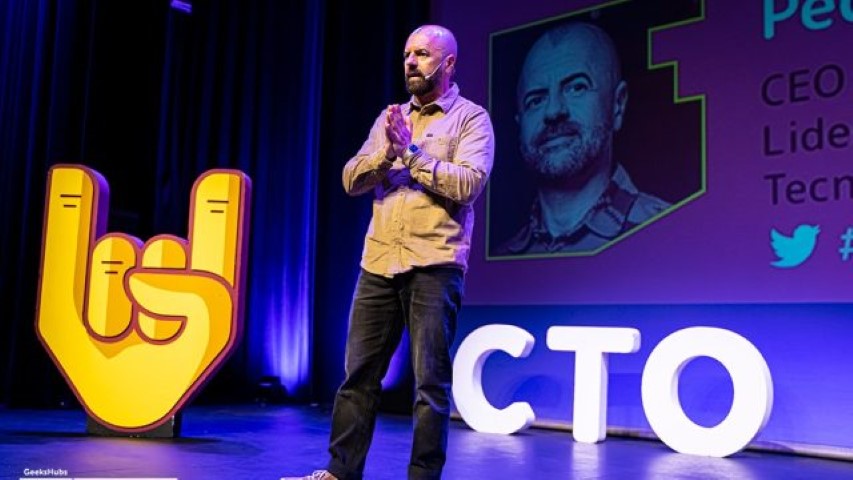
Pedro Mujica spoke at CTO SUMMIT 2023 in Valencia on generative AI from the technohumanist approach and the new educational challenges.
Read article →3 min