
The right to digital inclusion is a human right arising from the new technological environment that the Internet has created. It can be derived from other concepts such as the right of access to information of relevance to Humanity, the right of access to public and private technical means of communication, and the right to Technology. The advances in information and communication must be enjoyed by all human beings, and it can be argued that today digital exclusion is equivalent to social exclusion.
Alongside digital inclusion, which is an emerging aspect of the new technologies of the 21st century, there are other obstacles that must be addressed, such as the serious problem of the digital divide, information poverty, censorship, the political use of technologies, disinformation, the manipulation of the media and the destruction of public information, especially in contexts of war, social change, social justice, and global market fundamentalism. For these barriers to be overcome, the deployment of a digital ecosystem along with suitable platforms are prerequisites that can be expected; however, the true pillars of human-centered digital societies, techno-anthropocentric ones, are education, ethics and solidarity-based participation, the central foundations of technohumanist thought.
The success of those responsible for digital inclusion will depend on their ability to tackle the many tasks they face, which include technological deployment, cooperation with user communities, the creation of services, good governance, and the development of collaborative and participatory tools. In addition, at a more strategic level, they must rethink those information policies that perpetuate exclusion, whether economic, legal, social or political. This applies above all to the diverse minorities who live and work all over the planet, from the big cities to small rural areas in remote contexts.
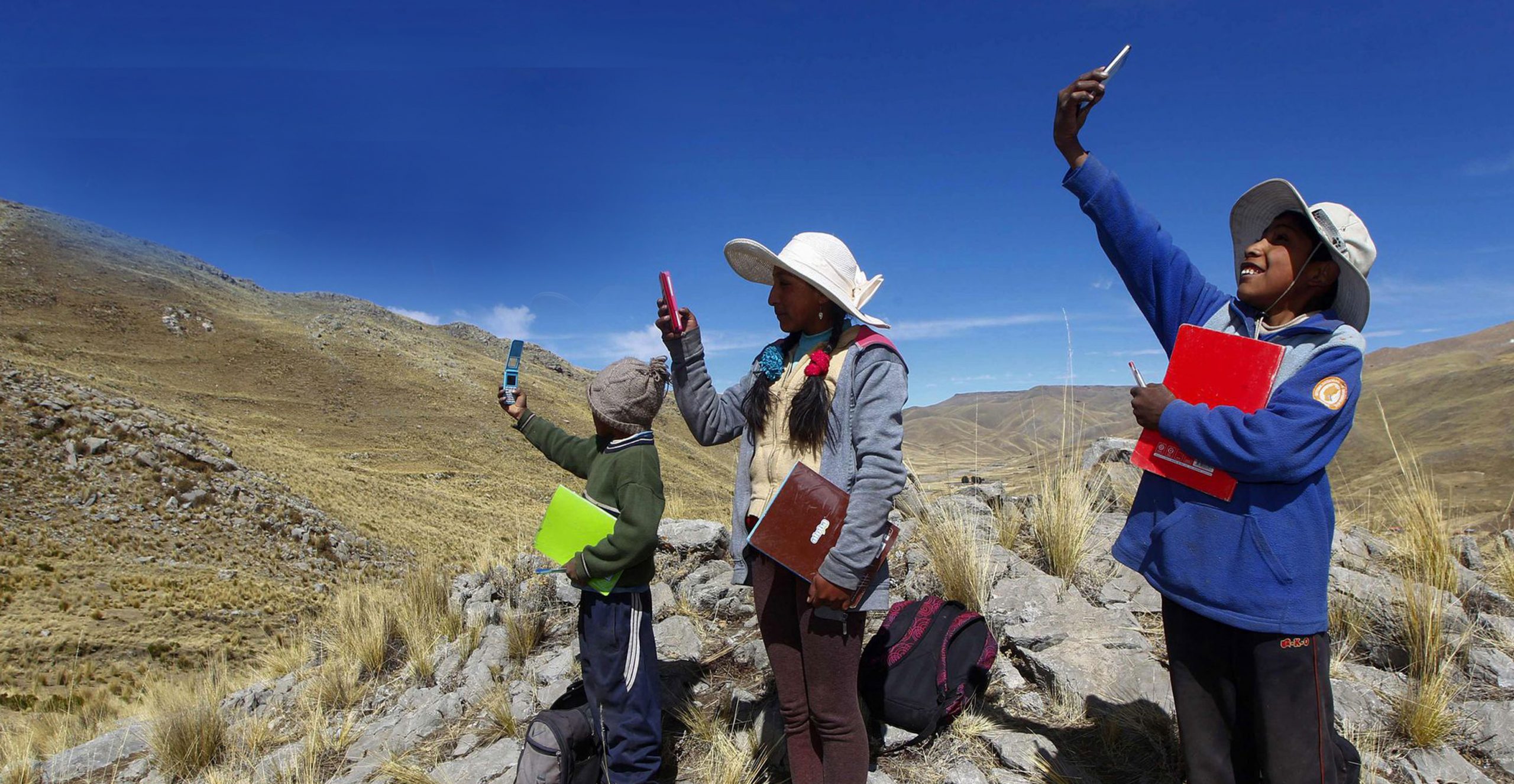
We must promote the creation, development and testing of digital inclusion projects that bring in the people most isolated from the digital society who live and work in circumstances in which they are forgotten, marginalized or displaced by factors such as their sex, gender identity, class, sexual orientation, nationality, ethnic origin, geographic location, language, wealth, physical or mental ability, education, beliefs, political philosophy, economic circumstances, race, and/or religion. The purpose is for these groups to also be integrated into the projects where the public, private and civic sectors work together to design the lines of the information policy to be followed.
Thus, digital inclusion, positioned as a fundamental point of social justice and human rights, can foster new spaces for tolerance and understanding and counter the attempts of individuals and groups who seek to impose values, customs or beliefs in the digital world and who often also affect non-digitalized areas. Digital inclusion initiatives should involve establishing creative and intelligent situations in isolated environments that are often characterized by rurality, orality, isolation, an aging population, poverty, and aboriginal and indigenous traditions.
This strategic activism regarding the development of digital technology in non-digitalized communities requires political will and collective action, as well as access to, knowledge of and use of a variety of technologies, infrastructures and applications understood as tools of emancipation and framed as sustainable projects. Therefore, the global community needs to identify possible synergies in the existing digital inclusion networks so that new initiatives can emerge that integrate this fundamental right as one of the most important in the context of human rights and social justice.
Clearly, it will require global democratic collaboration to develop an innovative process on a large scale, open, user-centered and devoted to social development. The potential benefit would be to achieve greater production of social infrastructure based on collaboration and cooperation, as well as on projects and professionals skilled in the use of the new digital technologies, improving communities’ access to the communication, information and means they need to help them thrive.
Digital Inclusion is founded on the premise that the democratization of Information and Communication Technologies (ICT), which provide access to thousands of opportunities for information, work or leisure, is fundamental in today’s society and that their use must be independent of each person’s circumstances.
According to the European Commission, digital inclusion must ensure that all people can contribute to and benefit from the digital economy and society. This means working on several fronts: Access to ICT, guaranteeing infrastructure, affordable prices and also ease of use. Assistive technologies, which give access to people with disabilities who could not otherwise use them. Digital literacy, including ICT training in basic education and in people’s lifelong learning. Social inclusion, focusing on the most disadvantaged sectors of society with specific programs that help them join the digital world.
The most vulnerable sectors of society are those who suffer most from the digital divide. Although there are variations between countries, it tends to affect women, older people, racial and ethnic minorities, people with disabilities, rural populations and those of low socioeconomic status to a greater extent. The digital divide is nothing other than the reflection of the social divide in the digital world.
If digital inclusion is in some way part of the social fabric, then those of us interested in the integration of more people into political processes relating to human rights and social justice can use digital inclusion initiatives so that we contribute to the exchange of ideas and information needed for their participation.
In short, defending digital inclusion as one of the emerging human rights of the 21st century requires understanding that it is one of the most important among all human rights, but that it is continually expanding, just as the Digital Ecosystem is, and therefore it needs greater effort and continuous review if we want it to become a reality in the Future that is coming.
Originally published in Spanish on IANética (2022). English version prepared for TecnoHumanismo.
Related articles

The Right to Digital Legacy
The right to digital legacy means people can decide what happens to their digital content after death: social media accounts, emails, photos and more.
Read article →4 min

The Right to Education in the New Digital Era
The right to education, a fundamental right enshrined in the Charter of Human Rights and the Spanish Constitution, also extends to the digital sphere.
Read article →6 min
Exploring the Future of Cognitive Computing and Its Social Implications
The future of cognitive computing is a new frontier where AI meets human thinking and learning, redefining how we learn, decide and create.
Read article →4 min