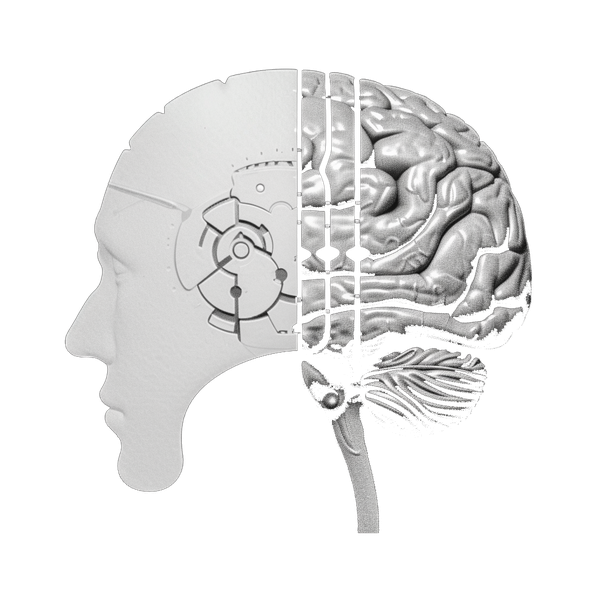

Artificial Intelligence has revolutionised numerous aspects of our lives, from how we work to how we entertain ourselves. However, alongside its advances, important ethical and social questions arise. This article delves into the delicate balance between fostering innovation in AI and maintaining a responsible approach towards society.
Artificial Intelligence (AI) has become a key driver of innovation and change in practically every sector of society. From optimising business processes to developing new forms of entertainment, AI is redefining the limits of the possible. In the workplace, AI-driven automation is transforming industries, making operations more efficient and opening new opportunities for data analysis and informed decision-making. In the entertainment sector, AI has generated new experiences, such as video games that adapt to the user’s style of play and streaming platforms that recommend content based on previous preferences. These innovations not only improve the user experience, but also open paths to more advanced creative and technical exploration.
However, with these advances also come significant challenges related to ethics and social responsibility. The growing integration of AI into our daily lives raises questions about data privacy and the use of personal information. Companies that develop and use AI-based technologies must be aware of their potential impact on society and work within solid ethical frameworks. This includes considering how automated decisions could affect vulnerable groups and ensuring that the benefits of AI are distributed fairly across different sectors of society. In addition, there is concern that automation may lead to job losses in certain industries, which calls for a careful approach to balancing technological progress with social well-being. Ultimately, finding the right balance between promoting innovation in AI and ethical and social responsibility is essential to ensure that this powerful tool is used in a way that benefits society as a whole.
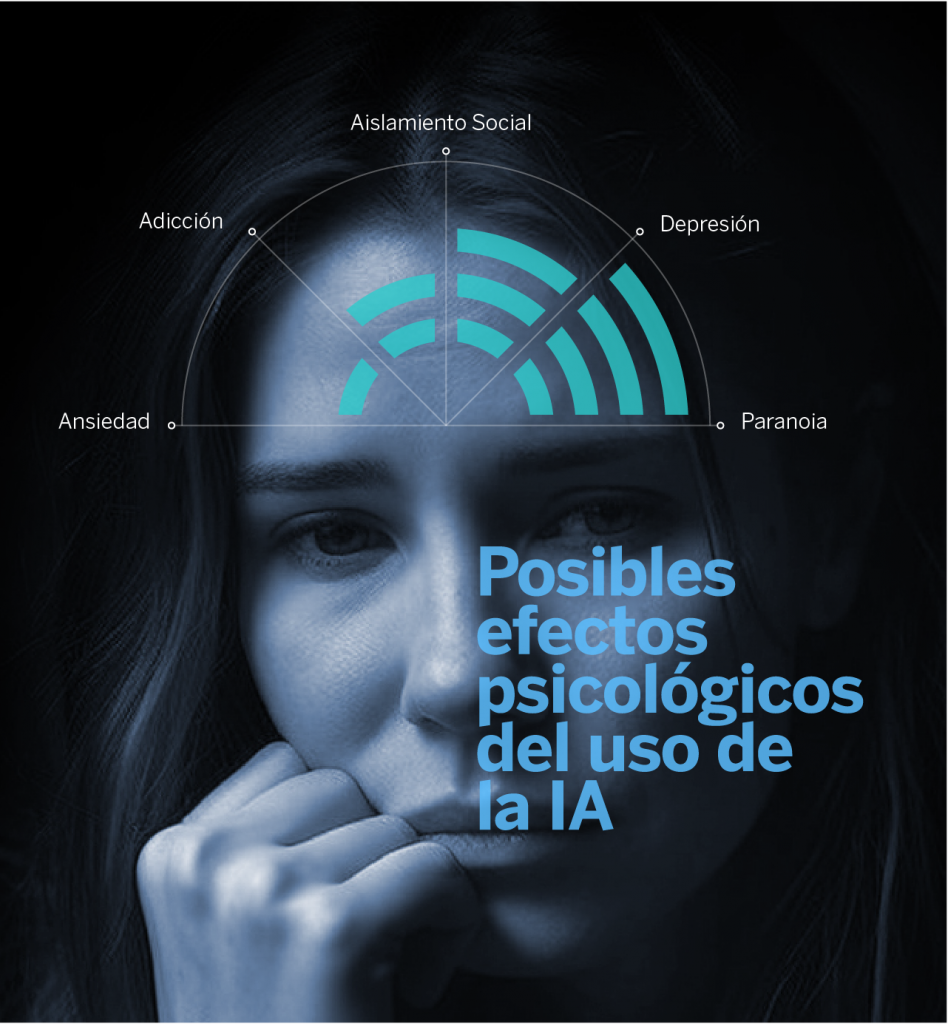
Possible Psychological Effects of Using Artificial Intelligence
Artificial Intelligence, although revolutionary in its functionality and efficiency, raises significant concerns in terms of mental health and psychological well-being. The fear of automation, which intensifies as AI advances, can trigger anxiety and paranoia in individuals worried about the security of their jobs and the invasion of technology into everyday life. Moreover, addiction to technology, exacerbated by AI systems ever more integrated into our surroundings, leads to a social isolation that can end in episodes of depression. Faced with these challenges, it is crucial to implement effective strategies to mitigate the negative effects. This includes promoting a balanced technology education, encouraging human interaction in the digital age, and implementing mental well-being policies in the workplace. In addition, developing ethical and transparent AI systems that prioritise user privacy and security is essential to ensure a more responsible and less intrusive technology adoption, thus contributing to a healthier and more balanced technological environment.
Innovation in AI: A World of Possibilities
Artificial Intelligence has unleashed an era of unprecedented innovation, redefining the limits of the possible in many fields. In the business world, AI has revolutionised the way companies operate, bringing significant improvements in efficiency and decision-making. Thanks to automation and predictive analytics, organisations can anticipate market trends, optimise their operations and open themselves to new growth opportunities. These technologies not only boost productivity, but also allow a smarter and more strategic approach to business challenges.
In medicine, AI is playing a crucial role, transforming healthcare in ways that once seemed unimaginable. AI systems are trained to analyse large volumes of medical data, which makes it possible to diagnose diseases with greater precision and speed than conventional methods. This capacity for deep analysis opens the door to personalised and more effective treatments, significantly improving patients’ quality of life. AI is also contributing to the development of new therapies and drugs, speeding up research and offering hope in the fight against complex diseases. In short, AI is not only improving the way we live and work, but also widening the horizons of what we can achieve as a society.

Social Implications of Artificial Intelligence
The implementation of Artificial Intelligence carries important social responsibilities. Protecting data privacy and IT security have become fundamental concerns in this digital age. It is essential that both companies and AI developers operate within robust ethical frameworks to safeguard users’ personal and sensitive information. It is also crucial that the use of AI promote social inclusion and not aggravate existing inequalities, thus fostering a more equitable technological environment.
The key to a successful implementation of AI lies in finding a balance between technological innovation and social responsibility. This implies a thoughtful and conscious approach to developing AI solutions, carefully considering their long-term impact on society. Companies must commit to using AI in a way that benefits society as a whole, without compromising individual rights or people’s safety.
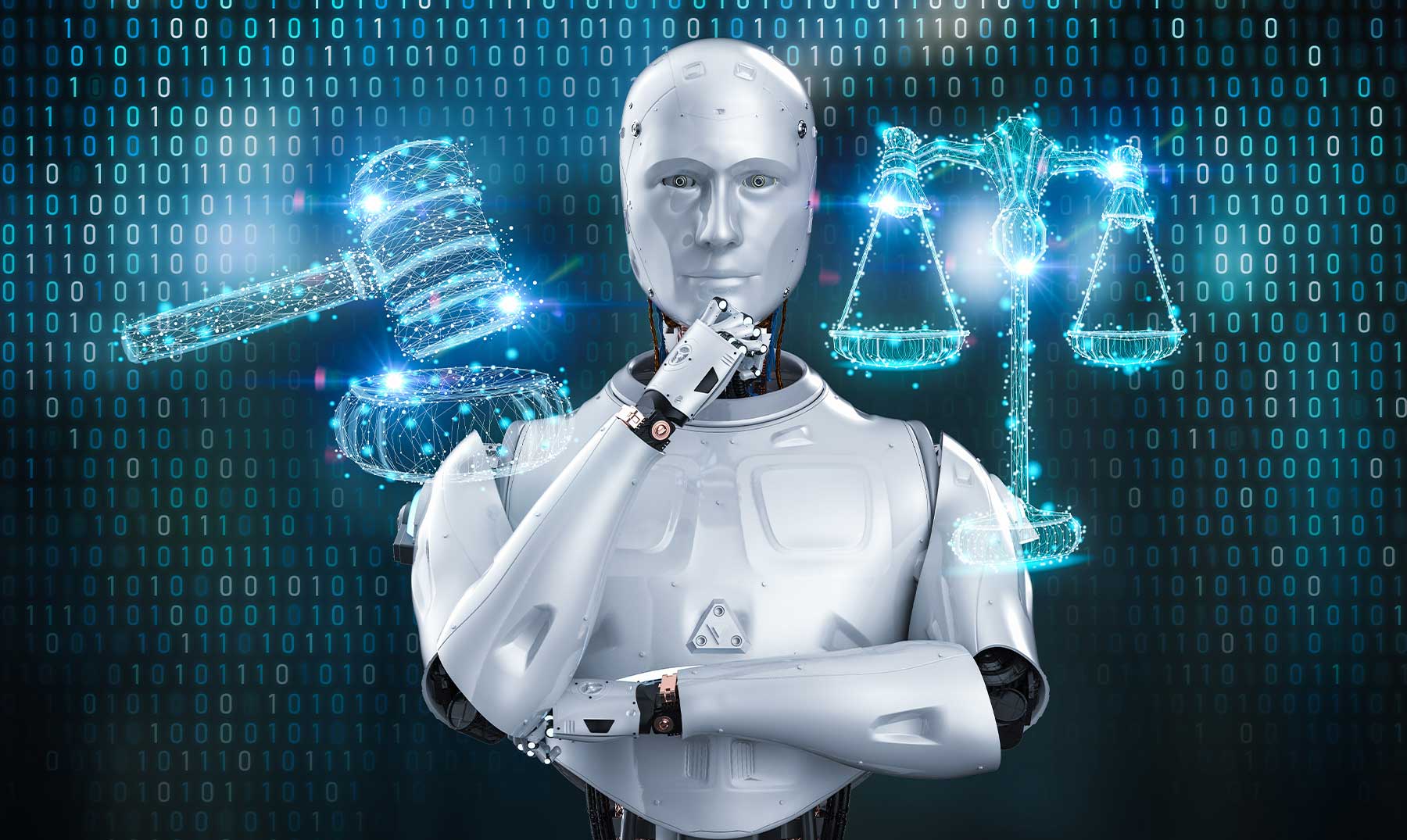
Towards a Responsible and Sustainable AI
This balance is vital to ensure that AI serves the common good while contributing to technological and economic progress. With a balanced approach, AI has the potential not only to transform industries but also to significantly improve quality of life globally. This requires a constant commitment to ethics and social responsibility, ensuring that technology is aligned with human values and the principles of social justice.
As AI continues to advance, new ethical challenges arise that must be addressed proactively. Questions about automated decision-making, algorithmic bias and the implications of AI for employment and society require continuous scrutiny and debate. Policies and regulations will have to evolve to keep pace with these technological advances, ensuring that the benefits of AI are distributed fairly and equitably.
Finally, the path towards a responsible and sustainable AI requires ongoing collaboration among technology developers, lawmakers, businesses and civil society. By working together, we can ensure that AI is developed in a way that respects human rights, fosters inclusion and contributes to the well-being of all. This is a complex but necessary task in order to secure a future in which technology and humanity coexist in harmony and mutual benefit.
Originally published in Spanish on IANética (2023). English version prepared for TecnoHumanismo.
Related articles

Exploring the Future of Cognitive Computing and Its Social Implications
The future of cognitive computing is a new frontier where AI meets human thinking and learning, redefining how we learn, decide and create.
Read article →4 min

Exploring the Fusion of Immersive Realities and AI
Fusing immersive realities like VR and AR with AI is an evolutionary leap in how we interact with technology and transforms industries.
Read article →5 min

Animayo Festival. Ethical and Moral Questions About the Metaverse and Artificial Intelligence.
Round tables at the 17th ANIMAYO Festival in Gran Canaria on the ethical and moral questions raised by the metaverse and artificial intelligence.
Read article →5 min