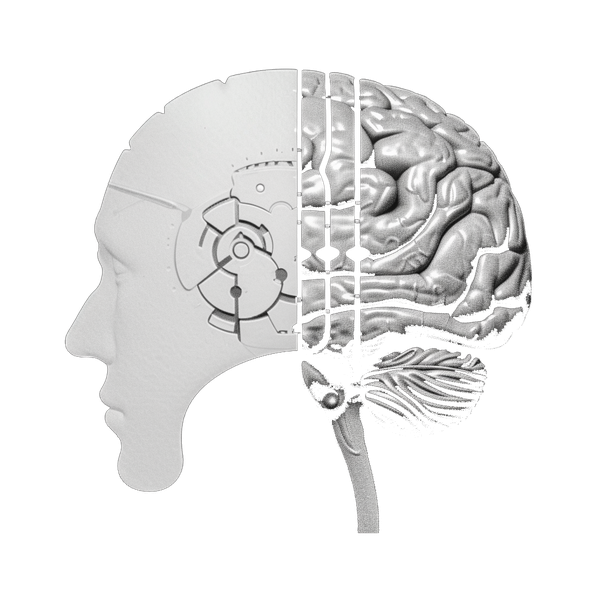

TECHNOHUMANIST MANIFESTO 2025
“For Technology at the Service of Human Beings”
PREAMBLE
Humanity is facing an unprecedented transformation driven by the convergence of Disruptive Emerging Technologies in the Fourth Industrial Revolution. Artificial Intelligence (AI), Quantum Computing, Bioengineering, the Internet of Everything and Extended Reality are redefining our societies, our economies and the very nature of the human being.
This manifesto is proclaimed in defense of a Technohumanism that ensures technological progress is guided by ethical principles and humanist values. Technology must be a means to human well-being and not an end in itself.
FUNDAMENTAL PRINCIPLES
Protection Against Dehumanization: Biotechnological hybridization and AI must be regulated to prevent the loss of what is essentially human.
Technological Humanism: Technology must be a tool for improving the human condition, guaranteeing dignity, autonomy and fundamental rights.
Education and Awareness: It is imperative to foster digital knowledge, technological ethics and critical thinking in every generation.
Digital Sovereignty: Individuals must have control over their digital identity, personal data and privacy in a hyperconnected world.
Ethical Innovation: Technological development must be aligned with universal human values, avoiding inequality, exclusion or exploitation.
Algorithmic Democracy and Transparency: Digital governance must be open, participatory and equitable, guaranteeing the transparency of AI systems and of algorithmic decision-making.
Sustainability and Responsibility: Technology must contribute to preserving the environment and the well-being of future generations.
FUNDAMENTAL RIGHTS IN THE DIGITAL AGE
Right to Digital Cessation: The right to disappear from the network and to avoid a forced immortality in digital systems.
Right to Human Supremacy: Technology must serve humans and not replace them.
Right to Technology: Universal and equitable access to innovation.
Right to Privacy: Protection against surveillance and the misuse of personal data.
Right to Disconnection: Freedom to decide on the integration of implants and sensors.
Right to Digital Oblivion: Deletion of the digital footprint on request.
Right to Cybersecurity: Protection against digital threats.
Right to Data Control: Individual ownership of personal information.
Right to Digital Education: Universal training in technological skills.
Right to Truth: Access to truthful information free of manipulation.
Right to Digital Inclusion: Equitable participation in the digital society.
Right to Digital Property: Recognition of digital assets.
Right to Digital Legacy: Regulation of postmortem identity in digital environments.
Right to Digital Identity: Protection against digital impersonation.
Right to Uniqueness: Prohibition of bio-cloning and of copies of consciousness without consent.
Right to the Integrity of the Being: Regulation of neuroimplants and cyborgization.
DECALOGUE OF THE TECHNOHUMANIST MANIFESTO
- Technology at the service of human beings
All technology must be developed and applied with the aim of improving people’s quality of life, dignity and well-being, placing the human being at the center of its purpose. - Preservation of human supremacy
Human beings must have control over machines and intelligent systems, ensuring that they never lose their ethical, moral and operational primacy over advanced technologies. - Respect for individual autonomy
The use of technology must not restrict people’s freedom of decision, thought and action. Privacy and the right to digital self-determination are fundamental principles. - Transparency and comprehensibility
Technological systems must be transparent and understandable to users. Everyone has the right to understand how the artificial intelligence that affects them works and makes its decisions. - Social and ethical responsibility
Developers, designers and those responsible for technology must act with ethical responsibility, ensuring that their creations do not cause harm or inequality in society. - Accessibility and democratization
Technology must be inclusive and accessible to everyone, regardless of economic, educational or social level. It must help close the digital divide and empower marginalized communities. - Human–machine collaboration
Coexistence with machines must be oriented toward collaboration, in which human capabilities are enhanced and complemented by the capabilities of artificial intelligence. - Protection of the natural and human environment
Technology must not be developed to the detriment of the environment or of human communities. Sustainability and respect for biodiversity are non-negotiable principles. - Education and continuous development
Technology adoption must be accompanied by education and continuous development programs for everyone, promoting a deep understanding of the tools and their implications. - Design for a human-centered future
Every new technology must be designed with its long-term impact on humanity in mind, and with its contribution to creating a future in which the human, in all its dimensions, is protected and enhanced.
PROMOTING TECHNOHUMANISM
Technohumanism is not just an idea but a movement that demands immediate action. We urge governments, technology companies, educational institutions and civil society to:
- Implement policies and regulations that guarantee the ethical use of technology.
- Promote education in digital ethics and technological skills.
- Create spaces for debate and inclusive governance on the technological future.
- Develop global standards of transparency and fairness in the use of AI and Big Data.
This manifesto is proclaimed as a commitment to a future in which technology serves human beings and not the other way around. The Fourth Industrial Revolution must be not only a revolution of machines but a revolution of values and conscience.
For Technology at the Service of Human Beings.
