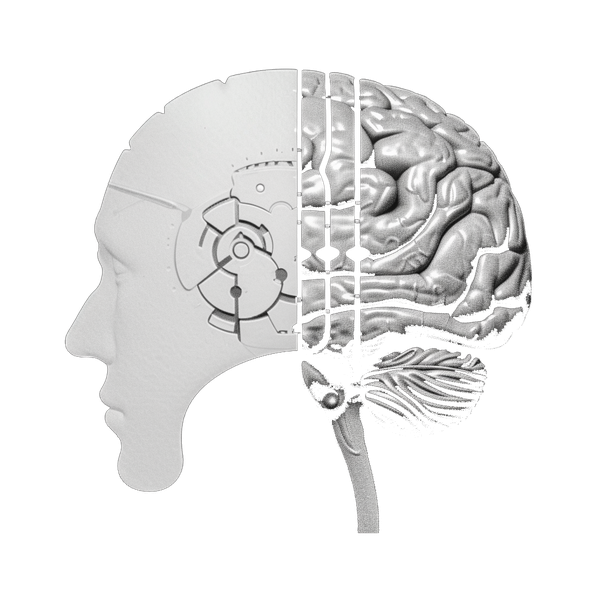

The future of cognitive computing represents a new frontier at the intersection of artificial intelligence and the human processes of thinking and learning. This emerging area promises not only to transform human-machine interactions, but also to redefine our understanding of learning, decision-making and creativity.
The current landscape of cognitive computing is at an exciting turning point, marked by significant advances and transformative potential. This emerging area of technology, which seeks to emulate the thinking and learning processes of the human brain, is rapidly reshaping various industries and aspects of our daily lives. From the development of virtual assistants able to understand and process natural language to advanced diagnostic systems in the field of medicine, cognitive computing is opening new frontiers in the personalization and efficiency of services.
In education, it promises to revolutionize adaptive learning, offering personalized experiences that respond to each student’s style and pace. Furthermore, its integration into the business world is optimizing decision-making and the management of large volumes of data. However, this rapid progress also poses significant ethical and social challenges, such as data privacy, cybersecurity and the digital divide. The future of cognitive computing will depend on how we address these challenges and balance opportunities with responsibility, ensuring that its benefits are accessible to everyone and respect the fundamental values of our society.

The Transformative Potential of Cognitive Computing
Cognitive computing, by emulating the complexity and versatility of the human brain, is transforming multiple sectors with its innovative applications. In health care, this technology is revolutionizing the way we approach the diagnosis and treatment of diseases. By analyzing large sets of medical data and accurately interpreting symptoms, cognitive computing facilitates faster and more accurate diagnoses, which in turn lead to more effective and personalized treatments. In addition, its ability to learn and adapt continuously allows more efficient monitoring of patients’ health conditions, which markedly improves the quality of medical care.
On the other hand, cognitive systems are playing a crucial role in the transformation of the education sector, providing more interactive and personalized learning experiences. These systems can adapt the content and pace of teaching to the individual skills and needs of students, resulting in a more effective and engaging learning process. The ability of cognitive computing to provide instant feedback and adjust teaching methods in real time is opening up new possibilities for distance learning and self-learning, thus democratizing access to high-quality education for a wider audience.

Social and Ethical Implications
Cognitive computing, with its ability to process and analyze large volumes of data at unprecedented speed and accuracy, raises significant concerns about data privacy and security. As massive amounts of personal and confidential information accumulate, the critical question arises of how this data is protected against unauthorized access and misuse. Moreover, automated decision-making, especially in critical sectors such as justice and health, raises deep ethical dilemmas. To what extent should we allow machines to make decisions that affect human lives? How can we ensure that these decisions are fair and unbiased? These questions underscore the need to establish solid ethical and legal frameworks governing the use of cognitive computing.
On the other hand, the digital divide is a considerable challenge in the era of cognitive computing. Although these technologies offer transformative potential, there is a risk that they will be accessible only to those in more developed regions or with greater purchasing power. This could aggravate existing inequalities, depriving less privileged communities of the benefits of technological innovation. It is therefore crucial to develop strategies that promote digital inclusion and ensure that advances in cognitive computing are equitably distributed and accessible to all, regardless of their geographic location or economic situation.
Finally, cognitive computing is redefining the labor landscape. On the one hand, the automation driven by these technologies can lead to the reduction or transformation of certain types of jobs, raising concerns about the future of work and the need for reskilling. On the other hand, new professional opportunities are also emerging in areas related to AI and cognitive computing. These changes call for a reassessment of job skills and education systems, in order to prepare the current and future workforce for the demands of an increasingly technological world. The responsible and ethical adoption of cognitive computing could lead to a more efficient and connected society, but only if these challenges are properly addressed and inclusive and fair technological development is promoted.

Forging a Responsible Future
Originally published in Spanish on IANética (2023). English version prepared for TecnoHumanismo.
Related articles

Exploring the Fusion of Immersive Realities and AI
Fusing immersive realities like VR and AR with AI is an evolutionary leap in how we interact with technology and transforms industries.
Read article →5 min

OPEN IANética TRAINING: Artificial Intelligence and Extended Reality in Education 4.0
Open training to promote ethics in artificial intelligence and the Internet of Everything. IANética project of Las Naves.
Read article →4 min
Balancing AI Innovation and Social Responsibility
AI has revolutionised our lives, but it raises ethical and social questions. This article explores the balance between AI innovation and responsibility.
Read article →5 min